Analyze University of Debrecen Student Achievement at the International Sports Science Conference
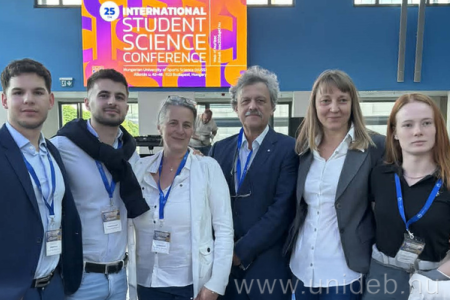
Evaluate the recent success of University of Debrecen scholars at the 25th International Student Science Conference (ISSC) to understand the caliber of sports science research emerging from Hungary. Hosted in Budapest by the Hungarian University of Sports Science, this international conference gathered over a hundred participants from universities around the world. The event serves as a critical platform for undergraduate, master’s, and doctoral students to present their findings in exercise physiology, training theory, sports psychology, and health promotion. Among the strong international field, University of Debrecen students secured top placements, demonstrating the institution’s commitment to applied research and academic rigor. Explore our related articles for further reading on how Eastern European universities are shaping global sports science.
How the University of Debrecen Dominates International Sports Science Competitions
Understand the structural and academic frameworks that allow University of Debrecen students to consistently excel on a global stage. Student achievement at this level does not happen by chance; it requires a supportive institutional environment, dedicated faculty supervision, and a curriculum that emphasizes empirical research. The recent ISSC event highlights how the University of Debrecen integrates these elements effectively across multiple faculties.
Understanding the 25th International Student Science Conference (ISSC)
Recognize the significance of the ISSC in the academic landscape. Held every two years—specifically during the years alternating with the Hungarian National Student Science Conference (OTDK)—the ISSC provides a rigorous testing ground for emerging researchers. The three-day event in Budapest featured thematic sessions where students defended their methodologies, data, and conclusions before an international panel of experts. For a university to place multiple students in the top three of their respective categories indicates a systemic strength in research development rather than isolated individual brilliance.
The Scope of Sports Science Research Presented in Hungary
p>Review the diverse range of topics discussed at the conference to grasp the current state of sports science. The presentations moved far beyond basic physical training, delving into complex intersections between technology, sociology, and human physiology. Attendees explored how psychological factors influence athletic recovery, how data analytics optimize training loads, and how socioeconomic factors dictate sports participation rates. This broad scope requires students to possess not only specialized knowledge in their immediate field but also a comprehensive understanding of adjacent disciplines.
Breakdown of Winning Research from University of Debrecen Scholars
Examine the specific research projects that led to the podium finishes for the University of Debrecen delegation. The three presenting students—Tamás Horváth, Bálint Karap, and Laura Mázik—represented three different faculties, showcasing the interdisciplinary nature of the university’s Institute of Sports Science Coordination.
Optimizing Youth Football Through Holistic Training Methods
p>Analyze the first-place winning paper by Tamás Horváth, a fourth-year physical education and adapted physical education major from the Faculty of Engineering. His research, titled “Effects of Holistic Training on Sprint Speed, Explosive Power and CODS in Youth Football Players,” addresses a critical gap in youth athletics. Often, young athletes are subjected to early specialization and isolated training regimens that lead to burnout or repetitive strain injuries. Horváth’s focus on holistic training—which integrates physical, cognitive, and technical development—provides a more sustainable model. By measuring specific metrics like Change of Direction Speed (CODS), his research offers concrete, actionable data that youth football coaches can implement immediately to improve athletic performance without compromising long-term player health. Schedule a free consultation to learn more about how to integrate holistic training principles into your coaching practice.
Integrating Artificial Intelligence into Physical Education Curricula
p>Consider the third-place achievement of Bálint Karap, a junior physical education and history major from the Faculty of Humanities. His project, “Integrating Artificial Intelligence into Physical Education: Teacher Attitudes, Generational Differences and Pedagogical Potential,” tackles one of the most pressing debates in modern education. As AI tools become ubiquitous, physical education faces a unique paradox: how to utilize data-driven technology without sacrificing the fundamental human movement and social interaction that define the discipline. Karap’s research into teacher attitudes reveals a significant generational divide. Younger educators tend to view AI as a tool for biomechanical analysis and personalized learning plans, while veteran teachers often express skepticism regarding screen time and data privacy. Understanding these generational differences is essential for school administrators tasked with designing modern PE curricula.
Analyzing the Hungarian Dietary Supplement Market for Health Preservation
p>Review the contributions of Laura Mázik, a junior Business and Management major from the Faculty of Economics and Business. Her presentation, “From Performance to Health Preservation: Analyzing the Hungarian Dietary Supplement Market,” shifted the focus from athletic performance to public health economics. Mázik evaluated how the dietary supplement industry in Hungary is pivoting away from purely performance-enhancing products (like anabolic precursors or heavy stimulants) toward general health preservation, such as vitamins, adaptogens, and recovery aids. This transition reflects broader global consumer trends where the line between elite sports nutrition and everyday wellness continues to blur. For business students and sports professionals alike, understanding this market shift is vital for future commercial strategies in the sports science sector.
Why Student Achievement Matters for Higher Education Institutions
p>Assess the broader implications of these placements for the University of Debrecen and similar institutions. High-level student achievement at an international conference functions as a powerful indicator of institutional quality. It proves that the university is not merely transmitting existing knowledge but actively producing new insights.
Building Research Competency During Undergraduate and Master’s Studies
p>Recognize the value of requiring empirical research at the undergraduate and master’s levels. Many higher education systems reserve serious research for doctoral candidates. However, the University of Debrecen’s success at the ISSC demonstrates that involving younger students in rigorous research methodologies accelerates their professional development. By engaging with literature reviews, data collection, and statistical analysis early in their academic careers, these students graduate as highly competent practitioners. Whether they enter coaching, sports management, or health promotion, they possess the critical thinking skills necessary to evaluate new information and adapt to industry changes. Submit your application today to join a university that prioritizes undergraduate and master’s research opportunities.
Cross-Faculty Collaboration in Sports Science Programs
p>Notice the strategic advantage of cross-faculty collaboration demonstrated by the University of Debrecen’s delegation. The fact that the top placements came from the Faculty of Engineering, the Faculty of Humanities, and the Faculty of Economics and Business illustrates a highly effective interdisciplinary approach. Sports science is inherently multifaceted; it requires engineering principles for biomechanics, humanities perspectives for sociology and psychology, and economic theories for market analysis. Universities that silo these departments miss opportunities for innovation. By coordinating through the Institute of Sports Science Coordination, the University of Debrecen creates a holistic academic ecosystem that mirrors the complex reality of the global sports industry.
Apply Research Insights to Your Career in Sports Science
p>Translate these academic achievements into practical steps for your own career or academic path. The research presented at the ISSC by University of Debrecen students is not locked in an academic vault; it represents current trends and solutions in the sports industry.
If you are a coach, consider auditing your current training protocols to see if they align with the holistic, multi-variable approach used in Tamás Horváth’s youth football study. If you are an educator, reflect on Bálint Karap’s findings regarding AI integration and assess your own openness to technological aids in the classroom. If you are a business professional, use Laura Mázik’s market analysis to anticipate where consumer demand for dietary supplements is heading in the Central European market.
Choosing the right academic environment is the first step toward participating in these high-level discussions. Look for programs that offer dedicated faculty mentorship—just as Horváth, Karap, and Mázik benefited from the supervision of Melinda Bíró and Anetta Müller. Seek out universities that fund and encourage international conference participation, as these experiences are invaluable for networking and professional growth. Have questions? Write to us! to learn more about navigating your options in sports science education.
The performance of the University of Debrecen delegation at the 25th ISSC establishes a high benchmark for student achievement in Hungary and beyond. It proves that with the right guidance and institutional support, students can produce research that competes with—and defeats—the best in the world. Share your experiences in the comments below regarding how student research has impacted your professional development in the sports sector.