
Analyze Energy Transition Strategies: Tsinghua University and Óbuda University Collaborate in Hungary
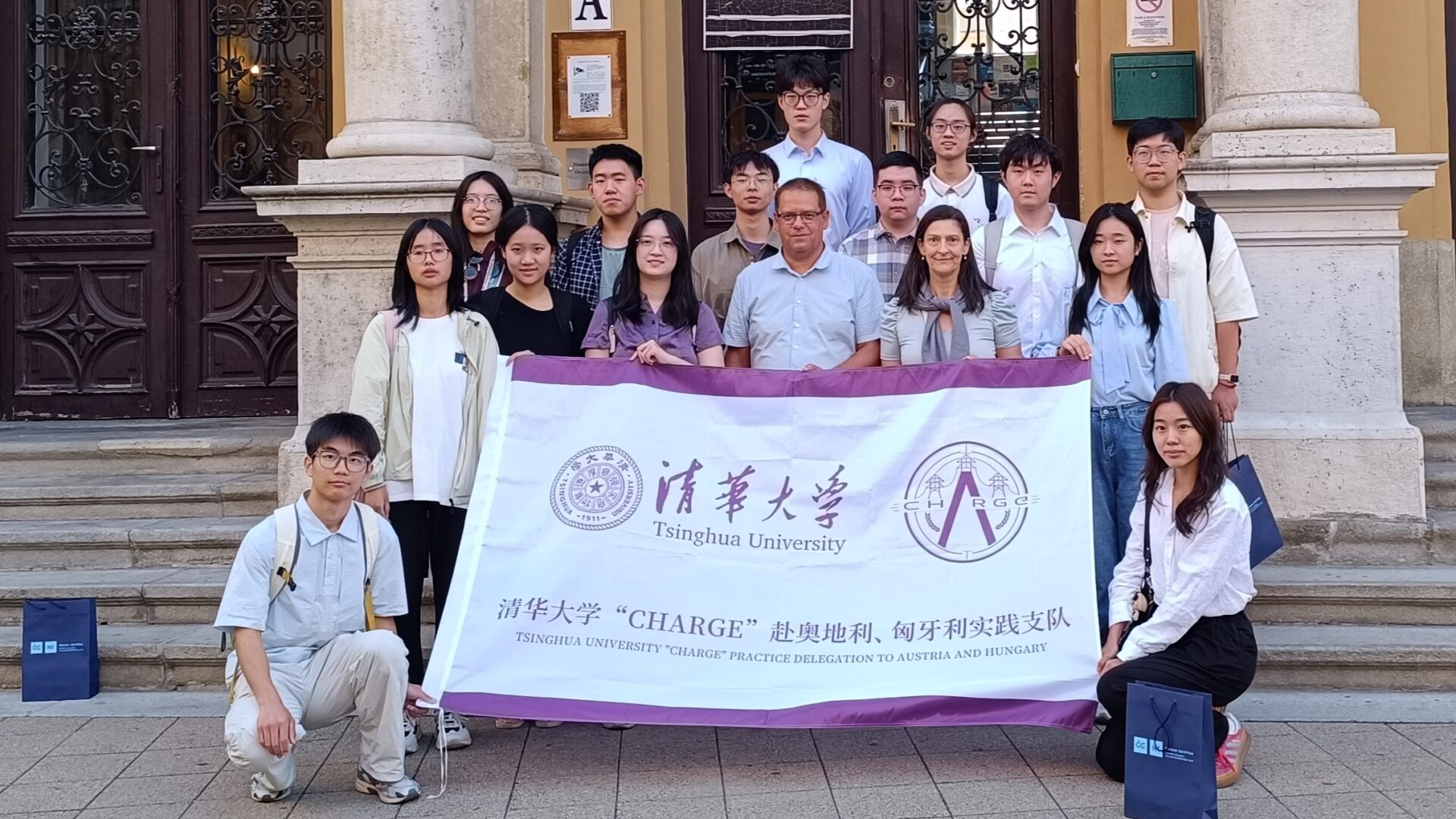
Bridging Continents Through Academic Research in Central Europe
Addressing the complex challenges of modern power generation requires a global perspective. Recently, Óbuda University in Hungary reinforced its position as a hub for applied engineering research by hosting a specialized delegation from Tsinghua University. This visit underscores the critical role of international cooperation in developing sustainable energy frameworks. By bringing together top-tier academic minds from Asia and Europe, the initiative highlights how cross-border academic partnerships can effectively address global technological and societal challenges.
From August 10 to 21, 2026, a 15-member student research group known as the CHARGE Practice Team traveled across Central Europe, specifically focusing their attention on Austria and Hungary. Their mission centered on conducting a comprehensive, field-based analysis of the energy transition processes unfolding within the region. For students and professionals monitoring the evolution of European power grids, this collaboration between Tsinghua University and Óbuda University serves as a prime example of how institutional networks facilitate high-level scientific inquiry.
Understanding the Socio-Technical Dimensions of the Energy Transition
Modern energy systems cannot be evaluated solely through a technological lens. The CHARGE Practice Team approached their study tour utilizing socio-technical systems (STS) transition theory. This theoretical framework asserts that technological advancements and social structures do not evolve in isolation; rather, they co-evolve and influence one another in profound ways. When a nation shifts from fossil fuels to renewable energy sources, the transition impacts regulatory policies, economic markets, consumer behavior, and industrial supply chains simultaneously.
By applying STS theory to the Central European context, the visiting students from Tsinghua University investigated how varying natural conditions and distinct geopolitical environments dictate the speed and nature of the energy transition. For instance, a country with abundant hydroelectric potential will naturally adopt different grid management strategies compared to one relying heavily on solar or wind power. Understanding these nuances is essential for engineering students who will eventually design and manage the integrated power systems of the future.
The Role of Renewable Energy Sources in Regional Grids
A core component of the delegation’s research involved evaluating the growing penetration of renewable energy sources into existing electrical infrastructures. Integrating intermittent power sources like wind and solar into a stable grid requires sophisticated control mechanisms and advanced forecasting. The students examined how Central European nations are balancing the phase-out of conventional baseload power plants with the integration of distributed energy resources. This specific focus demonstrates the rigorous, data-driven approach that characterizes modern electrical engineering education at the global academic elite level.
Inside the Kando Kálmán Faculty of Electrical Engineering at Óbuda University
During their time in Budapest, the delegation was hosted by the Kando Kálmán Faculty of Electrical Engineering at Óbuda University. This faculty is widely recognized for its robust curriculum and extensive laboratory facilities, which provide students with hands-on experience in power engineering, automation, and information technology. Zsolt Markella, the Vice Dean of the Faculty, guided the visitors through an overview of the academic programs and the specialized research conducted within the institution’s laboratories.
The emphasis at Óbuda University is heavily placed on practical application. Rather than limiting education to theoretical models, the university ensures that students and researchers engage directly with the hardware and software that comprise modern electrical systems. This pedagogical approach aligns perfectly with the objectives of the CHARGE Practice Team, who were seeking tangible examples of how energy transition strategies are implemented at the institutional and local grid levels.
Practical Infrastructure: The On-Campus Electrical Power Substation
A highlight of the visit was a specialized tour of the electrical power substation operated directly on the campus of Óbuda University. On-campus substations are critical for managing the high-voltage electricity distributed from the national grid, stepping it down to lower voltages safe for use in university buildings, laboratories, and research facilities. Richárd Haddad, an expert in the field, presented the operational parameters of the substation to the delegation.
This hands-on exposure allowed the Tsinghua University students to observe the practical functioning of energy infrastructure up close. They were able to examine the role of individual components—such as transformers, switchgear, and protective relays—within the broader electrical power system. For engineering students, seeing the physical manifestation of grid management concepts bridges the gap between textbook theories and real-world engineering challenges.
Explore our related articles for further reading on electrical engineering advancements.
Examining Hungary’s National Energy Infrastructure at MAVIR
To fully understand a country’s energy transition, one must look beyond localized campus infrastructure and examine the national grid operator. Following their visit to Óbuda University, the research group continued their professional program at MAVIR, the Hungarian Transmission System Operator. MAVIR is the central organization responsible for the management, operation, and development of Hungary’s entire electricity transmission system.
At MAVIR, the students were introduced to the complex system control centers that monitor the flow of electricity across the country in real-time. They learned how system operators maintain the delicate balance between electricity generation and consumption, ensuring grid stability even as the mix of energy sources shifts. The visit provided the delegation with a macro-level perspective on how policy decisions regarding the energy transition translate into operational realities for the engineers tasked with keeping the lights on.
Comparing Energy Pathways: Austria and Hungary
The decision by the CHARGE Practice Team to study both Austria and Hungary provides a valuable comparative framework. While geographically proximate, the two nations possess different energy profiles and strategic priorities. Austria has a long history of utilizing hydroelectric power and has heavily invested in wind energy, giving it a distinct advantage in decarbonizing its electricity sector. Hungary, on the other hand, has historically relied more on nuclear power and natural gas, and is currently navigating the complex process of expanding its solar capacity while maintaining grid stability.
By analyzing these two distinct pathways, the students from Tsinghua University are identifying shared experiences and transferable lessons. They are documenting how different regulatory frameworks, market incentives, and geographical constraints shape the deployment of renewable energy sources. This comparative analysis is highly relevant for China, a vast country with equally diverse regional energy resources and needs. The insights gathered from Central Europe will undoubtedly inform future research and policy recommendations in their home country.
Share your experiences in the comments below regarding international energy research.
The Strategic Value of International Cooperation in Higher Education
The visit of the Tsinghua University students to Óbuda University provides a clear example of the inherently international nature of modern engineering challenges. The energy transition is not a localized phenomenon; it is a global imperative that requires the sharing of knowledge, data, and best practices across borders. Cooperation between universities, independent researchers, and industry stakeholders is fundamental to accelerating the development of sustainable energy systems.
For Óbuda University, hosting a delegation from one of the world’s most prestigious academic institutions represented a highly valuable opportunity. It allowed the Hungarian faculty to share their specific regional expertise while simultaneously gaining fresh perspectives from international scholars. These types of academic exchanges foster a global network of professionals who can collaborate on joint research papers, international grant applications, and innovative engineering projects long after the initial visit has concluded.
Furthermore, international cooperation in higher education prepares students for the realities of the modern workforce. Engineers today frequently work on multinational projects, coordinate with global supply chains, and must navigate diverse regulatory environments. Exposure to different engineering philosophies and approaches during their studies makes graduates significantly more adaptable and effective in their future careers.
Pursue Advanced Engineering Studies in Hungary
For aspiring engineers and researchers looking to engage with complex topics like the energy transition, selecting the right academic institution is a critical decision. Óbuda University offers a dynamic, research-oriented environment situated in Budapest, a major European hub for technology and innovation. The university’s commitment to maintaining operational infrastructure, such as its own electrical power substation, ensures that students have access to unparalleled practical learning experiences.
By choosing to study in Hungary, international students benefit from a high-quality European education while experiencing the unique geopolitical and technological landscape of Central Europe. The university offers a range of programs designed to equip students with the skills necessary to tackle the defining technological and societal challenges of our time, from automation and robotics to sustainable energy systems.
Conclusion: Shaping the Future of Global Energy Systems
The research study tour undertaken by the Tsinghua University CHARGE Practice Team highlights the essential intersection of academic research, international cooperation, and practical engineering in addressing the energy transition. By examining the socio-technical systems of Austria and Hungary, and by engaging directly with the facilities at Óbuda University and MAVIR, these students are gathering the comprehensive, real-world data necessary to understand one of the most complex challenges of the 21st century.
As global energy demands continue to rise and the pressure to decarbonize intensifies, the partnerships forged between institutions like Tsinghua University and Óbuda University will only grow in importance. Fostering these international academic networks is not just beneficial for the students involved; it is a vital step toward building a resilient, sustainable, and technologically advanced global energy infrastructure.