Hungarian University of Sports Science Contributions to the European Artistic Gymnastics Championships
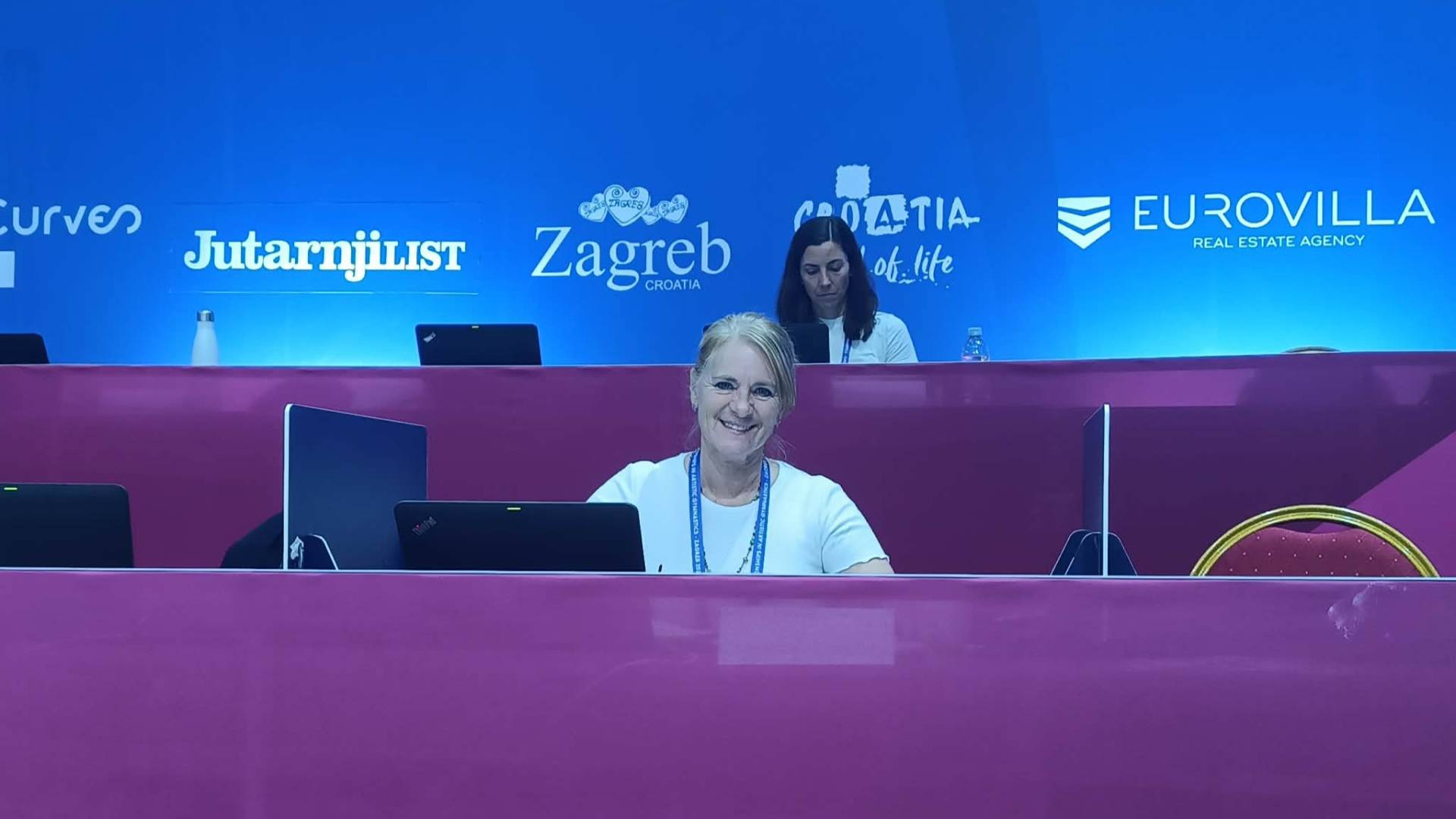
The European Artistic Gymnastics Championships represent one of the most prestigious competitive stages for gymnasts across the continent. In August 2026, Zagreb, Croatia, hosted this major sporting event, bringing together senior and junior athletes, coaches, and officials from numerous nations. What made this edition particularly noteworthy for Hungary was the significant presence of faculty members and students from the Hungarian University of Sports Science (HUSS), demonstrating the institution’s deep integration with elite-level gymnastics.
The Role of HUSS in Elite Gymnastics Development
The Hungarian University of Sports Science has long established itself as a central hub for athletic education and sports science research in Central Europe. When examining Hungary’s participation in international gymnastics competitions, the fingerprints of HUSS are evident across multiple dimensions—from the athletes competing on the floor to the officials evaluating performances and the coaches strategizing behind the scenes.
This interconnected relationship between academic institutions and high-performance sport is not accidental. HUSS has deliberately structured its programs to serve both the theoretical and practical needs of elite athletics. Students do not merely learn about sports in classrooms; they actively participate in the sporting ecosystem while pursuing their degrees.
Submit your application today to become part of an institution that bridges academic excellence with competitive sport.
International Judging Representation from HUSS Faculty
Dr. Zsuzsanna Kalmár: Leading the Women’s Judging Panel
Dr. Zsuzsanna Kalmár, who serves as the Head of the Department of Gymnastics, Rhythmic Gymnastics, Dance and Aerobics at HUSS, brought her extensive expertise to the European Championships as an international judge for the women’s competition. Her role required not only technical precision but also the ability to make split-second assessments under immense pressure, evaluating complex routines against strict international scoring criteria.
Dr. Kalmár’s position at HUSS means that her international judging experience directly informs the curriculum and training methods used to educate the next generation of gymnastics professionals. Students benefit from instructors who maintain active involvement at the highest levels of their sport.
Csaba Bordán: Evaluating Men’s Artistic Gymnastics
The men’s competition featured Csaba Bordán, a senior lecturer within the same department at HUSS, serving as an international judge. His presence ensured that Hungary had expert representation in evaluating performances across all six men’s apparatus: floor exercise, pommel horse, still rings, vault, parallel bars, and horizontal bar.
Having faculty members serve as international judges creates a feedback loop that enhances the educational environment at HUSS. When judges return from major championships, they bring updated insights on evolving trends, technique standards, and rule interpretations that can be immediately incorporated into coursework and practical training sessions.
Coaching Excellence: Imre Draskóczy and the National Team
Imre Draskóczy attended the European Championships in Zagreb as the head coach of Hungary’s women’s artistic gymnastics national team. This role placed him at the center of strategic decision-making, responsible for preparing athletes mentally and physically for competition, selecting routines, and making critical calls during the event itself.
The connection between national team coaching and university education creates valuable synergies. Coaches who understand both the scientific foundations of training and the practical demands of competition are better equipped to develop well-rounded athletes. HUSS’s coaching programs emphasize this dual perspective, producing professionals who can bridge the gap between sports science research and applied coaching practice.
Schedule a free consultation to learn more about HUSS coaching programs and how they prepare professionals for roles at every level of sport.
Student-Athletes Balancing Competition and Education
Bettina Lili Czifra: Overcoming Adversity
Bettina Lili Czifra entered the European Championships as an Olympic athlete and European Championship silver medallist, credentials that establish her among Europe’s elite artistic gymnasts. As a first-year student in the Gymnastics Coaching programme at HUSS, Czifra exemplifies the dual-career pathway that the university supports.
At the Zagreb championships, Czifra competed solely on the uneven bars due to injury—a situation that required both physical adaptation and mental resilience. Although she narrowly missed qualifying for the apparatus final, her participation demonstrated commitment to representing Hungary on the international stage despite physical limitations. This kind of perseverance is precisely the quality that HUSS aims to cultivate in its students, whether they pursue competitive careers or transition into coaching and sports administration.
Krisztofer Mészáros: Contributing to Team Success
The Hungarian men’s artistic gymnastics team achieved an eighth-place finish in the team final, a result that reflects both the team’s capabilities and the competitive depth of European gymnastics. Among the team members was Krisztofer Mészáros, a current HUSS student who has already established himself as a medal-winning gymnast at the European Championship level, having previously earned both silver and bronze medals.
Mészáros’s participation as both a student and an international competitor highlights the practical orientation of HUSS’s academic programs. Rather than requiring students to choose between education and athletic development, the university provides structures that accommodate both pursuits simultaneously.
Alumni Impact: Szilárd Závory’s Continued Involvement
Szilárd Závory, a former HUSS student and Hungarian champion on vault, competed as part of the men’s team in Zagreb. His presence on the roster demonstrates the lasting impact of HUSS education on athletic careers—alumni continue to compete at high levels long after completing their formal studies, applying the foundations built during their university years.
The relationship between HUSS and its alumni extends beyond mere nostalgia. Former students often return to share experiences, mentor current athletes, or contribute to research and program development. This ongoing engagement strengthens the institution’s connection to the competitive gymnastics community and ensures that academic programs remain relevant to the sport’s evolving demands.
Have questions? Write to us! We can connect you with alumni who can share their experiences balancing academics and elite competition.
The Coaching Pipeline: János Trenka’s Academic Journey
An interesting dimension of HUSS’s presence at the European Championships came through János Trenka, who coaches both Bettina Lili Czifra and two-time European champion Zsófia Kovács. Trenka was beginning his studies in the Gymnastics Coaching bachelor’s programme at HUSS around the time of the championships.
This scenario illustrates a crucial aspect of sports education: experienced practitioners often seek formal academic credentials to complement their practical expertise. Trenka already possessed the coaching knowledge to develop European champions, yet he recognized the value of systematic education in expanding his capabilities. HUSS’s programs are designed to accommodate such students, providing frameworks that validate and build upon existing experience rather than treating all learners as blank slates.
Why Gymnastics Professionals Choose HUSS
Comprehensive Departmental Structure
The Department of Gymnastics, Rhythmic Gymnastics, Dance and Aerobics at HUSS represents a consolidated approach to movement-based disciplines. By grouping related fields under one administrative structure, the university facilitates cross-pollination of ideas and techniques. Artistic gymnastics coaches can draw insights from rhythmic gymnastics methodology, while dance specialists might incorporate principles from aerobic gymnastics into their work.
This interdisciplinary environment prepares graduates for diverse career paths. A student who enters with a focus on artistic gymnastics might discover complementary interests in other movement disciplines, expanding their professional versatility.
Connection to International Gymnastics Networks
HUSS’s involvement in events like the European Artistic Gymnastics Championships is not incidental—it reflects deliberate cultivation of international relationships. Faculty members who serve as international judges and coaches maintain networks that benefit the entire institution. These connections can facilitate student exchanges, research collaborations, and access to the latest developments in gymnastics training and sports science.
For students considering where to pursue gymnastics education, this international orientation provides tangible advantages. The opportunity to learn from instructors who regularly operate at championship level creates an educational experience grounded in current best practices rather than outdated textbook knowledge.
The Broader Context of Gymnastics in Hungary
Hungary has a rich gymnastics tradition, producing numerous Olympic and World Championship medallists throughout the sport’s history. The country’s ability to remain competitive on the European stage depends on sustained investment in coach education, athlete development pathways, and sports science research—institutions like HUSS that integrate these functions are essential to maintaining this competitive position.
The European Artistic Gymnastics Championships in Zagreb demonstrated that this ecosystem continues to function effectively. From athletes competing for medals to officials ensuring fair evaluation and coaches guiding national teams, HUSS representatives contributed across the full spectrum of championship activities.
Share your experiences in the comments below if you have participated in gymnastics competitions or are considering a career in this demanding sport.
Looking Ahead: HUSS and Future Championships
The participation of HUSS faculty and students in the 2026 European Championships establishes a foundation for continued involvement in major international events. As current students progress through their programs and new cohorts arrive, the pipeline of qualified judges, coaches, and athlete-scholars will continue to strengthen.
For prospective students interested in gymnastics, the message is clear: HUSS offers an educational environment where academic learning and competitive involvement are not opposing forces but complementary elements of professional development. Whether the goal is to compete, coach, judge, or contribute to gymnastics through research and administration, the university provides pathways that acknowledge and leverage the unique demands of this sport.
The European Artistic Gymnastics Championships will continue to serve as both a competitive arena and a proving ground for the principles taught at HUSS. Each championship cycle offers new opportunities for the university community to demonstrate that excellence in gymnastics and excellence in education can be pursued simultaneously—and that success in one domain often reinforces success in the other.
Explore our related articles for further reading on sports science education and Hungary’s presence in international athletic competitions.