
Hungarian University of Sports Science Expert Kalmár Zsuzsanna Teaches at FIG Academy in Mauritania
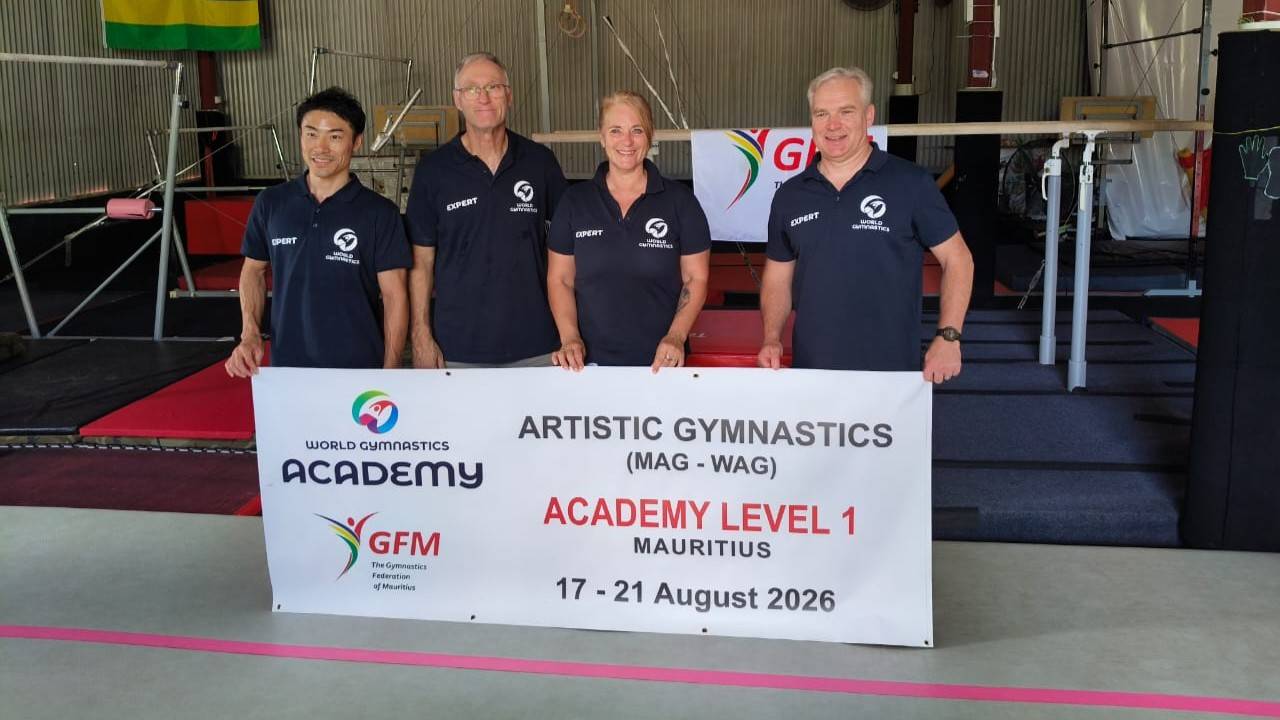
The International Gymnastics Federation (FIG) maintains rigorous standards for coach education worldwide, and being selected as an expert lecturer for its prestigious FIG Academy program requires exceptional credentials and demonstrated expertise. Dr. Zsuzsanna Kalmár, Head of the Department of Gymnastics, Rhythmic Gymnastics, Dance and Aerobics at the Hungarian University of Sports Science, recently achieved this distinction for the ninth time, delivering specialized instruction at a FIG Academy coaching course held in Mauritania. This accomplishment underscores both her personal standing in the global gymnastics community and the institutional reputation that the Hungarian University of Sports Science has cultivated over decades of dedicated work in sports education.
Understanding the FIG Academy Program and Its Global Impact
The FIG Academy represents the international governing body’s comprehensive approach to standardizing gymnastics coaching education across all disciplines and continents. Established to ensure that coaches worldwide receive consistent, high-quality training aligned with the latest scientific research and technical developments, the FIG Academy operates through a multi-level certification system. Coaches progress through Level 1, Level 2, and Level 3 courses, each building upon foundational knowledge to develop increasingly sophisticated coaching competencies.
What distinguishes the FIG Academy from other coaching certification programs is its integration of theoretical knowledge with practical application. Course participants engage with sport science fundamentals—including biomechanics, physiology, psychology, and pedagogy—while simultaneously developing their technical understanding of gymnastics skills and progressions. The federation deliberately structures these courses to create a global community of educated coaches who can apply evidence-based practices in their home countries, regardless of whether they work in established gymnastics powerhouses or developing nations building their programs from the ground up.
The selection of Mauritania as the host nation for this particular FIG Academy session reflects the federation’s commitment to expanding gymnastics education into regions where the sport is still developing. By bringing expert instruction directly to coaches in West Africa, FIG aims to create sustainable coaching capacity that will benefit athletes for generations to come.
Kalmár Zsuzsanna’s Role at the Mauritania FIG Academy
From August 17 to 21, Dr. Kalmár Zsuzsanna served as an expert lecturer for a Level 1 practical training course specifically focused on women’s artistic gymnastics. This foundational level introduces coaches to essential pedagogical principles, basic technical progressions, safety protocols, and age-appropriate training methodologies. For many participants, Level 1 represents their first structured exposure to systematic coaching education, making the quality of instruction critically important for establishing correct practices from the outset.
Dr. Kalmár’s responsibilities extended beyond simply delivering prepared content. As an expert lecturer, she was expected to demonstrate techniques, provide individualized feedback to course participants, facilitate discussions about coaching challenges specific to the African context, and assess coaches’ readiness to apply their learning in practical settings. Her extensive experience in both competitive gymnastics and academic settings positioned her well to bridge the gap between theoretical knowledge and real-world coaching demands.
The timing of her FIG Academy participation is particularly noteworthy. Dr. Kalmár traveled to Mauritania immediately after serving as an international judge at the European Artistic Gymnastics Championships in Zagreb. This consecutive engagement at two major gymnastics events—first as a judge evaluating elite competitors, then as an educator training developing coaches—illustrates the breadth of her contributions to the sport and the high regard in which FIG holds her expertise.
The Significance of Ninth-Time Recognition
Receiving a single invitation to lecture at a FIG Academy represents a meaningful professional achievement. Being invited for the ninth time indicates an established relationship based on consistently excellent performance and recognized value to the program. FIG maintains strict standards for its expert lecturers, selecting only individuals who demonstrate not only technical mastery but also effective teaching abilities, cultural sensitivity, and the capacity to adapt their instruction to diverse learning environments.
For the gymnastics community in Hungary, Dr. Kalmár’s repeated selection provides external validation of the quality of gymnastics education cultivated within the country. It demonstrates that Hungarian expertise in gymnastics coaching methodology meets or exceeds international standards, even as the sport continues to evolve with new techniques, scoring systems, and training approaches.
The Hungarian University of Sports Science: A Center for Gymnastics Excellence
The achievement of Dr. Kalmár Zsuzsanna cannot be separated from the institutional context of the Hungarian University of Sports Science (HUSS). As the nation’s primary institution for higher education in physical education, sports science, and coaching, HUSS has long maintained particular strength in gymnastics disciplines. The university’s Department of Gymnastics, Rhythmic Gymnastics, Dance and Aerobics—which Dr. Kalmár leads—serves as a hub for developing the next generation of Hungarian gymnastics professionals while simultaneously contributing to international knowledge through research and collaboration.
Hungary possesses a rich gymnastics history, and HUSS has played a central role in maintaining the country’s competitive presence while adapting to the sport’s modern demands. The university’s curriculum integrates practical coaching skills with theoretical understanding of training science, injury prevention, athlete development, and sport management. Students who complete programs at HUSS enter the coaching profession with a comprehensive foundation that prepares them for work at various levels, from grassroots programs to elite athlete development.
The involvement of HUSS faculty members in international initiatives like the FIG Academy creates reciprocal benefits. While Dr. Kalmár shares Hungarian expertise with the global gymnastics community, she simultaneously gains exposure to diverse coaching approaches, challenges, and innovations from around the world. This international engagement informs her teaching at HUSS, ensuring that students benefit from a global perspective rather than an insular view of the sport.
Schedule a free consultation to learn more about gymnastics education programs at HUSS and how they can advance your coaching career.
What This Means for Aspiring Gymnastics Coaches
For individuals considering careers in gymnastics coaching, the FIG Academy system and the involvement of institutions like HUSS offer important insights into professional development pathways. The gymnastics coaching field increasingly values formal education alongside practical experience. Coaches who combine competitive backgrounds with systematic study of sport science and pedagogy position themselves for advancement opportunities, whether in their home countries or internationally.
The FIG Academy certification provides coaches with credentials recognized across national borders. A coach who completes FIG Academy training in Africa can potentially use that certification when seeking opportunities in Europe, Asia, or the Americas. This portability of qualifications represents a significant advantage in an increasingly mobile professional landscape.
Moreover, the existence of structured education pathways like those offered by FIG and institutions such as HUSS demonstrates that coaching is recognized as a profession requiring specialized knowledge, not merely an activity that former athletes transition into without additional preparation. Aspiring coaches who invest in their education signal to employers, athletes, and parents that they take their responsibilities seriously and are committed to evidence-based practice.
Building a Foundation in Gymnastics Education
Effective gymnastics education begins with understanding fundamental principles that apply across all levels and contexts. These include biomechanical analysis of skills, progressive skill development methodologies, age-appropriate training loads, psychological support for athletes, and safe facility management. Coaches who master these foundations can adapt their approaches to serve diverse populations, from recreational participants to competitive athletes pursuing international success.
The Level 1 FIG Academy course that Dr. Kalmár taught in Mauritania focuses precisely on establishing these foundations. Participants learn not just what to teach, but how to teach it—how to break complex skills into learnable progressions, how to provide effective feedback, how to create training environments that motivate rather than intimidate, and how to prioritize athlete safety without sacrificing skill development. These pedagogical skills distinguish professional coaches from those who merely supervise practice sessions.
The Broader Impact of International Coaching Education
When expert lecturers from institutions like the Hungarian University of Sports Science participate in FIG Academy programs in developing regions, the effects extend beyond the individual coaches who attend the courses. These coaches return to their home clubs and national federations equipped to train other coaches, creating a multiplier effect that can transform gymnastics culture within a country over time. A single well-trained coach can influence hundreds of athletes throughout a career, and those athletes may themselves become coaches, perpetuating the cycle of knowledge transfer.
Furthermore, international coaching education promotes consistency in how gymnastics is taught and practiced worldwide. While cultural adaptations are necessary and valuable—coaching approaches must account for differences in facilities, athlete backgrounds, and societal attitudes toward sport—having a shared technical vocabulary and understanding of fundamental principles facilitates communication and collaboration across borders. This consistency becomes particularly important in judging contexts, where coaches and judges must share common expectations about technique and execution.
The development of gymnastics in Africa represents one of the sport’s most significant growth opportunities in the coming decades. As nations across the continent invest in sports infrastructure and youth development programs, the demand for qualified coaches will only increase. FIG Academy programs, supported by expert lecturers like Dr. Kalmár, help ensure that this growth occurs on a sound pedagogical foundation rather than through trial and error.
Explore our related articles for further reading on international gymnastics development and coaching education opportunities.
Connecting Hungarian Gymnastics Heritage to Global Contribution
Hungary’s gymnastics tradition stretches back more than a century, with the nation producing numerous Olympic and World Championship medalists across artistic, rhythmic, and trampoline disciplines. This competitive success did not emerge by accident but resulted from systematic development of coaching expertise, athlete identification systems, and training methodologies refined over generations. The Hungarian University of Sports Science has served as the intellectual center for this development, conducting research, training coaches, and preserving institutional knowledge even as individual champions came and went.
Dr. Kalmár Zsuzsanna’s work with FIG Academy represents a continuation of this tradition of contribution, extending Hungarian expertise beyond national borders to benefit the global gymnastics community. Her ability to serve simultaneously as an international judge—evaluating the sport’s highest-level practitioners—and as an educator—teaching its foundational principles—demonstrates the comprehensive understanding that characterizes the best gymnastics professionals.
For the Hungarian University of Sports Science, having faculty members recognized at this international level enhances the institution’s reputation and creates opportunities for expanded collaboration. International partnerships in sports education can lead to student exchanges, joint research projects, and shared professional development initiatives that benefit all participating institutions.
Looking Forward: The Future of Gymnastics Education in Hungary
The recognition accorded to Dr. Kalmár Zsuzsanna through her FIG Academy involvement points toward a promising future for gymnastics education in Hungary. As the sport continues to evolve—with new apparatus specifications, updated Code of Points requirements, and advancing understanding of athlete health and safety—the need for well-educated coaches who can adapt to change becomes ever more critical. Institutions like HUSS that combine deep tradition with openness to innovation are well-positioned to meet this need.
The university’s ongoing engagement with international organizations like FIG ensures that Hungarian gymnastics education remains connected to global developments rather than becoming isolated. Faculty members who participate in international initiatives bring back current perspectives that enrich their teaching and research, while the university’s reputation for excellence attracts students from abroad who want to learn from a system with proven results.
For prospective students considering where to pursue gymnastics coaching education, the involvement of HUSS faculty in FIG Academy programs provides tangible evidence of the quality they can expect. Learning from instructors who are themselves recognized as experts by the sport’s international governing body offers a level of credibility that few institutions can match.
Submit your application today to join the next generation of gymnastics professionals trained at the Hungarian University of Sports Science.
Conclusion: Excellence Recognized, Knowledge Shared
Dr. Zsuzsanna Kalmár’s ninth invitation to lecture at a FIG Academy coaching course represents more than a personal achievement. It reflects the sustained quality of gymnastics education at the Hungarian University of Sports Science, the ongoing relevance of Hungarian expertise in the global gymnastics community, and the importance of international cooperation in developing the sport worldwide. Her contribution to the Mauritania FIG Academy—teaching foundational coaching principles to women’s artistic gymnastics coaches—exemplifies how individual expertise, when shared generously, can contribute to growth that extends far beyond any single course or cohort.
As gymnastics continues to expand into new regions and adapt to contemporary expectations about athlete welfare, coaching quality, and scientific rigor, the role of institutions like HUSS and professionals like Dr. Kalmár becomes increasingly important. The future of the sport depends not only on talented athletes but on the coaches who develop them, and ensuring those coaches receive excellent education is a responsibility that the gymnastics community must continue to prioritize.
Have questions about gymnastics education pathways or the FIG Academy certification process? Write to us!