-
Tuition/Year$8,070
-
Duration4 Years
- Apply
Program Description
Overview
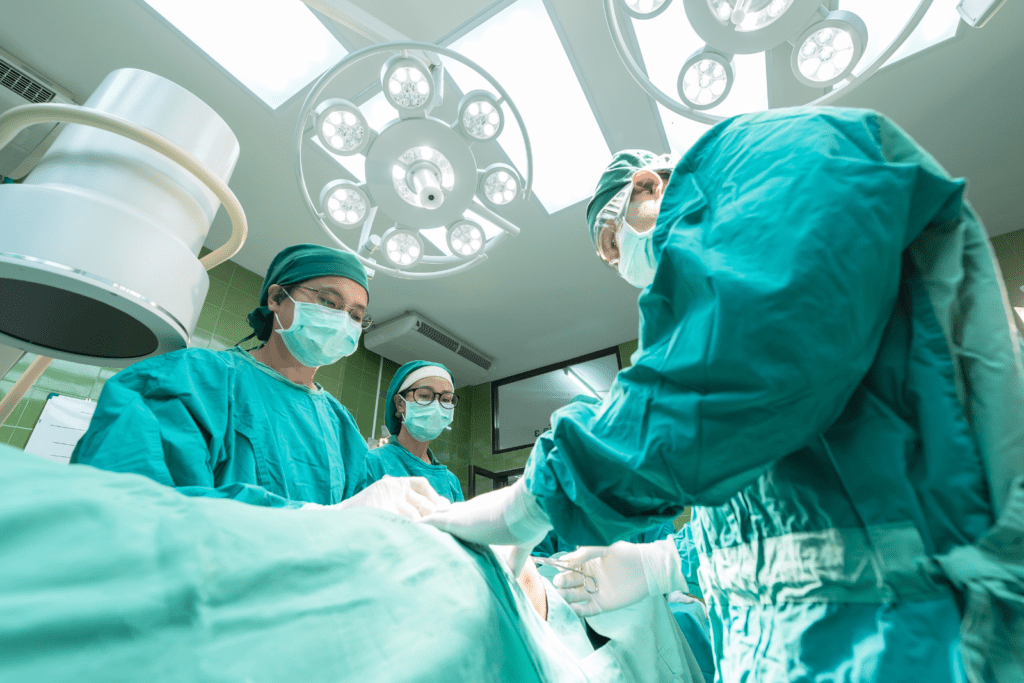
The main task of a physiotherapist is to improve the functions of the musculoskeletal system through therapeutic exercises, manual techniques, and other therapeutic modalities. Physiotherapists work as autonomous practitioners, meaning they have a great deal of independence in their work. They are responsible for treating patients using their knowledge and skills. The therapists develop movement therapies and apply electrotherapeutic treatment, therapeutic ultrasound, and various manual and massage treatments for the sake of healing and rehabilitation or for the prevention of health damage. Graduates take part in healing locomotor (orthopedic, rheumatologic, traumatologic), cardiovascular, obstetrical, gynecological, neurological, and psychiatric disorders.
Syllabus
- During the first year of the program, students take basic health sciences courses like Anatomy, Physiology and Pathophysiology, Oncology, Public Health, and Epidemiology.
- In the second year, they start taking Physiotherapy-specific theoretical and practical subjects, as well as clinical practices.
- The fourth year is mostly devoted to field practices and thesis work.
- After successfully completing the final examination and defending their thesis work, students receive a BSc degree certificate in Physiotherapy.
Highlights
Required Documents
- An Entrance exam in Biology, Chemistry, English, and Biomedical English.
- personal interview with an oral exam.
At a Glance
-
AwardBachelor's of Science
-
Duration4 Years
-
Tuition Fee$8,070 per year
-
Application Fee$345
-
Start DatesSep