
Óbuda University Welcomes a Record Number of Students for the 2026/2027 Academic Year in Hungary
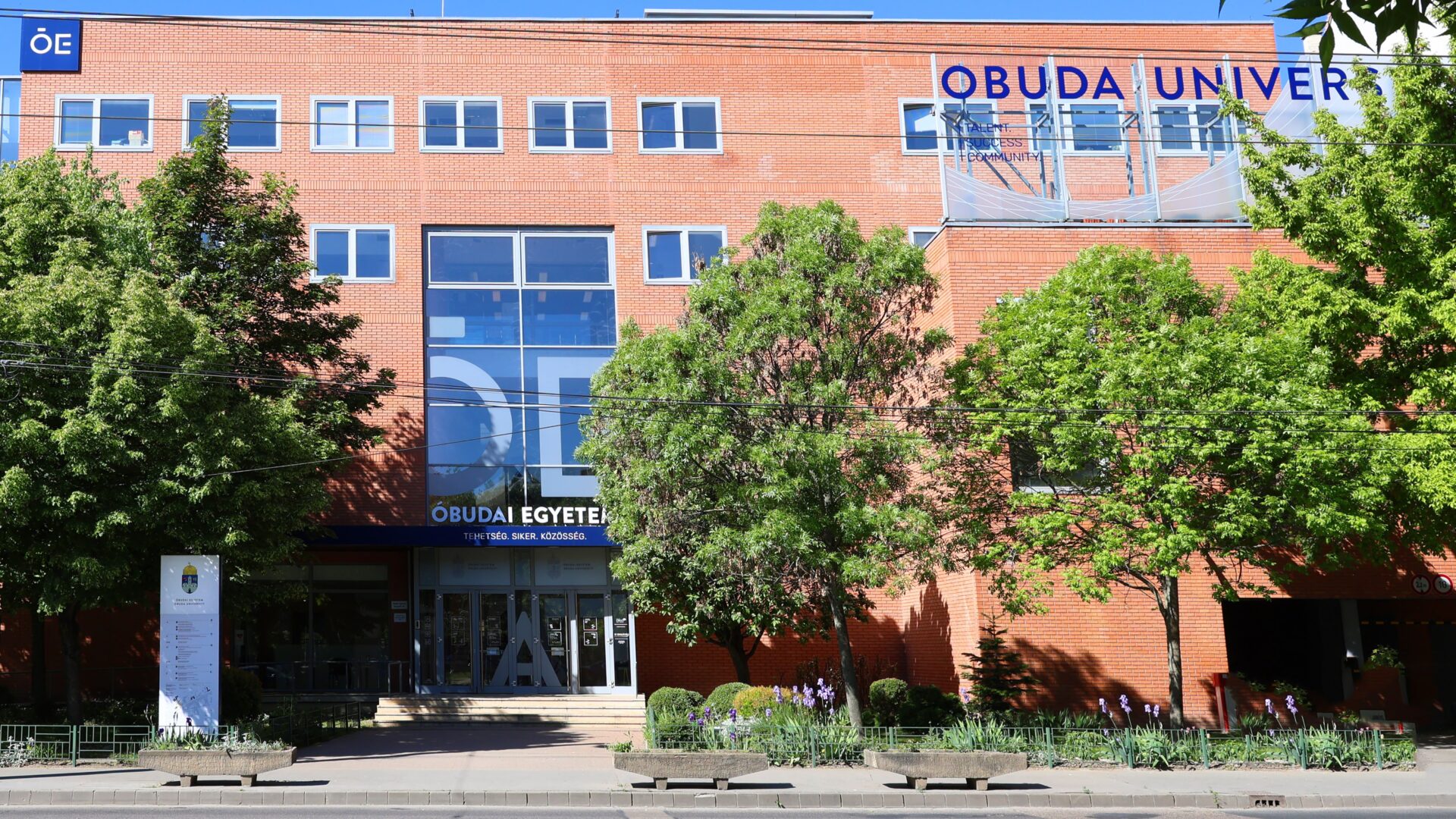
Óbuda University has opened the 2026/2027 academic year with 4,549 first-year students, the largest incoming class in the institution’s history. Announced in Budapest at the start of September, the record enrollment confirms a trend that has been building for several years: a growing number of students in Hungary and abroad are choosing Óbuda University for education that combines current, market-relevant knowledge with high professional standards. For prospective applicants, the announcement offers more than a news headline. It signals which programs are in demand, where the university is investing, and how future students can position themselves for admission in upcoming application cycles.
Thinking about studying in Hungary? Explore the available programs at Óbuda University to find the degree that matches your career goals.
A Record-Breaking Start to the Academic Year in Hungary
The 2026/2027 academic year marks a milestone for Óbuda University. A total of 4,549 newly admitted students began their studies across the university’s faculties, the highest figure the institution has ever recorded. Rector Prof. Dr. Levente Kovács described the result as clear evidence that the university’s programs and values resonate with prospective students.
In recent years, Óbuda University has steadily expanded and developed its educational and professional portfolio while maintaining its commitment to quality teaching. According to the Rector, the record number of admitted students reflects growing demand among applicants for higher education that delivers practical, up-to-date knowledge and maintains rigorous academic standards.
Why Enrollment Records Matter
For students weighing their options, enrollment figures are more than statistics. A growing student body typically indicates:
- Institutional stability and investment. Universities that attract record classes can reinvest in laboratories, campuses, and student services.
- Employer confidence. Consistently high demand for a university’s graduates reinforces its reputation in the labor market.
- A larger academic community. More students mean broader networking opportunities, active student organizations, and a wider range of projects and competitions.
Óbuda University’s leadership has framed the record not merely as a statistical achievement but as a sign of the trust students place in the institution — a trust the university says it intends to repay by providing knowledge and competencies that support a successful career start.
Supplementary Admission Results Point to Rising Demand
One of the most telling indicators of the university’s growing popularity came from the 2026 supplementary admission procedure. This year, twice as many applicants applied to Óbuda University’s programs as in the previous year. A total of 594 students were admitted through this second round, representing a 20 percent increase compared with the year before.
These figures reinforce a broader trend: Óbuda University is becoming the first choice for an increasing number of young people pursuing higher education in Hungary.
What Supplementary Admission Means for Applicants
Many applicants are unaware that missing the main admission deadline does not necessarily close the door for the year. Supplementary admission rounds allow universities to fill remaining places after the primary procedure concludes. For future applicants, the 2026 results carry two practical lessons:
- Monitor the official application calendar. Secondary rounds often have compressed timelines, so checking application deadlines regularly is essential.
- Prepare your documents in advance. Because supplementary windows are short, having transcripts, language certificates, and identification documents ready can make the difference between securing a place and waiting another year.
New Degree Programs Launching in the 2026/2027 Academic Year
Alongside the supplementary admission procedure, Óbuda University announced several new degree programs. These launches attracted significant interest and demonstrate the university’s strategy of aligning its portfolio with the technological and economic challenges of the future.
Bachelor’s in Aviation Infrastructure Engineering
The new Bachelor’s program in Aviation Infrastructure Engineering responds to sustained growth in the aviation sector and the corresponding need for engineers who can design, operate, and maintain complex airport and airspace infrastructure. Central Europe has become one of the fastest-growing aviation regions, and graduates with specialized infrastructure knowledge are well positioned for careers with airport operators, aviation authorities, logistics companies, and engineering firms.
Master’s in Economics and Business Education
At the postgraduate level, the university launched a Master’s program in Economics and Business Education. The program addresses the demand for professionals who combine economic expertise with the ability to teach, train, and develop talent — a skill set increasingly valued in corporate academies, vocational institutions, and educational technology companies.
Both programs illustrate a defining characteristic of Óbuda University’s approach: degree offerings are revised and expanded to reflect where the economy is heading, not where it has been. Students who want to enter emerging fields should pay close attention to these newly introduced programs, as first cohorts often benefit from smaller class sizes and strong institutional attention.
Review the full list of Bachelor’s and Master’s programs to see which fields the university currently covers, from engineering and informatics to economics and health sciences.
Why More Students Are Choosing Óbuda University
Record admission numbers rarely happen by accident. Several factors help explain why the university has become a leading choice among Hungarian and international students.
Education Aligned with the Labor Market
Óbuda University has built its reputation on programs that deliver practical, industry-relevant competencies. Course content is regularly updated in cooperation with industry partners, and students work on projects that mirror real engineering, business, and technological problems. This orientation shortens the gap between graduation and employment — a decisive factor for applicants comparing universities.
Research and Innovation Opportunities
Students at Óbuda University can engage with research early in their studies. The University Research and Innovation Center, specialized competence centers — including work in cyber medicine and digital health technologies — and dedicated science and innovation parks give students access to laboratories and projects that go beyond standard coursework. High-achieving students frequently co-author publications or contribute to award-winning research projects before completing their degrees.
Budapest as a Student Destination
Location matters. The university’s campuses are situated in Budapest, Hungary’s capital and economic center. Studying in Budapest offers students access to multinational companies, a vibrant international community, affordable living costs relative to Western European capitals, and rich cultural life. For international students, the city’s connectivity and established student infrastructure make the transition to life in Hungary considerably easier.
International Opportunities: Exchange Programs and Scholarships
Óbuda University’s appeal extends well beyond Hungary’s borders, and the record enrollment includes a substantial international component. Students have multiple pathways to join the university and to gain experience abroad during their studies.
Scholarship Options for International Students
The university participates in Hungary’s major scholarship schemes, most notably the Stipendium Hungaricum Scholarship, which provides tuition-free studies and a stipend to students from partner countries. The Hungarian Diaspora Scholarship offers a similar pathway for applicants with Hungarian heritage living abroad. These programs have made studying at a Hungarian university financially accessible to thousands of international students.
Exchange and Mobility Programs
Currently enrolled students can broaden their education through exchange opportunities, including:
- Erasmus+ — study semesters and traineeships across European partner institutions.
- Pannónia Scholarship Program — mobility support for studies outside Europe.
- CEEPUS — Central European academic exchange network.
- Summer University — short intensive programs that combine coursework with cultural experience.
Applicants planning their studies should factor these mobility options into their decision. A degree that includes an international semester stands out on a CV and builds the cross-cultural competence employers increasingly expect.
How to Prepare a Strong Application to Óbuda University
The record enrollment of the 2026/2027 academic year also means competition for places is rising. Applicants hoping to join the next incoming class should approach the process systematically.
Step 1: Verify Admission Requirements
Each program defines its own entry criteria, including prior qualifications and language proficiency. Review the required documents well before the deadline to allow time for translations, notarization, or renewals.
Step 2: Prepare for Entrance Examinations
Many programs include entrance tests or interviews, typically assessing mathematics, physics, or subject-specific knowledge, depending on the field of study. Applicants should allocate several weeks to systematic preparation rather than relying on last-minute review.
Step 3: Organize Financing and Accommodation Early
Successful applicants should immediately address tuition arrangements, scholarship applications, dormitory housing, and — for non-EU students — visa procedures. Dormitory places and visa appointments are limited, and early applicants consistently report a smoother enrollment process.
Have questions about the process? Contact the International Education Office for guidance on programs, admission steps, and life in Budapest.
What the Record Enrollment Means for the Future
A record incoming class places responsibilities on both the university and its students. For Óbuda University, the task is to preserve educational quality while accommodating growth — a challenge the institution addresses through continued campus development, expanded student services such as mentoring and counseling, and investment in digital learning infrastructure. For students, larger cohorts mean a more dynamic community but also greater competition for internships, research positions, and dormitory places. Those who engage early — joining student organizations, approaching professors, and applying for projects in their first year — consistently gain the most from their time at university.
Conclusion: A Signal Worth Reading for Prospective Students
The 2026/2027 academic year has begun with the strongest enrollment figures in Óbuda University’s history: 4,549 new students, a 20 percent increase in supplementary admissions, and the launch of degree programs designed for the industries of tomorrow. For prospective students, the message is straightforward. Demand for practical, market-relevant higher education in Hungary is growing, and Óbuda University has positioned itself at the center of that demand.
If you are considering applying for the next academic year, act early. Check the upcoming application deadlines, prepare your documents, and submit your application as soon as the admission window opens. The students who secured their places this year did not wait — and with enrollment records being broken, neither should you.
Are you a current or former student of Óbuda University, or are you planning to apply? Share your questions and experiences, and explore the university’s news section regularly for updates on programs, events, and admission rounds.