Hungarian University of Sports Science: Groundbreaking Epigenetic Research on Olympic Athletes
Understanding the Science Behind Elite Athletic Longevity
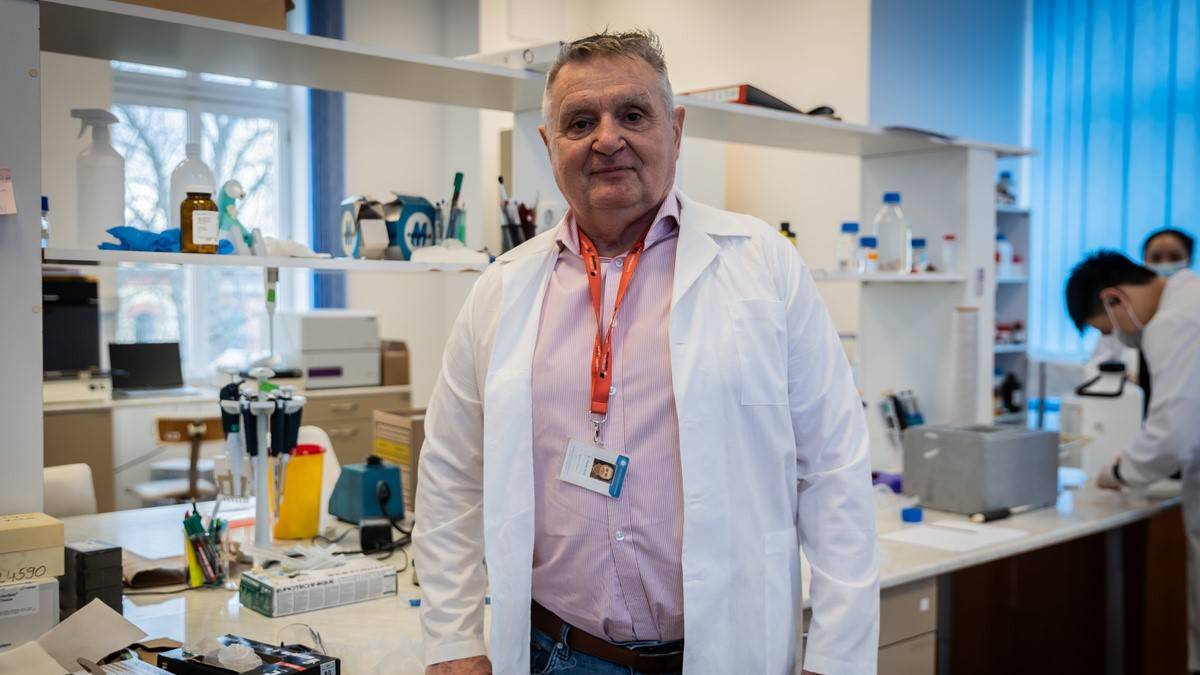
Recent groundbreaking research from the Hungarian University of Sports Science has uncovered fascinating insights into how elite athletic performance affects biological aging. Led by Professor Zsolt Radák, Director of the Research Centre for Molecular Exercise Science, this study represents a significant advancement in our understanding of the relationship between physical exercise and human longevity.
The research team employed epigenetic clocks, a sophisticated method for measuring biological age, to analyze gold medal-winning Hungarian Olympic champions. The results were remarkable: these elite athletes showed an average biological age that was 6.7 years younger than their chronological age. This finding suggests that the intense physical training and competitive lifestyle of Olympic athletes may have profound effects on cellular aging processes.
The Mechanism Behind Exercise-Induced Biological Benefits
Professor Radák explains that the benefits of exercise extend far beyond muscle development and cardiovascular fitness. During physical activity, blood and oxygen supply to skeletal muscles can increase up to one hundred times the resting level. This dramatic increase in circulation affects multiple organ systems throughout the body.
While blood flow to the heart and brain also increases during exercise, visceral organs experience a significant decrease in blood supply. This redistribution of resources appears to have beneficial effects on all our organs, contributing to the overall health advantages observed in elite athletes.
Genetic Markers of Athletic Excellence
Beyond the epigenetic age findings, researchers identified 20 genes that showed the most striking differences between Olympic champions and non-athletes. This genetic analysis, conducted using Steve Horvath’s epigenetic clock methodology, provides valuable insights into the biological factors that may contribute to athletic success.
These genetic markers could potentially help identify individuals with natural athletic predispositions or inform training programs designed to optimize genetic potential. The research opens new avenues for understanding how genetic factors interact with environmental influences like training and nutrition.
Implications for Public Health and Aging
The implications of this research extend far beyond the world of competitive sports. If elite athletic training can reduce biological age by nearly seven years, what does this mean for the general population? The findings suggest that regular physical exercise could be one of the most effective interventions for promoting healthy aging and longevity.
This research supports the growing body of evidence that physical activity is not just about fitness or appearance, but fundamentally affects our cellular biology and aging processes. The study provides scientific backing for public health recommendations that emphasize regular exercise as a key component of healthy aging strategies.
Future Research Directions
The Hungarian University of Sports Science team is continuing to explore the complex relationships between exercise, genetics, and aging. Future research may focus on identifying specific training protocols that maximize the anti-aging benefits of exercise, or developing personalized exercise recommendations based on individual genetic profiles.
The research also raises interesting questions about the optimal balance between athletic performance and long-term health. While Olympic-level training appears to have significant benefits, understanding how to achieve similar benefits through more moderate exercise programs could have broader public health applications.
Practical Applications for Athletes and Fitness Enthusiasts
For athletes and fitness enthusiasts, this research provides additional motivation to maintain consistent exercise routines. The findings suggest that the benefits of physical activity extend far beyond immediate performance improvements to include long-term health and longevity advantages.
Understanding that exercise affects our biological age at the cellular level may encourage more people to view physical activity as an essential component of healthy aging rather than just a means to improve physical appearance or athletic performance.
Educational and Research Opportunities
The Hungarian University of Sports Science offers various programs and research opportunities related to exercise science and molecular biology. Students interested in this field can explore courses in sports science, molecular exercise science, and related disciplines.
The university’s Research Centre for Molecular Exercise Science continues to conduct cutting-edge research in this area, providing opportunities for students and researchers to contribute to our understanding of exercise and human health.
Global Impact and Collaboration
This research represents Hungary’s contribution to the global understanding of exercise science and aging. The findings have implications for sports medicine, public health policy, and our fundamental understanding of human biology.
The collaborative nature of this research, involving international methodologies and expertise, demonstrates the importance of global cooperation in advancing scientific knowledge about human health and performance.
Conclusion: Exercise as a Fountain of Youth
The epigenetic research from the Hungarian University of Sports Science provides compelling evidence that regular physical exercise may indeed be one of the most effective strategies for promoting healthy aging and longevity. The finding that Olympic champions have biological ages nearly seven years younger than their chronological ages is particularly striking.
While most of us may not train at Olympic levels, this research suggests that incorporating regular physical activity into our lives could have profound effects on our long-term health and biological aging processes. As our understanding of the relationship between exercise and cellular biology continues to grow, the importance of physical activity for healthy aging becomes increasingly clear.
The work being done at the Hungarian University of Sports Science represents an important step forward in our understanding of how lifestyle factors like exercise can influence our fundamental biology and potentially extend our healthy lifespan. This research not only advances scientific knowledge but also provides practical guidance for individuals seeking to optimize their health through physical activity.