Explore the Hungarian State Opera House Award and Budapest Metropolitan University’s Role in ECLECTIQ Magazine
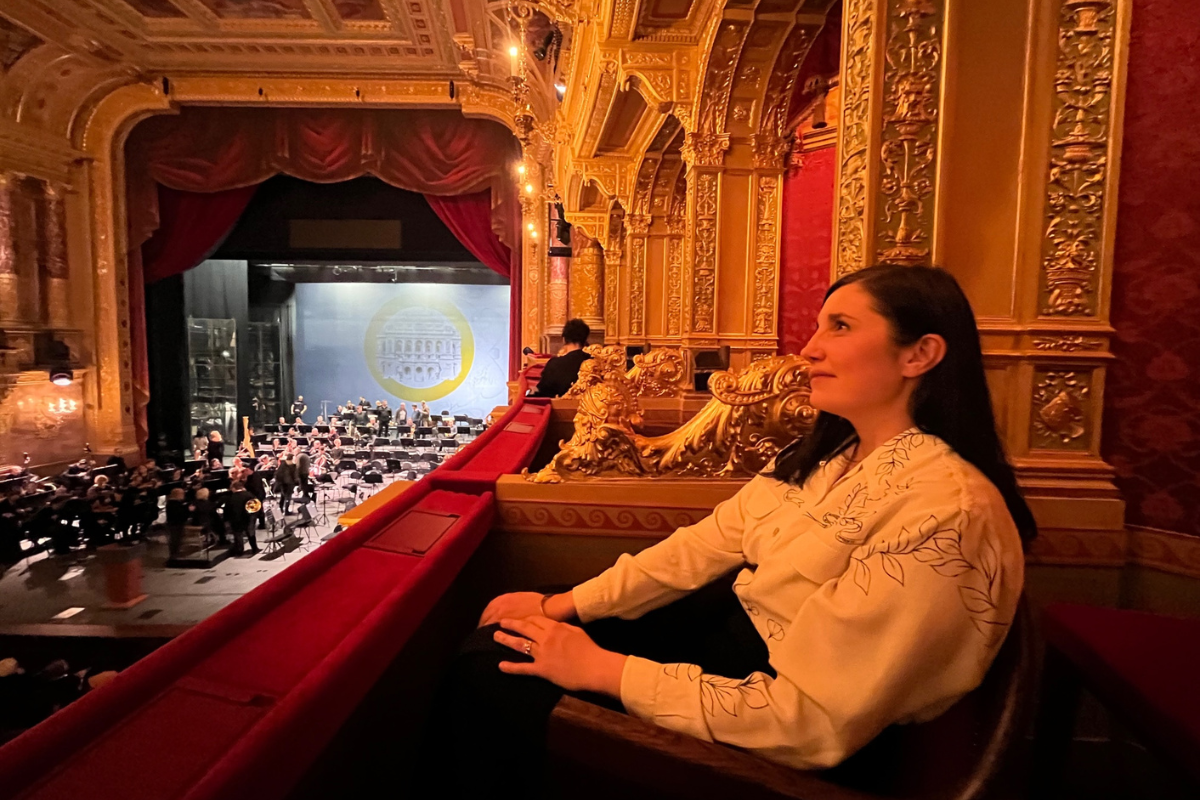
Preserving the architectural integrity of historic buildings requires a meticulous blend of historical knowledge, artistic vision, and modern engineering. Recently, the cultural landscape of Hungary received significant international recognition as the Hungarian State Opera House renovation won a prestigious European Heritage Award. This remarkable achievement highlights not only the architectural grandeur of the building but also the specialized contributions of the professionals involved. Among these experts is Dr. Eszter Révész DLA, a textile artist and university docent at Budapest Metropolitan University, whose behind-the-scenes work is now featured in ECLECTIQ Magazine. For aspiring designers, architects, and artists, understanding the nuances of this project provides valuable insights into the complexities of heritage conservation.
Understand the Significance of the European Heritage Award in Hungary
Winning a European Heritage Awards / Europa Nostra Award is one of the highest honors a cultural preservation project can receive in Europe. The award specifically acknowledges projects that demonstrate exceptional complexity, outstanding professional quality, and a strong, demonstrable commitment to preserving cultural heritage. When a historic structure in Hungary receives this level of international acclaim, it elevates the country’s status as a steward of European cultural history.
The Hungarian State Opera House is an iconic symbol of Budapest, renowned for its stunning Neo-Renaissance architecture. Renovating a building of this magnitude goes far beyond simple cosmetic updates. It requires a comprehensive approach that addresses structural stability, modern safety standards, and the accurate restoration of intricate interior designs. The award confirms that the multidisciplinary team successfully navigated these challenges, ensuring that the building retains its historical authenticity while functioning effectively as a modern performance venue. This recognition serves as a benchmark for future restoration projects across Hungary and the broader European community.
Schedule a free consultation to learn more about how studying in an environment connected to award-winning professionals can shape your career in design and architecture.
Examine the Textile Restoration of the Hungarian State Opera House
While structural engineers and architects often receive the lion’s share of public attention in large-scale renovations, the interior textile work is equally critical to a building’s historical accuracy and atmospheric quality. Dr. Eszter Révész DLA was entrusted with one of the most significant commissions of her career: reimagining and recreating the textile world of the Opera House. Her task was to harmonize historical authenticity with contemporary expectations, paying special attention to the building’s Neo-Renaissance heritage.
Textile restoration in a 19th-century opera house involves much more than replacing old curtains. It requires extensive archival research to understand the original weaving techniques, dye compositions, and patterning used during the building’s initial construction. Dr. Révész had to source materials that matched the weight, sheen, and drape of the original fabrics while ensuring that the new textiles met contemporary fire safety and acoustic requirements. The challenge lies in creating textiles that look and feel historically accurate to the audience and performers, yet are manufactured using modern techniques that ensure their longevity. The success of this specific element played a substantial role in the overall acclaim the renovation received.
The Challenges of Neo-Renaissance Interior Design
Neo-Renaissance design is characterized by rich, heavy fabrics, elaborate patterning, and a distinct visual opulence. Recreating this aesthetic requires a deep understanding of historical art movements. Dr. Révész’s approach involved a careful study of Renaissance motifs, translating these historical patterns into functional textile designs for wall coverings, stage curtains, and upholstered seating. Balancing the visual density required by the historical style with the need for a functional, breathable, and safe modern performance space is a feat of specialized design engineering.
Review the International Collaboration Behind the Renovation
Large-scale heritage renovations are rarely completed by a single team or within the borders of a single country. The successful restoration of the Hungarian State Opera House was a highly collaborative international effort. The concept development phase, which took place during the COVID-19 pandemic, required innovative approaches to communication and project management. Despite the global disruptions, the team maintained a rigorous focus on research and design.
The implementation phase showcased a truly international supply chain and skill network. Italian manufacturers, known for their long-standing traditions in high-quality textile production, were brought in to weave the specialized fabrics. British contractors contributed their expertise in precise installation techniques for large-scale theatrical interiors. Finally, Hungarian professionals provided the on-the-ground execution, ensuring that every piece was installed flawlessly within the specific architectural constraints of the Budapest venue. This cross-border collaboration highlights the reality of modern architectural restoration: it is a global industry that requires professionals to communicate and coordinate across different languages, regulations, and craftsmanship traditions.
Submit your application today to join a university that prepares you for the international realities of the design and architecture industries.
Connect Industry Success to Education at Budapest Metropolitan University
The involvement of Dr. Eszter Révész DLA in this award-winning project brings a distinct advantage to the students at Budapest Metropolitan University (METU). In the fields of art, design, and architecture, the gap between academic theory and industry practice can be vast. Having a docent who is actively engaged in high-level, internationally recognized projects bridges that gap. Students at METU are not just learning from textbooks; they are learning from a professional who is actively shaping the physical and cultural environment of Hungary.
When faculty members participate in major projects like the Hungarian State Opera House renovation, they bring firsthand case studies into the classroom. Students gain exposure to the real-world challenges of heritage conservation, from navigating international supply chains to conducting archival research and managing client expectations. This direct line to active industry practice ensures that the curriculum at Budapest Metropolitan University remains relevant, rigorous, and aligned with the current demands of the global design market. It also provides students with potential networking opportunities and a standard of excellence to aspire to in their own careers.
Read the Detailed Interview in ECLECTIQ Magazine
For those who want to understand the intricate details of this project, the architectural magazine ECLECTIQ has published an in-depth interview with Dr. Révész titled “The Silken Voice of the Opera,” conducted by Ágnes Haitzmann. The article provides a personal and professional insight into the creative process, moving beyond the technical specifications to explore the mindset required to undertake such a monumental task.
In the interview, Dr. Révész notes, “This commission was an extraordinary professional opportunity for me, as I could be part of a team of outstanding designers and experts. It was fascinating to see the many aspects of such a large-scale project, and how, after extensive research and design, even the smallest details fall into place during implementation.” This quote encapsulates the essence of large-scale design work: it is a synthesis of meticulous planning and the ultimate realization of a cohesive vision. Reading this feature in ECLECTIQ Magazine is highly recommended for design students and professionals who wish to understand how knowledge, experimentation, and professional courage take tangible form in one of Budapest’s most iconic buildings.
Explore our related articles for further reading on the intersection of modern design education and historic preservation.
Apply Lessons from Historic Renovation to Modern Design Practices
While not every design student will work on a 19th-century opera house, the principles demonstrated in this award-winning project are universally applicable. Attention to detail, rigorous research, and the ability to collaborate across disciplines are fundamental skills in any design or architecture career. The Hungarian State Opera House project teaches that true restoration is not about freezing a building in time, but about giving it a new life that respects its past.
Aspiring professionals can apply these lessons by approaching their own projects with a researcher’s mindset. Before sketching a solution, take the time to understand the context, history, and materiality of the challenge. Seek out opportunities for interdisciplinary collaboration, recognizing that the best solutions often come from combining different areas of expertise. Finally, strive for a standard of quality that meets both aesthetic and functional requirements, just as the restored textiles of the Opera House must look historically accurate while performing modern safety functions.
Have questions? Write to us! We can provide more information on how Budapest Metropolitan University integrates real-world projects into its academic programs.
Measure the Impact of Heritage Conservation on the Future of Design
The European Heritage Award granted to the Hungarian State Opera House is a testament to the enduring value of cultural preservation in Hungary. It proves that with the right expertise, international collaboration, and institutional support, historic buildings can be successfully adapted for contemporary use without losing their soul. The feature in ECLECTIQ Magazine successfully highlights the critical, often underappreciated role of specialized textile artists in these grand architectural endeavors.
For prospective students and professionals, the project serves as a powerful case study in what is possible when academic knowledge is applied to real-world challenges. The connection between Budapest Metropolitan University and this internationally recognized achievement underscores the importance of learning from active practitioners. By studying these high-caliber projects, the next generation of designers and architects can build the skills and vision necessary to protect and enhance our shared cultural heritage.
Share your experiences in the comments below regarding the challenges and rewards of working with historical design elements in modern contexts.