
Examine the Role of Óbuda University in International Science and AI Education at ICCSE 2026
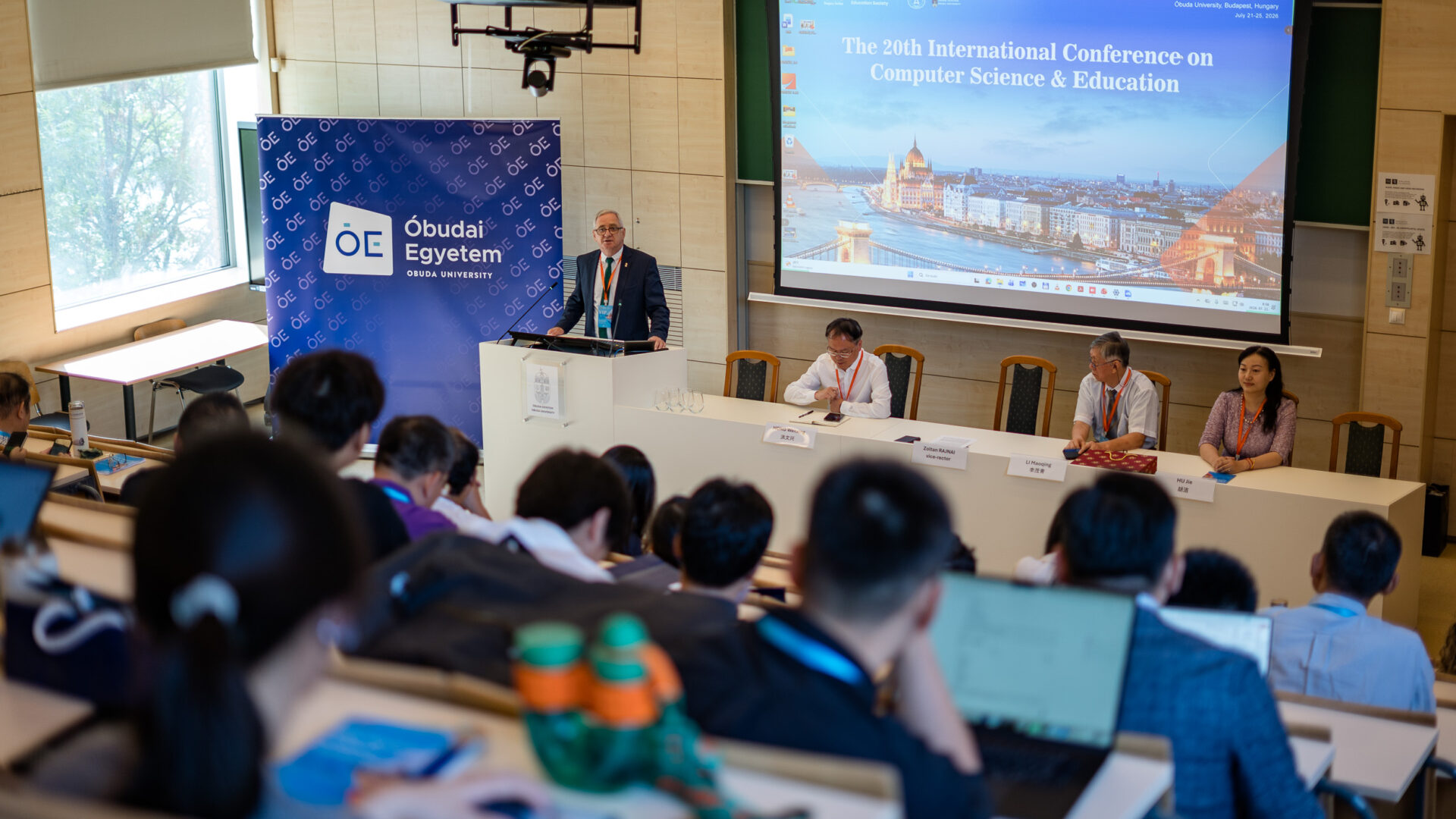
Hosting a major global academic event requires a robust institutional infrastructure, a dedicated faculty, and a proven track record in research. Óbuda University demonstrated all of these qualities when it co-organized the 20th International Conference on Computer Science and Education (ICCSE 2026) in Budapest, Hungary. Bringing together researchers from 12 countries, the conference highlighted the critical intersection of artificial intelligence, digital innovation, and modern pedagogy. For academics, tech professionals, and aspiring students, understanding the outcomes of this conference provides a clear window into the future of AI Education and the expanding influence of Óbuda University in the realm of International Science.
Understand the Scope of ICCSE 2026 in Hungary
Organized in cooperation with prominent Chinese universities and the Chinese Association for Research in Computer Education, ICCSE 2026 marked a significant milestone as the event celebrated its 20th anniversary. Choosing Budapest as the host city was a deliberate acknowledgment of Hungary‘s growing reputation as a central hub for technological research in Europe. With technical support provided by the IEEE Hungary Section, the conference maintained rigorous academic standards while facilitating broad discussions across multiple disciplines.
The event attracted hundreds of researchers, educators, and industry professionals. Unlike smaller, highly niche symposiums, ICCSE 2026 offered a comprehensive program featuring scientific presentations, thematic workshops, invited plenary lectures, poster sessions, and panel discussions. This diverse format allowed attendees to not only present their own findings but also to critically evaluate the work of their international peers. For students considering where to study computer science or artificial intelligence, the sheer scale and quality of an event hosted by Óbuda University serve as a strong indicator of the institution’s academic standing and industry connections.
Schedule a free consultation to learn more about studying in Hungary.
Key Themes in AI Education Discussed at the Conference
The central theme of the 2026 conference was “AI-Driven Educational Digital Innovation along the Belt and Road.” This theme directed the focus of presenters toward practical, scalable applications of artificial intelligence in learning environments. Rather than focusing solely on theoretical mathematics, the discussions prioritized how machine learning and data analytics can directly improve educational outcomes.
Machine Learning and Generative AI Applications
A substantial portion of the conference agenda was dedicated to the rapid advancement of machine learning, deep learning, and large language models (LLMs). Presenters explored how generative artificial intelligence is moving beyond simple text generation to become a personalized tutoring tool. Researchers shared case studies where deep learning algorithms were used to adapt course materials in real-time based on individual student performance metrics.
The discussions also addressed the ethical implications of using generative AI in classrooms. As these tools become more prevalent, educational institutions must develop clear guidelines to maintain academic integrity while still leveraging AI to enhance learning. The consensus at ICCSE 2026 was that universities must proactively integrate these technologies into their curricula, ensuring graduates are prepared to work alongside AI rather than be replaced by it. This proactive approach to AI Education is a core philosophy at Óbuda University, which actively incorporates cutting-edge AI research into its degree programs.
Digital Learning and Learning Analytics
Alongside generative AI, learning analytics emerged as a critical topic. By analyzing vast amounts of data generated by students interacting with digital platforms, educators can identify bottlenecks in comprehension and intervene before a student falls behind. Conference attendees examined sophisticated data models that predict student success rates and recommend tailored study plans.
For professionals already working in educational technology, these sessions provided actionable insights into building more effective digital learning environments. The shift from traditional lectures to data-driven, interactive digital platforms requires new software architectures and a deep understanding of user experience design. Óbuda University researchers contributed significantly to this track, showcasing proprietary tools developed within their own research centers that are currently being tested in Hungarian classrooms.
Building International Science Partnerships in Budapest
While the presentations and workshops formed the academic core of the event, the peripheral meetings held during ICCSE 2026 were equally impactful. High-level academic conferences function as vital networking hubs where the frameworks for future International Science collaborations are established.
Collaboration with Global Institutions
Throughout the conference, numerous bilateral professional meetings took place. These closed-door sessions focused on securing funding for joint research projects, establishing faculty exchange programs, and creating dual-degree pathways for students. The presence of the Chinese Association for Research in Computer Education underscored the importance of East-West academic partnerships. By bridging European and Asian academic communities, Óbuda University is positioning itself as a neutral, collaborative ground for global research initiatives.
Strengthening European Higher Education Networks
A notable highlight of the partnership discussions was the meeting between Prof. Dr. Levente Kovács, Rector of Óbuda University, and Prof. Dr. Mehmet Saltan, Rector of Süleyman Demirel University in Türkiye. Their discussions centered on the future of European higher education cooperation, specifically focusing on the role of institutions within European university alliances. The two leaders explored opportunities for collaboration through the Union of Turkic Universities, reaffirming their commitment to strengthening partnerships through new research projects and expanded student and staff mobility programs.
This type of institutional diplomacy is crucial for students. When universities build strong alliances, students gain access to a wider array of exchange programs, diverse research opportunities, and international internship placements. Studying at a highly connected institution like Óbuda University effectively multiplies the resources available to a student.
Submit your application today to join a globally connected research community.
Why Óbuda University Leads in Technology and Research
Hosting an event of the magnitude of ICCSE 2026 is not a random occurrence; it is the result of years of strategic investment in research infrastructure. Óbuda University has consistently prioritized the development of its Science and Innovation Parks, its University Research and Innovation Center, and specialized facilities like the Cyber Medicine Competence Centre. These centers provide the physical and intellectual spaces necessary for researchers to secure international grants and produce high-impact publications.
Furthermore, the university’s commitment to an innovation ecosystem—evidenced by initiatives like the Obuda University Venture Capital fund and Initium Venture Labs—demonstrates a clear pathway from academic research to commercial application. Students and faculty are encouraged to spin off their technological discoveries into viable startups. This entrepreneurial spirit, combined with rigorous academic standards, creates a dynamic environment where theoretical computer science meets practical engineering.
The recognition bestowed upon Óbuda University by the international community, as evidenced by its selection as a co-organizer for this prestigious IEEE-backed conference, reinforces its high standing in global rankings. For prospective students evaluating engineering and computer science programs in Central Europe, this institutional prestige translates directly into a more valuable degree and better career prospects.
Explore our related articles for further reading on technology research in Hungary.
Prepare for the Next Generation of Digital Innovation
The discussions at ICCSE 2026 make it clear that the boundaries between computer science, artificial intelligence, and educational theory are dissolving. Future innovators will need to possess a hybrid skill set that includes programming, data literacy, cognitive science, and an understanding of pedagogical principles. As the Chinese co-organizers noted during the closing event, the future of higher education relies heavily on openness, international partnerships, and knowledge sharing.
For individuals looking to enter this rapidly evolving field, the lessons from ICCSE 2026 provide a clear roadmap. First, prioritize institutions that are actively involved in international research, as these schools offer the most current curricula. Second, seek out programs that emphasize practical, data-driven applications of AI over purely theoretical study. Finally, take advantage of international exchange programs to build a global professional network early in your career.
Óbuda University continues to provide the environment necessary to execute this roadmap. By maintaining a strong presence in International Science and continuously refining its approach to AI Education, the institution ensures its graduates are equipped to lead the next wave of digital innovation.