
Biochemistry Without Borders: How the University of Debrecen Strengthens International Research in Hungary
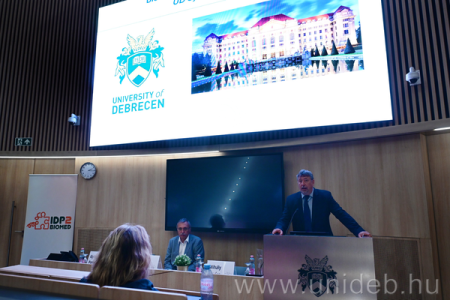
When nearly 200 researchers from 20 countries gather under one roof to share findings, debate methodologies, and build partnerships, the result extends far beyond a three-day event. It shapes the trajectory of an entire scientific discipline. In August 2026, the University of Debrecen demonstrated exactly what is possible when a institution commits itself to fostering borderless scientific exchange. The university hosted the annual meeting of the Hungarian Biochemical Society in conjunction with the international conference “Biochemistry Without Borders 2026,” positioning itself—and Hungary—as a significant hub for international research in the life sciences.
For researchers, students, and professionals watching the evolution of biochemistry as a field, this conference offers important lessons about collaboration, mentorship, and the future of molecular science. Here is what took place, why it matters, and what it signals for the broader scientific community.
Why the University of Debrecen Chose to Host a Global Biochemistry Conference
The Learning Center at the University of Debrecen opened its doors on Wednesday, August 26, welcoming researchers, faculty members, and industry experts from across the globe. The event ran through Friday, structured entirely in English to accommodate the diverse, international audience.
László Csernoch, acting director of the Institute of Physiology at the university’s Faculty of General Medicine, captured the essence of the gathering in his welcoming remarks: a conference remains the best venue for genuine scientific interaction. Even in an era of video calls and digital collaboration tools, in-person attendance continues to offer unmatched opportunities for spontaneous discussion, relationship building, and the kind of intellectual friction that drives discovery forward.
Hosting an event of this scale also carries strategic importance. Internationally recognized researchers and educators work at universities across Hungary, and bringing the global biochemistry community to Debrecen allows Hungarian scientists to showcase their work while simultaneously gaining exposure to cutting-edge international research trends. This bidirectional exchange strengthens the domestic research ecosystem and raises the international profile of Hungarian institutions.
Are you interested in following developments at one of Central Europe’s leading research universities? Explore the University of Debrecen’s ongoing news and research updates to stay informed about future events and academic opportunities.
The Scope and Structure of Biochemistry Without Borders 2026
The conference program reflected the breadth and depth of contemporary biochemistry. Organizers structured the event across nine thematic sections, featuring 42 oral presentations and 96 poster presentations delivered by both Hungarian and internationally recognized experts.
Key Research Areas Covered at the Conference
The sessions addressed several of the most dynamic and consequential areas in modern molecular science:
- Lipids and membrane functions — Critical for understanding cellular architecture, signaling, and drug delivery mechanisms.
- Genomics — Advancing our ability to read, interpret, and eventually edit genetic information.
- Cell-level communication — Exploring how cells coordinate behavior in health and disease.
- Diseases and molecular therapies — Translating fundamental biochemical knowledge into clinical applications.
- Protein sciences — Investigating the structure, function, and interactions of the molecular machines of life.
- Gene regulation — Understanding how cells control which genes are active and when.
- Applied translational research — Bridging laboratory discoveries and patient-facing treatments.
György Panyi, acting associate dean for academic affairs at the Faculty of General Medicine, noted that the presentation topics ranged from classical biochemistry through bioinformatics to translational research—an area the University of Debrecen is actively working to develop further. His remarks to young researchers emphasized the value of open-mindedness and learning from experienced speakers, a reminder that scientific growth depends as much on mentorship as on individual effort.
If your work intersects with any of these research areas, consider reviewing conference proceedings and related publications to identify collaboration opportunities or gaps where your own contributions could make an impact.
Investing in the Next Generation of Biochemists
One of the most noteworthy aspects of the conference was the University of Debrecen’s deliberate investment in early-career scientists. Beáta Lontay, associate professor at the Institute of Medical Chemistry, highlighted that the university provided scholarships enabling PhD students to attend the event. This kind of institutional support removes financial barriers that often prevent young researchers from participating in international scientific gatherings.
Additionally, the university awarded the University of Debrecen Symposium Prize, further reinforcing its commitment to recognizing and encouraging excellence in biochemical research. These initiatives reflect a broader understanding within the scientific community: the future of biochemistry depends on cultivating talented young investigators and giving them platforms to present their work, receive feedback, and build professional networks.
The Hungarian Biochemical Society itself continues to grow, with membership now exceeding 1,000 and new member numbers rising steadily. Mihály Kovács, professor and deputy director of the Institute of Biology at ELTE’s Faculty of Science, introduced the society’s junior section during the conference—a clear signal that the organization is actively building pathways for students and early-career professionals.
Are you a graduate student or early-career researcher looking to expand your professional network? Reach out to scientific societies in your field and ask about junior sections, conference scholarships, and poster presentation opportunities.
Honoring Excellence: Awards Presented at the Conference
Scientific conferences serve an important function beyond presenting new data—they also recognize sustained contributions to the discipline. This year’s event featured two significant honors from the Hungarian Biochemical Society:
The Béla Tankó Award
László Virág, university professor and director of the Institute of Medical Chemistry at the University of Debrecen’s Faculty of Medicine, received the Béla Tankó Award. This recognition honors his outstanding domestic and international contributions to biochemistry and his service to the professional community.
The Lifetime Achievement Award
Viktor Dombrádi, professor emeritus at the Institute of Medical Chemistry, received the Lifetime Achievement Award, also named after the renowned biochemist Béla Tankó. Dombrádi’s career represents decades of dedication to biochemical research and education in Hungary.
Both awardees delivered presentations at the conference, sharing insights drawn from years of scientific inquiry. Their participation underscored the continuity between generations of researchers—a hallmark of a healthy scientific community.
Global Perspectives: Contributions from International Leaders
The international dimension of the conference was exemplified by Michele Vendruscolo of the University of Cambridge, who provided a comprehensive overview of current challenges and innovations in biochemistry. Presentations of this caliber expose Hungarian researchers to methodologies, questions, and perspectives that may not be readily available within domestic circles alone.
This type of knowledge transfer works in both directions. International visitors gain insight into the research strengths of Hungarian institutions, potentially opening doors for future collaborations, joint publications, and exchange programs. Over time, these connections compound, creating networks that benefit individual careers and institutional reputations alike.
For anyone considering international research collaboration or study in Central Europe, events like this one demonstrate that Hungary’s academic institutions actively engage with the global scientific community. Have questions about research opportunities at Hungarian universities? Write to the relevant department or international office—institutions like the University of Debrecen maintain dedicated channels for prospective students and collaborating researchers.
What Biochemistry Without Borders Signals for Hungary’s Scientific Community
The successful execution of this conference carries implications that extend well beyond the event itself.
Strengthening Hungary’s Position in International Research
Hosting a major international conference requires significant institutional capability: adequate facilities, organizational expertise, financial backing, and—most importantly—research credentials that merit international attention. The University of Debrecen’s ability to draw participants from 20 countries confirms its standing within the European research landscape.
Advancing Translational Research Capacity
The explicit focus on translational research within the conference program aligns with broader trends in the life sciences, where the pressure to convert basic discoveries into clinical applications continues to grow. Panyi’s comment that the University of Debrecen aims to develop its translational research capacity suggests the institution views this conference partly as a catalyst for internal strategic development.
Modeling Collaborative Scientific Culture
Perhaps most importantly, the conference modeled the kind of collaborative, open scientific culture that accelerates progress. When researchers share methods openly, when senior scientists mentor junior colleagues, and when institutions invest in making participation accessible, the entire discipline benefits.
If you found this overview of international biochemistry research valuable, share this article with colleagues or students who might benefit from learning about opportunities in Hungary’s growing scientific community.
Lessons for Researchers and Institutions Worldwide
The “Biochemistry Without Borders” conference at the University of Debrecen offers several transferable insights for anyone involved in academic research or institutional leadership:
- Prioritize in-person engagement. Digital tools have their place, but the spontaneous interactions that occur at physical conferences remain irreplaceable for building trust and generating new ideas.
- Invest in early-career researchers. Scholarships, prizes, and dedicated junior sections signal to young scientists that they belong in the professional community—and they are more likely to stay and contribute.
- Combine domestic and international agendas. Pairing a national society meeting with an international conference maximizes value for all participants and elevates the profile of both.
- Align conference themes with institutional strategy. By emphasizing translational research, the University of Debrecen connected the event to its own development goals, creating lasting institutional benefit.
- Honor contributions visibly. Awards like the Béla Tankó Award preserve institutional memory and inspire continued excellence.
Looking Ahead: The Future of Biochemistry in Hungary and Beyond
As biochemistry continues to evolve—driven by advances in genomics, computational biology, and molecular medicine—events like “Biochemistry Without Borders 2026” play a crucial role in ensuring that progress is shared across national boundaries. The University of Debrecen’s commitment to hosting such gatherings reflects a vision of science as a fundamentally collaborative endeavor.
For students considering where to pursue biochemistry studies, for researchers seeking international partners, and for institutions looking to strengthen their global engagement, the example set in Debrecen offers a practical roadmap. The combination of rigorous science, genuine investment in young talent, and deliberate international outreach creates conditions where discovery can flourish.
Interested in learning more about biochemistry programs and research opportunities at the University of Debrecen? Visit the university’s official website, explore the Faculty of Medicine and Faculty of Science and Technology pages, and subscribe to their news feed to receive updates on upcoming conferences, application deadlines, and research initiatives. The next breakthrough in biochemistry may well emerge from the connections forged at gatherings like this one—and the community is open to those ready to contribute.