Analyze the University of Debrecen Modern History Symposium and Central European Humanities Research
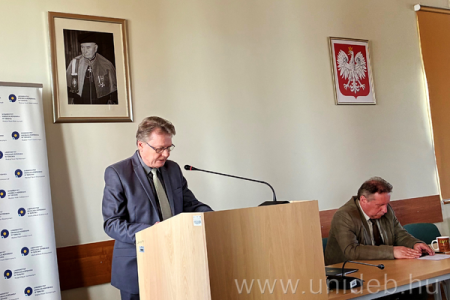
Academic collaboration serves as the foundation for advancing humanities research across national borders. The recent Modern History Symposium, jointly organized by the Institute of History at the University of Debrecen in Hungary and the Department of Military History at the Nicolaus Copernicus University in Toruń, Poland, exemplifies how structured intellectual exchanges benefit historians and students alike. This recurring international conference provides a dedicated space for scholars to present their findings, debate historical narratives, and establish cross-border research networks.
Building Academic Networks Through the Poland-Hungary Modern History Symposium
The partnership between the University of Debrecen and the Nicolaus Copernicus University did not form overnight. As noted by Róbert Barta, Director of the Institute of History at the University of Debrecen’s Faculty of Humanities, the professional collaboration between the historians of these two institutions spans over a decade. This long-term relationship has successfully yielded joint publications, fostered personal contacts, and facilitated consistent participation in various international conferences.
Hosting a bilateral international conference allows institutions to pool their academic resources and focus on specific regional histories that might otherwise receive limited attention in broader, generalized forums. By rotating the location of the Modern History Symposium between Debrecen and Toruń, both universities share the logistical responsibilities and provide their respective faculty members and students with opportunities to travel and engage with different academic environments. The choice to conduct the symposium entirely in English further ensures that the research remains accessible to a global academic audience, rather than being restricted solely to Hungarian or Polish speakers.
Schedule a free consultation to learn more about history programs and international exchange opportunities at the University of Debrecen.
Key Research Areas Presented at the International Conference
The academic value of any international conference lies in the quality and relevance of the research presented. The second iteration of the Toruń-Debrecen Modern History Symposium featured a rigorous scientific program that covered a wide chronological and thematic range of modern and contemporary history. The presentations highlighted how regional events in Central and Eastern Europe intersect with global historical shifts.
Transnational Influences: The American Revolution in Central Europe
One of the notable topics discussed was the impact of the American Revolution on Hungarian and Polish development. Studying how revolutionary ideals traveled across continents and influenced the political thought of Central European nobility and intellectuals provides crucial insights into the transnational nature of historical change. Researchers at the symposium analyzed how figures in Hungary and Poland interpreted the American struggle for independence and how those interpretations influenced their own domestic political aspirations and reform movements in the late 18th and 19th centuries.
Analyzing the Balkan Policy of Austria-Hungary
Another significant focus was the Balkan policy of Austria–Hungary. The complex geopolitical dynamics of the late 19th and early 20th centuries remain a critical area of humanities research. Scholars examined the diplomatic, military, and economic strategies employed by the Dual Monarchy in the Balkan Peninsula, analyzing how these policies contributed to regional tensions that ultimately culminated in the outbreak of the First World War. This type of research requires extensive archival work and a nuanced understanding of both regional and imperial politics.
Military History and Personal Narratives from the World Wars
Military history was a prominent component of the symposium, heavily influenced by the host institution’s Department of Military History. A particularly compelling presentation involved the diary of a soldier who fought on the Eastern Front in the First World War. Utilizing personal narratives and primary source documents allows historians to move beyond grand strategic overviews and examine the lived experiences of individuals during times of conflict.
The program also addressed the aftermath of the Second World War, specifically focusing on Polish visions of Poland after 1945 and Czechoslovak-Polish relations between the two world wars. Discussing the interwar period and the immediate post-war years helps academics understand the formation of modern Central European borders, the shifting nature of national identities, and the political realignments that occurred under the shadow of emerging Cold War geopolitics.
Elevating the Profile of the University of Debrecen Faculty of Humanities
Participating in and co-organizing an international conference of this caliber directly enhances the institutional prestige of the University of Debrecen. When faculty members from the Institute of History, such as Róbert Barta, Csaba Lévai, and Katalin Schrek, present their research alongside international peers, it demonstrates the high standard of humanities research conducted in Hungary. It also reinforces the University of Debrecen’s position as a regional hub for academic excellence in Central Europe.
Furthermore, the follow-up discussions that take place after formal presentations are often where the most productive academic exchanges occur. Debating methodology, sharing newly discovered archival sources, and receiving critical feedback from international colleagues helps researchers refine their arguments prior to formal publication. The Modern History Symposium acts as a testing ground for future academic papers and monographs that will eventually contribute to the global historical discourse.
Submit your application today to join the Faculty of Humanities and participate in world-class research initiatives.
Integrating PhD Students into the Modern History Symposium
A defining characteristic of a healthy academic department is its ability to integrate the next generation of scholars into active research environments. Director Róbert Barta explicitly noted that the University of Debrecen is pleased to host the symposium again in the spring of 2027, and crucially, that Hungarian and Polish PhD students will have the opportunity to present their work at this upcoming event.
For doctoral candidates, presenting at an established international conference is a critical step in their professional development. It requires them to synthesize complex dissertation chapters into concise, digestible presentations. Defending their research in front of established historians from multiple countries teaches them to think critically on their feet and anticipate methodological critiques. Moreover, the networking opportunities provided by these events can lead to future post-doctoral positions, joint research grants, and invitations to contribute to edited volumes. Expanding the symposium to include PhD students ensures the long-term sustainability and relevance of the Poland-Hungary academic partnership.
Securing Funding for Humanities Research and Conference Travel
The practical realities of organizing and attending international academic events often hinge on available funding. The trip of the Hungarian attendees to the recent symposium in Toruń was supported by the Scientific Fund (TUDA) of the Faculty of Humanities at the University of Debrecen. Institutional financial backing is essential for maintaining active international relations in the humanities.
Securing travel grants and research funding allows early-career researchers and established professors alike to circumvent the financial barriers that often restrict academic mobility. By allocating resources to initiatives like the Modern History Symposium, the University of Debrecen makes a clear institutional commitment to supporting international scholarship. Aspiring academics should take note of the various internal and external funding mechanisms available to them, as successfully navigating these financial pathways is a necessary skill for building a sustainable career in humanities research.
Have questions about funding your humanities research or conference travel? Write to us!
The Strategic Value of Central European Academic Cooperation
Poland and Hungary share deep historical parallels, including experiences with imperial rule, interwar state-building, and 20th-century communist regimes. These shared historical trajectories make Polish-Hungarian academic cooperation particularly fruitful. Scholars from both countries often work with similar archival systems, grapple with comparable historical myths, and face parallel challenges in interpreting their respective national histories.
By collaborating through venues like the Modern History Symposium, historians from the University of Debrecen and the Nicolaus Copernicus University can compare their findings, identify divergent national narratives, and work toward a more integrated, regional understanding of Central European history. This collaborative approach counters insular historiography and presents a more nuanced, multi-perspective view of the region’s past to the broader international academic community.
Prepare for Future Academic Events in Hungary
For researchers and students planning to attend or present at future iterations of the Modern History Symposium in Debrecen, preparation is key. Analyzing the themes of previous sessions—such as military history, transnational revolutionary impacts, and interwar diplomacy—provides a clear framework for what the organizing committees prioritize. Prospective presenters should focus on crafting rigorous abstracts that highlight their primary source bases and clearly state their contribution to existing historiography.
Engaging with the published proceedings and ongoing research outputs of the University of Debrecen’s Institute of History will help prospective attendees understand the academic culture of the institution. As the 2027 symposium approaches, paying attention to the call for papers and preparing early will ensure that interested scholars can take full advantage of this premier international conference in Hungary.
Explore our related articles for further reading on Central European history and academic events.