
University of Debrecen Strengthens Strategic Partnership with BMW Group Plant Debrecen
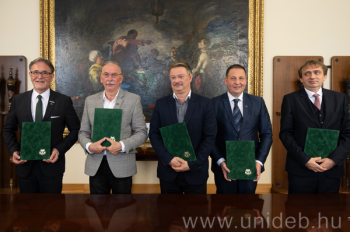
Context of the Collaboration
Since the inauguration of BMW Group’s manufacturing facility in Debrecen, the University of Debrecen has progressively deepened its ties with the automotive giant. What began as a focused engagement with the engineering faculty has matured into a university‑wide alliance, currently involving eight distinct faculties and the Agricultural Research Institutes and Experimental Farm. This breadth demonstrates that the partnership extends far beyond conventional industrial training and into a holistic integration of research, education, and regional development.
Key Objectives of the Strategic Agreement
- Professional training and skill development: Structured curricula and internship pathways prepare students for direct entry into the automotive sector.
- Joint research and innovation: Collaborative projects span engineering, natural sciences, IT, law, economics, humanities, and agriculture.
- Regional economic growth: Initiatives such as the biodiversity program and urban‑development studies aim to make Debrecen a model of sustainable industry and community life.
- Long‑term institutional transformation: The partnership informs curriculum overhaul, infrastructure upgrades, and national‑scale research agendas.
Expansion Across Disciplines
Initially limited to the Faculty of Engineering, the partnership quickly incorporated the faculties of Medicine, Health Sciences, Information Technology, Natural Sciences, Economics, Law, Political Sciences, and Arts. In addition, the University’s Agricultural Research Institutes and Experimental Farm joined the alliance, creating cross‑disciplinary research hubs that address both automotive manufacturing and modern agriculture.
Engineering and Technical Sciences
Students in mechanical, electrical, and automotive engineering now undergo hands‑on training at the BMW plant, benefiting from exposure to industry‑class machinery and real‑time debugging scenarios. The relationship also fuels laboratory upgrades, such as the Vehicle Laboratory and the renovated Chemistry Building, funded in part by state support allocated for automotive infrastructure.
Information Technology and AI
Automation and data analytics are core components of the BMW production line. The university’s new Automotive Industry and AI Coordination Institute, headed by Professor László Palkovics, enables students and researchers to collaborate on predictive maintenance algorithms, machine‑learning models for supply‑chain optimization, and cybersecurity protocols for automotive IoT systems.
Law, Economics, and Social Sciences
Business, legal, and geopolitical expertise are essential for a multinational corporation. The Faculty of Law and Political Sciences now provides specialized courses on international trade regulation, intellectual‑property rights, and corporate governance. The Faculty of Economics offers modules on industrial economics, cost‑analysis, and the financial impact of green‑mobility initiatives.
Humanities and Cultural Studies
The Faculty of Humanities’ contribution is equally vital. By fostering cross‑cultural competence, the faculty equips students with the skills to communicate with German‑speaking partners and navigate intercultural business contexts. Projects such as “Debrecen’s Urban Development in Light of BMW’s Investment” examine how a global brand reshapes local culture and inform city planning strategies.
Agriculture and Environmental Research
The partnership’s reach into sustainable agriculture exemplifies a modern view of industrial responsibility. A joint 130‑hectare biodiversity initiative on the university’s experimental farm showcases how crop diversification, soil‑health monitoring, and renewable‑energy integration can coexist with a high‑volume manufacturing footprint. The project serves as both a teaching laboratory and a living laboratory for regional policymakers.
Student and Faculty Opportunities
- Industry‑aligned internships and apprenticeships within BMW’s manufacturing and R&D units.
- Graduate fellowships focused on automotive‑related research topics.
- Joint thesis projects supervised by faculty from both the university and BMW engineers.
- Workshops on German language, business etiquette, and cross‑cultural negotiation skills.
- Access to state‑of‑the‑art laboratories and simulation tools.
Impact on Debrecen and the Hungarian Region
The collaboration has a ripple effect that extends well beyond academia. Local businesses benefit from technology transfers and new supply‑chain demands; meanwhile, the university’s expanded research capacity attracts national and international grants. The collaborative biodiversity project provides a model for sustainable agriculture that can be replicated in other Hungarian communities, aligning with the country’s commitments to environmental stewardship.
Economic Indicators
Since the partnership’s launch, local employment has risen by an estimated 5% in the automotive and agri‑tech sectors. The plant’s continued production volume boosts the region’s GDP contribution, while university‑generated patents featured in automotive design increase Hungary’s international R&D competitiveness.
Social and Cultural Benefits
Community outreach initiatives written by the Faculty of Humanities and the Law School help residents understand the socio‑economic changes brought by the plant. Cultural exchange programs, bilingual courses, and public forums nurture a shared understanding between Hungarian and German stakeholders.
Future Outlook
Both university and company leaders anticipate that the partnership will shape education and industry for the next 20–30 years. Upcoming developments include a comprehensive sustainability roadmap, increased investment in AI‑driven manufacturing processes, and a possible extension of the agreement to all twelve faculties of the University of Debrecen. The strategic cooperation is designed to be iterative, embedding short‑term achievements into a long‑term vision of shared prosperity.
Get Involved Today
Whether you are a prospective student, research partner, or local business owner, the University of Debrecen and BMW Group Plant Debrecen invite you to explore the benefits of this alliance. From advanced curriculum pathways to cutting‑edge research facilities, opportunities abound for those ready to join a future that blends industry expertise with academic rigor.
- Explore academic programs linked to the BMW partnership. Visit the course catalog.
- Submit your graduate application today. Apply online.
- Schedule a visit to the BMW Plant Debrecen. Book a tour.
- Have questions? Write to our partnership office.
- Learn more about joint research opportunities. Read our research portal.