
Pursue Dual Degrees and Joint Research at Óbuda University and Quinnipiac University
Expand Academic Horizons Through International Collaboration in Hungary
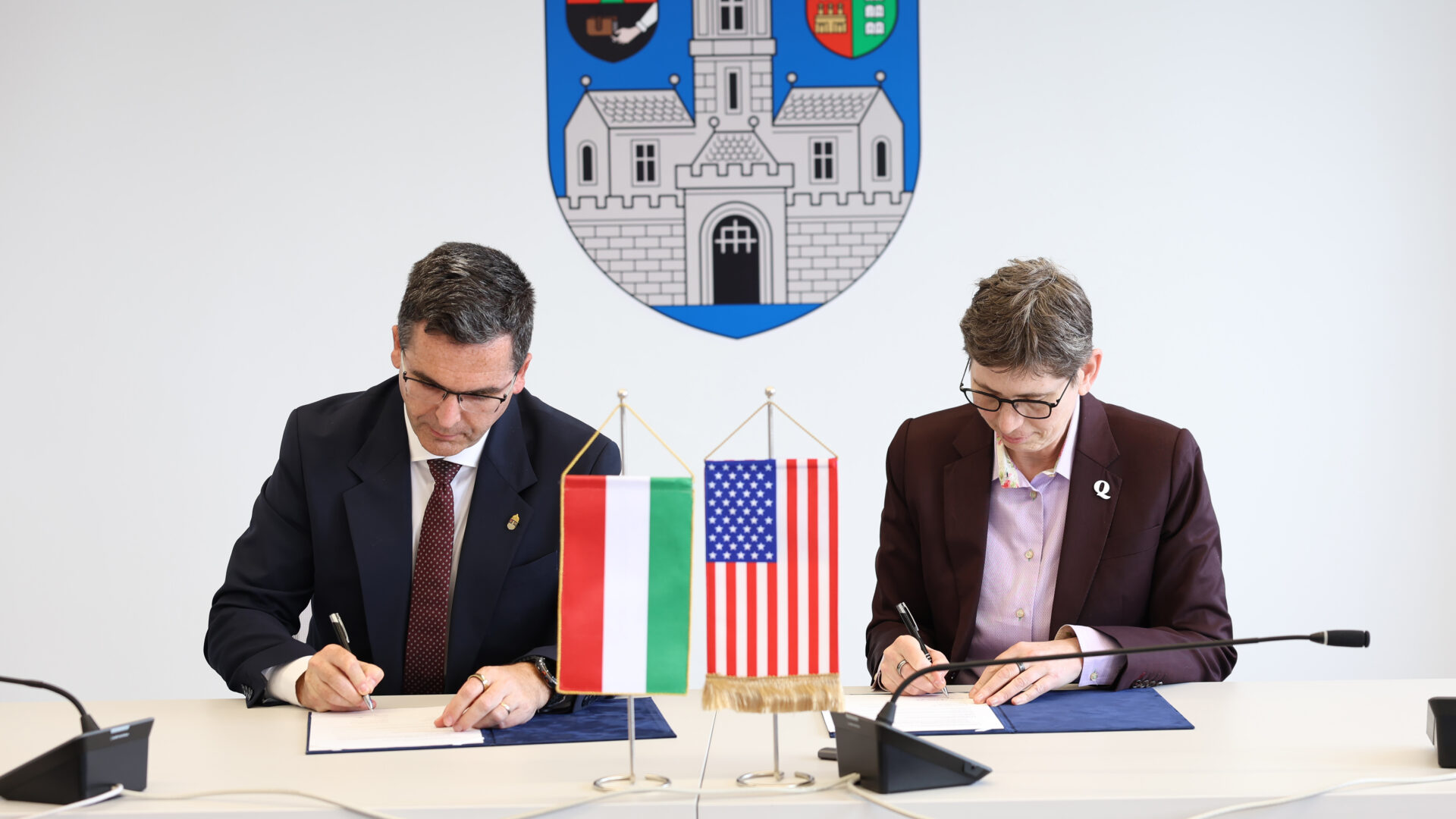
Higher education is increasingly defined by cross-border partnerships that prepare students and faculty for a highly integrated global economy. Óbuda University, a leading technical institution in Hungary, continues to deepen its international integration by establishing strategic academic networks. The university’s recent agreement with Quinnipiac University in the United States represents a significant milestone in this ongoing effort. By prioritizing international collaboration, Óbuda University is creating structured pathways for students and researchers to engage with the global scientific community without leaving the foundational strengths of the Hungarian education system.
This partnership focuses on two primary pillars: a dual master’s degree program in information technology and a dedicated joint research fund. For prospective students and academics, these initiatives offer tangible benefits, including access to dual credentials, funded research opportunities, and exposure to diverse academic methodologies. Understanding the mechanics and advantages of this partnership can help prospective students make informed decisions about their graduate education and academic careers.
Schedule a free consultation to learn more about the application requirements.
Structure and Benefits of the Dual Master’s Degree in Information Technology
The centerpiece of the partnership between Óbuda University and Quinnipiac University is the dual master’s degree program in information technology. Dual degrees are distinct from traditional study-abroad semesters or standard exchange programs. In a dual degree framework, students are concurrently enrolled at both institutions. Upon successful completion of the program requirements, graduates receive separate diplomas from both Óbuda University and Quinnipiac University, rather than a single joint diploma.
Navigating the Dual Degree Framework
Students enrolled in this information technology master’s program will complete a significant portion of their coursework in Budapest, Hungary, and a substantial segment in the United States. This structure requires careful academic planning to ensure that credit transfers align perfectly with the curriculum demands of both institutions. Óbuda University has designed this framework utilizing insights gained from its existing, successful dual degree partnerships with institutions in Slovakia and Taiwan. This proven model ensures that the administrative and academic pathways are clear, minimizing bureaucratic hurdles for the student.
For the student, this means experiencing two distinct pedagogical approaches. Óbuda University provides a strong foundation in applied engineering and computer science, deeply integrated with Central European industrial standards. Quinnipiac University contributes its expertise in the American higher education model, which often emphasizes broad-based analytical skills, interdisciplinary project work, and direct ties to the U.S. tech industry.
Gaining a Competitive Edge in the Global Labor Market
Holding credentials from two recognized universities in two different countries provides a distinct competitive advantage in the global labor market. Employers in the technology sector frequently seek candidates who can navigate multicultural work environments, understand international regulatory and business landscapes, and demonstrate adaptability. Graduates of this dual degree program can credibly demonstrate these soft skills alongside their technical IT competencies.
Furthermore, the IT sector is inherently global. Software development, cybersecurity, and data engineering projects routinely span continents. A professional who has studied in both Europe and North America brings a nuanced perspective to international tech teams, making them highly attractive to multinational corporations, transatlantic startups, and international research institutes.
Submit your application today to secure your place in this competitive program.
Drive Innovation with a $100,000 Joint Research Fund
While student education is a critical component, the partnership between Óbuda University and Quinnipiac University is equally focused on advancing scientific discovery. To facilitate this, the two institutions have established a two-year joint research fund totaling $100,000. This financial commitment underscores the seriousness of the collaboration, moving it beyond a mere memorandum of understanding into active, funded scientific enterprise.
Cross-Continental Faculty Engagement
The research fund is financed equally by both universities, ensuring a balanced investment and shared stake in the outcomes. The primary purpose of the fund is to directly support faculty work and joint projects. Even during the initial matchmaking phase of this agreement, more than 20 faculty members from both Óbuda University and Quinnipiac University expressed their intent to participate. This high level of early engagement indicates strong mutual interest and pre-existing synergies between the departments.
For faculty members, this fund provides essential seed capital. It can be used to finance preliminary data collection, purchase necessary laboratory equipment or software licenses, fund travel for in-person research meetings, and cover the costs associated with preparing and submitting high-prestige grant applications to larger international bodies like the European Union or the National Science Foundation (NSF) in the United States.
Focus Areas in Computer Science and Engineering
The joint research projects supported by this fund will target the latest fields of computer science, engineering, and applied research. While specific project proposals are developed by the faculty teams, the alignment between Óbuda University’s strong engineering heritage and Quinnipiac University’s computational expertise suggests several probable areas of focus. These may include artificial intelligence and machine learning applications, cybersecurity infrastructure, smart city technologies, and advanced data analytics.
The ultimate goal of these collaborative projects is the co-authorship and publication of high-prestige, joint scientific publications. Publishing in top-tier, peer-reviewed international journals elevates the global visibility of the research conducted at Óbuda University. It also solidifies the academic reputations of the faculty involved and enhances the prestige of the degrees earned by students who participate in these research labs.
Why Choose Budapest and Óbuda University for STEM Studies
The success of any international program relies heavily on the location of the participating institutions. From the perspective of an international student, particularly those coming from outside Europe, Budapest offers a highly compelling combination of academic rigor and quality of life.
The Strategic Advantage of Studying in Hungary
Budapest is recognized as a safe, affordable, and internationally accessible European capital. For students pursuing demanding STEM degrees, the cost of living is a practical consideration. Budapest provides a high standard of living—including housing, transportation, and cultural amenities—at a fraction of the cost of Western European or North American tech hubs. This affordability allows students to focus fully on their academic and research obligations without the compounding stress of excessive living expenses.
Additionally, Hungary has cultivated a robust technology and startup ecosystem. The country is home to numerous international tech company headquarters, software development centers, and innovation parks. This local ecosystem provides valuable internship and networking opportunities for IT students at Óbuda University, bridging the gap between theoretical study and practical industry application.
Leveraging the Central European Institute Bridge
A critical component of this partnership is the role of Quinnipiac University’s Central European Institute. Prof. Dr. Levente Kovács, Rector of Óbuda University, highlighted that this institute forms an excellent bridge between the Central European region and the United States in the fields of educational, cultural, and economic exchange programs. The existence of a dedicated institute ensures that the partnership is not an ad-hoc arrangement but a strategically managed relationship with institutional backing. This infrastructure guarantees continuous support for student mobility, faculty exchanges, and the logistical coordination required for dual degrees to function smoothly.
Build a Long-Term Strategic Partnership Model
According to the leadership of both institutions, this agreement is not a short-term experiment but the beginning of a long-term, strategic partnership. The framework is specifically designed to provide continuously expanding opportunities for student mobility, faculty research, and academic innovation.
Óbuda University intentionally designed the Quinnipiac partnership based on the model of its successful partnerships in Slovakia and Taiwan. This replication of a proven framework minimizes institutional risk and accelerates the launch of the program. By standardizing how dual degrees and joint research funds are managed, the university streamlines the experience for everyone involved, from the admissions office processing applications to the faculty members managing research budgets.
This strategic approach ensures the long-term viability of the framework. As the initial cohort of IT students progresses through the dual degree program, their feedback and outcomes will be used to refine the curriculum. Similarly, as the first round of joint research projects yields publications and data, the scope of the research fund can be expanded or renewed in future cycles.
Take the Next Steps in Your International Academic Career
The strengthening of ties between Óbuda University and Quinnipiac University represents a concrete, actionable opportunity for aspiring IT professionals and researchers. By offering a structured dual degree in information technology backed by a substantial joint research fund, the partnership delivers clear value. Students gain two recognized credentials and international experience, while faculty gain the resources necessary to produce high-impact global research.
Choosing a graduate program is a major decision that impacts your professional trajectory for decades. Programs that incorporate international collaboration directly into their structure provide a return on investment that extends far beyond the classroom. They build professional networks that span continents, expose students to varied problem-solving methodologies, and result in resumes that stand out in a crowded global marketplace.
If you are evaluating master’s programs in information technology and want an experience that combines the technical rigor of a leading Hungarian university with the expansive network of a U.S. institution, this dual degree pathway warrants serious consideration. Review the specific prerequisites, prepare your academic documents, and reach out to the international education offices to understand the timeline for the next enrollment cycle.
Explore our related articles for further reading on studying in Hungary.