Miklós Bánhidi Represents the Hungarian University of Sports Science at International Conferences in Bali and Indonesia
Summer 2026 marked a significant period of international engagement for the Hungarian University of Sports Science (HUSS). Dr. Miklós Bánhidi, Associate Professor at the Department of Recreation and Active Lifestyle and head of the World Leisure Youth Ambassador programme, travelled to Southeast Asia to represent the university at two major international conferences — first in Bali and later in Indonesia. At both events, he served as an organiser and a speaker, presenting research that connects leisure science, digital innovation, and community development. For students, researchers, and professionals who monitor global trends in sports science and recreation, his participation highlights how Hungarian expertise continues to shape conversations far beyond Central Europe.
This article examines what took place at each conference, why the research presented matters, and how students and early-career academics can benefit from the partnerships these events created.
A Summer of Academic Diplomacy for the Hungarian University of Sports Science
International conferences serve a purpose that goes well beyond presenting papers. They create spaces where universities build partnerships, students discover mobility opportunities, and research finds real-world applications. Dr. Bánhidi’s summer schedule reflected all three goals.
Between 17 and 27 July, he participated in an international conference and workshop in Bali focused on sustainable community development. Less than a month later, on 27 August, he delivered a keynote presentation at the 11th TEAMS International Hybrid Conference in Indonesia. In both cases, his involvement was hands-on: helping to shape the programme, contributing to workshop sessions, and presenting findings from collaborative research projects.
For HUSS, a university with a long tradition in physical education and sport science in Hungary, this kind of visibility matters. It signals to prospective international students and partner institutions that the university’s expertise extends into leisure studies, recreation management, and community wellbeing — fields that increasingly overlap with sport science on the global stage.
Bali Conference: Placing Sustainable Community Development at the Centre
The Bali event ran for more than a week and combined conference sessions with practical workshops, an approach that encourages deeper exchange between participants. The central theme — sustainable community development — sits at the heart of contemporary leisure research, as communities worldwide look for ways to improve quality of life while protecting cultural and natural resources.
Research Spotlight: Digital Maturity of Leisure Organisations
At the conference, Dr. Bánhidi and Roland Szabó, lecturer at Széchenyi István University, presented their joint research entitled “Digital Maturity of Leisure Organisations and Sustainable Development.” The study addresses a timely question: how prepared are leisure organisations — from community sports clubs to wellness centres and municipal recreation services — to use digital tools in ways that support long-term sustainability?
Digital maturity in this context refers to more than simply having a website or a social media account. It describes how strategically an organisation integrates digital technologies into planning, communication, service delivery, and evaluation. Leisure organisations with high digital maturity can respond faster to changing community needs, measure participation more accurately, and design programmes that remain relevant as demographics and lifestyles shift.
The connection to sustainable development is direct. Organisations that monitor their operations digitally can identify inefficiencies, reduce waste, and allocate resources where they generate the greatest community benefit. In tourism-driven regions such as Bali, where leisure services intersect with environmental and cultural preservation, these questions carry particular weight.
Building Bridges Between Budapest and Bali
Dr. Bánhidi made clear that his participation served strategic goals for the Hungarian University of Sports Science as well.
“My participation in the conference in Bali was important not only because I had the opportunity to present our research, but also because I wanted to strengthen HUSS’s international partnerships. I also wanted to offer HUSS students opportunities for joint research and professional internships in Bali,” he explained.
These comments point to tangible outcomes: potential joint research projects between Hungarian and Indonesian institutions, and professional internships that would give HUSS students first-hand experience in an international leisure and community development environment. For students in recreation, sport management, and related programmes, such mobility experiences can be career-defining.
Follow the official HUSS news archive and event calendar to monitor upcoming conferences, application deadlines, and student mobility opportunities as they are announced.
Indonesia’s TEAMS Conference: A Keynote on Quality of Life
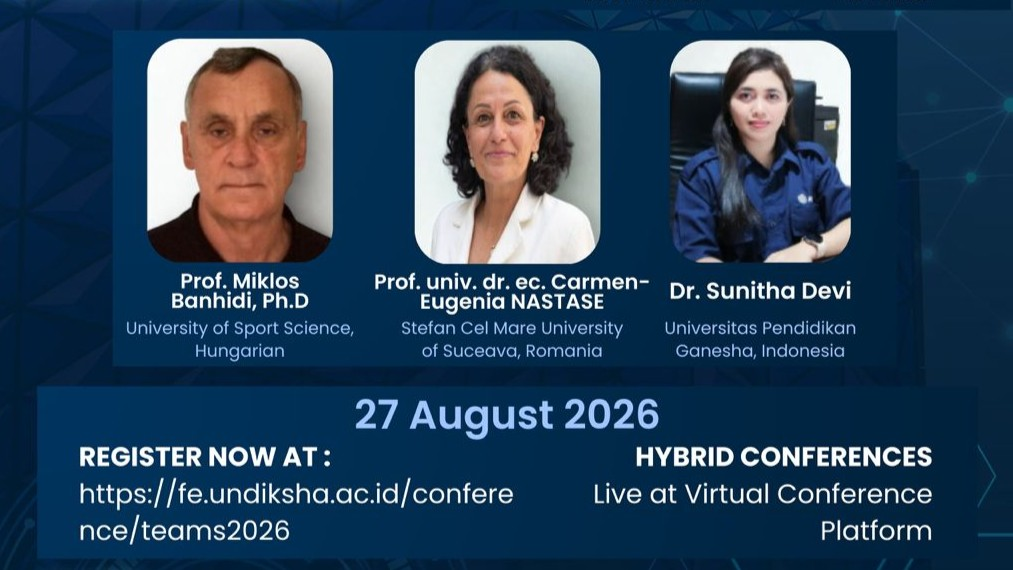
On 27 August, attention shifted from Bali to Indonesia, where the 11th TEAMS (Tourism, Economic, Accounting, Management and Social Science) International Hybrid Conference took place. The hybrid format allowed participants to join both in person and online, widening access for academics who monitor developments across multiple regions and reducing the barriers that often keep early-career researchers away from international events.
This year’s theme — “Building Resilient and Inclusive Economies: Digital Innovation, Sustainable Business Practices and Social Responsibility in an Era of Global Transformation” — brought together perspectives from economics, management, tourism, and the social sciences. Dr. Bánhidi’s keynote presentation, entitled “Community Development for Improving the Quality of Life of the Future,” connected leisure science to this broader economic agenda.
Why Community Development Belongs in Economic Conversations
The keynote’s central argument reflects a growing consensus in research and policy: resilient economies depend on healthy, engaged communities. Recreation programmes, public spaces, and leisure services are not luxuries; they contribute to physical and mental health, social cohesion, and local economic activity. When communities invest in quality of life, they become more attractive places to live, work, and visit.
By delivering this message at a multidisciplinary conference, Dr. Bánhidi helped position sport and leisure science within discussions usually dominated by economics and management — exactly the kind of cross-sector dialogue that international conferences are designed to encourage.
What These International Conferences Mean for Students and Researchers
Behind the keynote speeches and research presentations lies a practical message for students and early-career researchers: international conferences are accessible, valuable, and often career-shaping. HUSS students, in particular, stand to benefit from the relationships formed during this summer’s events.
Consider the concrete opportunities now on the table:
- Joint research projects linking HUSS with Indonesian institutions working on community development and sustainable tourism.
- Professional internships in Bali, offering practical experience in leisure organisations operating in a unique cultural and environmental context.
- The World Leisure Youth Ambassador programme, which Dr. Bánhidi leads, giving young professionals a structured entry point into the global leisure community.
- Exposure to hybrid conference formats, which lower the cost and environmental impact of academic participation for students worldwide.
Students at the Hungarian University of Sports Science who are interested in recreation, leisure management, or sport-based community development should pay close attention to these channels. Opportunities like these rarely announce themselves twice, and the students who act early tend to secure the strongest positions.
Practical Lessons for Presenting at International Conferences
Dr. Bánhidi’s summer also offers a useful case study for academics preparing their own international conference submissions. Several practices stand out:
1. Combine research presentation with partnership building
Attending a conference solely to deliver a paper limits its value. Set partnership goals before travelling: identify institutions with complementary research interests and initiate conversations early.
2. Collaborate across institutions
The Bali presentation paired HUSS with Széchenyi István University, strengthening domestic cooperation while projecting a united Hungarian research presence abroad. Cross-institutional authorship also widens the professional network attached to any single study.
3. Choose themes with global relevance
Digital maturity, sustainability, and quality of life resonate across continents. Research framed around shared global challenges travels further and attracts more diverse collaborators than narrowly local topics.
4. Follow up after the event
Partnerships form in the weeks after a conference, not during it. Prompt follow-up messages, shared project outlines, and concrete proposals — such as internship frameworks — convert introductions into lasting collaborations.
Hungary’s Growing Voice in Global Sports Science
These conference appearances fit within a broader pattern. Hungary, and Budapest in particular, has become an active hub for sport science exchange. HUSS regularly hosts international gatherings, from biomechanics symposia addressing sport and ageing to international student science conferences and events dedicated to sport innovation. The university also participates in numerous international projects covering topics from dual careers for athletes to sport diplomacy and sport for sustainable development.
When HUSS faculty members present abroad, the relationship is reciprocal: they carry Hungarian expertise outward and bring international perspectives back to Budapest, enriching the education offered to both Hungarian and international students. Those who monitor European higher education will recognise this two-way exchange as a hallmark of a maturing international university, supported by a strong research infrastructure and an active doctoral school.
Looking Ahead: Turning Conference Momentum into Opportunity
The summer of 2026 demonstrated how a single department — in this case, Recreation and Active Lifestyle — can extend a university’s reach across two continents. The research presented in Bali and Indonesia addresses questions that will only grow in importance: how leisure organisations adapt to digital realities, and how community development shapes quality of life for future generations.
For prospective students, the message is equally clear. Studying at an institution that actively participates in international conferences opens doors to research collaborations, internships, and professional networks that a classroom alone cannot provide.
Explore HUSS’s international study programmes and discover how you can join a university community with a genuine global footprint. Details on courses, scholarships, and mobility options are available through the university’s international admissions portal.
Have questions about studying or researching at the Hungarian University of Sports Science? Write to us — the International Studies Office supports applicants and enrolled students at every stage. And if you have attended international conferences yourself, share your experiences in the comments below; your insights may help the next generation of researchers take their first confident step onto the global stage.