Learn Hungarian Language at the University of Debrecen Summer School in Hungary
Learning a new language requires structured instruction, consistent practice, and an environment that encourages daily application. For students aiming to master the Hungarian language, attending a specialized summer course in Hungary provides an effective and immersive pathway. The University of Debrecen hosts one of the most established and comprehensive language programs in the region through its Debrecen Summer School. This program attracts a diverse international student body and offers a rigorous academic curriculum paired with deep cultural integration.
Schedule a free consultation to learn more.
Understand the Structure of the Debrecen Summer School Program
Evaluate the curriculum design before committing to a language program. The Debrecen Summer School organizes its instruction to accommodate various fluency levels, ranging from absolute beginner to advanced and near-native speakers. Prior to arrival, students complete online placement tests. These assessments allow the faculty to accurately assign students to appropriate learning groups, ensuring that the instruction pace matches their current capabilities.
The summer course typically spans four weeks, offering flexible attendance options. Students can commit to the full four-week duration, or they can opt for a condensed two-week module during either the first or second half of the program. During the initial two weeks, the program typically organizes around seven distinct study groups. In the latter half, this expands to ten groups to accommodate shifting dynamics and specific linguistic focuses. This modular approach makes the program accessible to working professionals, university students, and educators who may have limited scheduling flexibility.
Submit your application today.
Explore Cultural Immersion Activities Beyond the Classroom
Language acquisition extends far beyond textbook exercises and grammar drills. The organizers of the Debrecen Summer School structure the afternoons and weekends to provide hands-on cultural experiences that reinforce classroom learning. Understanding the cultural context of the Hungarian language accelerates comprehension and improves retention.
Integrate Folklore and Regional Traditions
Each Monday during the program is dedicated to folklore. Students engage with the diverse regional traditions of the Carpathian Basin. This includes listening to and learning local folk songs, practicing traditional dances, and tasting regional dishes. By interacting with these traditions, students develop a more nuanced understanding of Hungarian idioms and historical references that frequently appear in everyday conversation.
Participate in Culinary Workshops
Gastronomy plays a central role in Hungarian culture, and the summer course integrates this into its curriculum. Friday sessions often focus on culinary arts. For example, students might attend a themed “beach party” where they not only eat traditional fried flatbread known as lángos but also learn the exact recipes and techniques required to make it. Other practical workshops include preparing dill pickled cucumbers, offering students a taste of Hungarian home life that they can recreate in their home countries.
Experience Historical Sites and Traditional Crafts
Weekend day trips provide a change of scenery and practical language application. In the village of Sáránd, students learn to roll traditional snailshell-shaped pasta and explore historical wedding menu preparations. A visit to the open-air museum in Nyíregyháza allows participants to play traditional village games and visit a historical apothecary, where they can formulate and mix their own ointments. These excursions require students to navigate real-world situations, practice their conversational skills, and interact with local historians and artisans.
Identify the Ideal Candidate for a Hungarian Language Summer Course
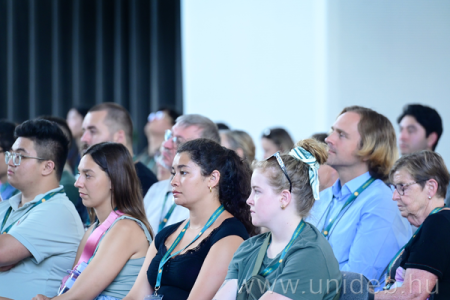
Analyze the demographic data of recent cohorts to determine if this program aligns with your background and goals. The recent 99th summer course hosted nearly one hundred students from thirty-one different countries. The age range is notably broad, spanning from fifteen to eighty years old, proving that language learning has no age barriers.
The majority of attendees are native English speakers arriving from Canada, the United States, Australia, and the United Kingdom. However, the program also draws significant numbers of native German, Slovak, and Asian students. A distinct subset of the student body includes Hungarian language majors and current teachers of Hungarian from countries like Poland and Slovenia. These individuals often attend on specialized scholarship grants to refine their pedagogical skills and deepen their subject matter expertise.
Additionally, the program maintains a strong connection with the Hungarian diaspora. The Hungarian Reformed Diaspora Center, an official partner of the summer school, actively supports the program. With approximately two and a half million people of Hungarian descent living abroad—primarily in Western Europe, the Americas, and Israel—the summer course serves as a vital link for individuals seeking to reconnect with their ancestral heritage, preserve their historical documents, and pass the language on to future generations.
Navigate the Application and Scholarship Process
p>Securing funding is a critical step for many international students. The Debrecen Summer School and the University of Debrecen administer a variety of financial aid options to offset tuition and living costs. During the recent opening ceremony, thirty-nine students received scholarship certificates, demonstrating the program’s commitment to financial accessibility.
Twenty of these awards were Tempus scholarships, which are highly competitive and require early preparation. The remaining nineteen were local scholarships funded by a coalition of local and institutional partners, including the City of Debrecen, the Rector of the University of Debrecen, the Dean of the Faculty of Humanities, the Bishop of the Trans-Tibiscan Reformed Church District, and the Director of the Summer School. Prospective students should research these specific avenues well in advance of the application deadline and prepare compelling essays that outline their academic goals and ties to Hungarian culture.
Have questions? Write to us!
Maximize the Academic Resources at the University of Debrecen
p>Attending the summer course provides a direct pipeline to the broader academic offerings of the University of Debrecen. Founded in 1927 by three distinguished professors from the Faculty of Humanities, the Debrecen Summer School maintains a tight-knit relationship with the university. Today, the University of Debrecen operates thirteen faculties and serves thirty-five thousand students across nearly the entire academic spectrum.
p>For international students considering a full-degree program, the summer course acts as an extended orientation. The Faculty of Humanities has seen a steady increase in international enrollment in its bachelor’s and master’s programs over the past three years, a trend partially attributed to the success of the summer school. Faculty members actively support summer school participants, and the university provides specific scholarship grants to encourage summer attendees to transition into full-degree seeking students. Take advantage of this time to network with faculty, discuss degree pathways, and familiarize yourself with the campus infrastructure.
Prepare Effectively for Your Time in Hungary
p>Set clear expectations and prepare logistically to ensure a successful academic experience. Debrecen is a major cultural hub in eastern Hungary, offering numerous museums, such as the Déri Museum, and contemporary art spaces like MODEM. The city also hosts large events like the Campus Fesztivál, a major pop music festival that often overlaps with the summer course dates.
p>Before arriving, focus on building a foundational vocabulary. While the summer course accommodates beginners, students who familiarize themselves with basic pronunciation rules and common phrases will reduce their initial cognitive load. Additionally, research the logistics of living in Debrecen for a month, including local transportation, housing options, and budgeting for weekend excursions. Engaging with the language before you arrive allows you to spend your classroom time focusing on complex grammar and conversational fluency rather than basic survival phrases.
Plan for the 2027 Centennial Celebration at the University of Debrecen
p>Look ahead at the institutional milestones to align your academic timeline with unique opportunities. The Debrecen Summer School will celebrate the centennial anniversary of its foundation in 2027. To mark this occasion, the organizers are planning a major international conference focused on the methodology and practice of teaching Hungarian as a foreign language.
p>This conference will bring together linguists, educators, and scholars from around the globe. Attending the summer course in the years leading up to, or during, this centennial year will provide students and educators with unprecedented access to academic discourse, networking events, and historical exhibitions. Planning your academic journey to coincide with this event offers substantial professional and academic advantages.
Explore our related articles for further reading.
Make Your Decision to Study in Hungary
p>Selecting the right language program requires evaluating the curriculum, the cultural opportunities, and the long-term academic benefits. The University of Debrecen provides a historically rich, highly structured, and culturally immersive environment for learning the Hungarian language. Whether you are a member of the global Hungarian diaspora, a university student fulfilling a language requirement, or an independent learner pursuing a personal goal, the Debrecen Summer School offers the resources and community necessary to achieve fluency. Assess your academic readiness, explore the available scholarships, and take the necessary steps to join the next cohort of international students in Hungary.
Share your experiences in the comments below.