Why Volunteer at a Major Sporting Event Matters
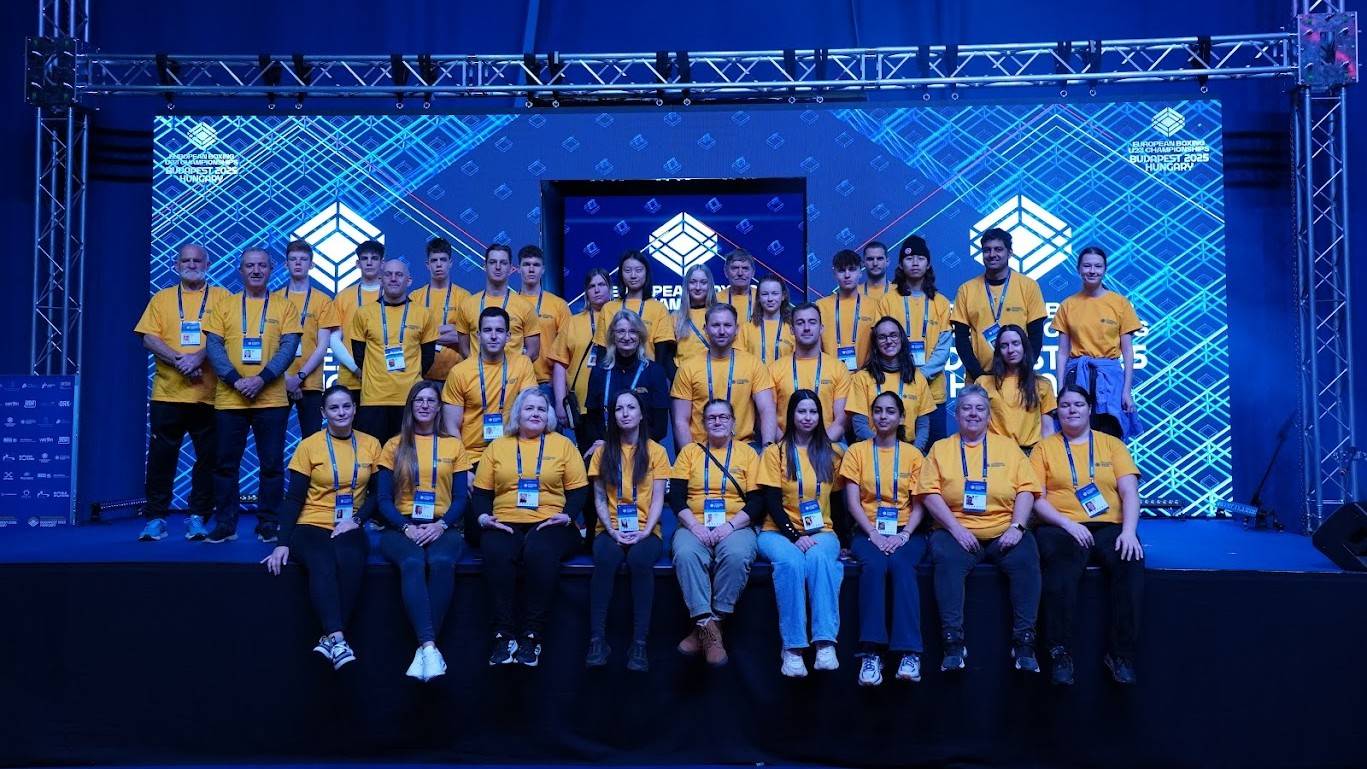
Volunteering at international competitions offers more than just a chance to support athletes; it provides a platform for personal growth, networking, and skill development. The recent U23 European Boxing Championships in Budapest highlighted how a well‑structured volunteer program can elevate the entire event experience. For aspiring volunteers, event organizers, and sports enthusiasts, understanding the mechanics behind this success can guide future initiatives.
Key Elements of a Successful Volunteer Program
Clear Role Definition and Training
One of the standout features of the Hungarian University of Sports Science’s volunteer program was the meticulous definition of roles. From accreditation support to media center assistance, each volunteer had a specific task aligned with their strengths. Structured training sessions—both online and in‑person—ensured that volunteers were prepared for the fast‑paced environment of a continental championship.
Strong Communication Channels
Effective communication is the backbone of any volunteer operation. The program leveraged a dedicated mobile app and daily briefings to keep volunteers informed about schedule changes, safety protocols, and emergency procedures. This real‑time connectivity reduced confusion and increased confidence among the volunteer team.
Recognition and Feedback Loops
Recognition goes beyond a simple thank‑you. The Hungarian University of Sports Science organized a closing ceremony where volunteers received certificates and public acknowledgment from federation officials. Post‑event surveys collected feedback, allowing organizers to refine future programs and demonstrate a commitment to continuous improvement.
Benefits for Volunteers and the Host Institution
Skill Acquisition and Career Advancement
Volunteers gain hands‑on experience in logistics, event management, and cross‑cultural communication—skills highly valued in sports administration and beyond. Many participants reported that the experience opened doors to internships and job offers within the sports sector.
Enhanced Reputation and Community Engagement
For the Hungarian University of Sports Science, the volunteer program showcased its dedication to fostering a supportive sports community. Positive media coverage and testimonials from athletes and officials reinforced the university’s reputation as a leader in sports science education.
How to Get Involved: A Step‑by‑Step Guide
- Visit the Volunteer Portal – Navigate to the volunteer page on the university’s website. Here you’ll find application forms, role descriptions, and eligibility criteria.
- Complete the Application – Provide your contact details, availability, and any relevant experience. Highlight skills such as language proficiency, first aid knowledge, or event coordination.
- Attend Orientation – Successful applicants will receive an invitation to a virtual orientation session. This session covers event logistics, safety protocols, and the university’s volunteer code of conduct.
- Participate in Training – Depending on your assigned role, you may undergo specialized training modules. These could include accreditation procedures, media handling, or crowd management.
- Show Up on the Day – Arrive early, check in at the volunteer desk, and follow the schedule provided by the event coordinator.
- Reflect and Share – After the event, complete a feedback survey and consider sharing your experience on social media or in the university’s alumni network.
Volunteer Roles at the U23 European Boxing Championships
The event’s volunteer roster was diverse, covering:
- Accreditation desk support – verifying athlete and official credentials.
- Media center assistance – managing press releases and live feeds.
- Event management – coordinating schedules, transportation, and logistics.
- Accommodation information desk – guiding athletes and delegations to lodging.
- Entry point supervision – ensuring smooth flow of spectators and participants.
Lessons Learned for Future Events
Invest in Volunteer Well‑Being
Providing adequate rest breaks, hydration stations, and a dedicated support team can reduce fatigue and maintain high service quality throughout the event.
Leverage Technology for Efficiency
Real‑time communication tools, digital check‑in systems, and data analytics can streamline operations and provide actionable insights for post‑event evaluations.
Build Partnerships with Local Institutions
Collaborating with universities, sports clubs, and community organizations expands the volunteer pool and strengthens local engagement.
Take the Next Step in Your Volunteering Journey
Whether you’re a student looking to build a résumé, a sports professional seeking to broaden your network, or a community member eager to contribute, volunteering at a major sporting event offers tangible benefits. The Hungarian University of Sports Science’s recent success demonstrates that with clear structure, robust communication, and genuine appreciation, volunteers can become the backbone of a memorable championship.
Ready to join the next wave of volunteers? Submit your application today and become part of a tradition that celebrates dedication and excellence.
Have questions about the volunteer process or want to discuss potential roles? Schedule a free consultation with our volunteer coordinator.
Share your own volunteering experiences in the comments below – your story could inspire the next generation of sports volunteers.
For more insights on sports event management and volunteer best practices, explore our related articles.