Hungarian University of Sports Science Leads European University Sports Association Medal Rankings
Examining the Context of the 2024 European University Championships
The European University Sports Association (EUSA) has long been the governing body for inter‑university competition across the continent. Each summer, a selection of elite athletes represents their institutions in a variety of disciplines, from track and field to water polo, gymnastics and beyond. The results are compiled into a medal table that not only showcases individual performance but also reflects the strength of a university’s sports programmes and training facilities.
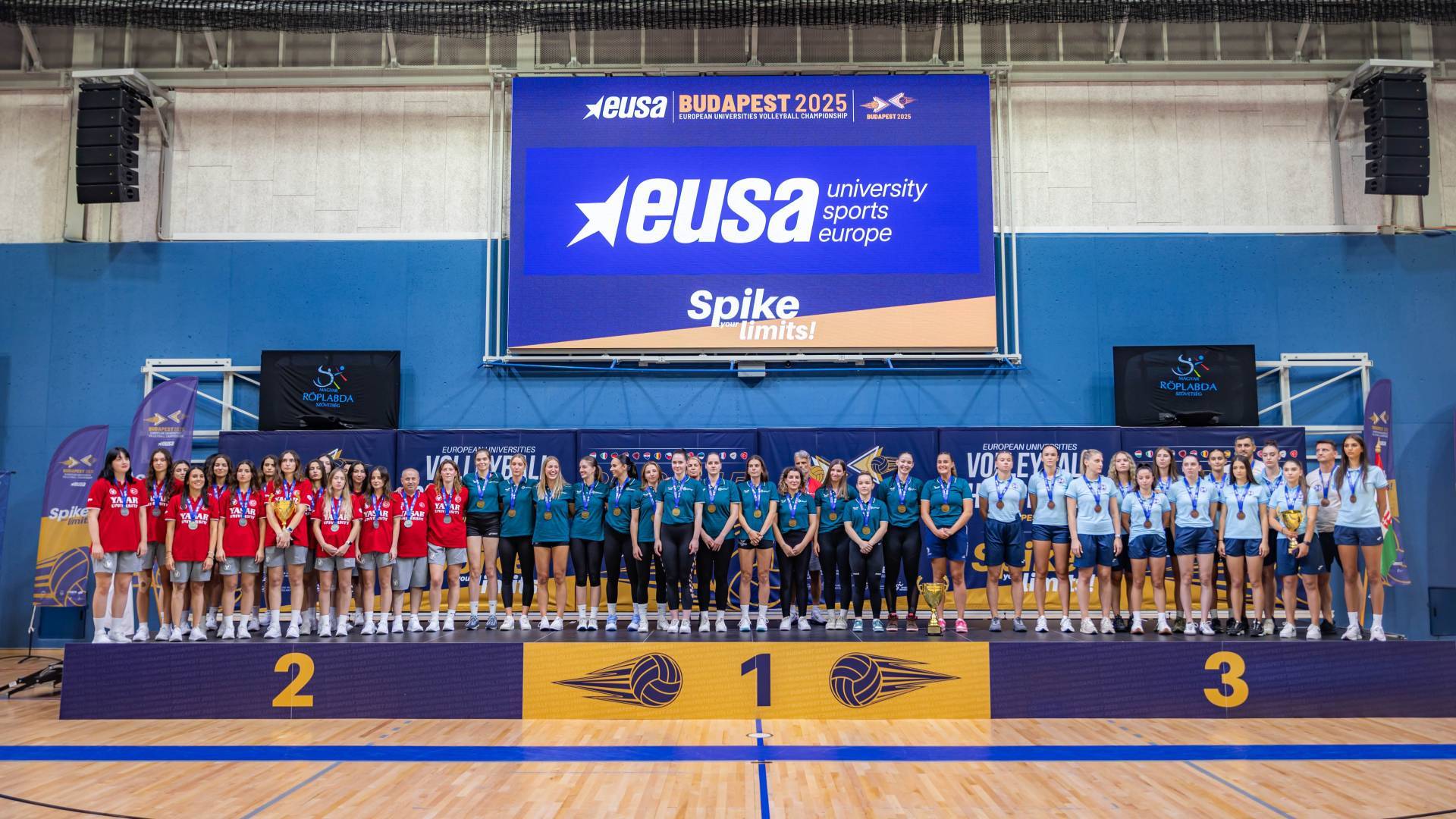
In 2024, the Hungarian University of Sports Science (HUSS) made headlines by topping that medal table. The university’s athletes claimed a total of eight medals: five gold, two silver and three bronze. This achievement is particularly striking when compared to traditional powerhouses such as the United Kingdom, Germany, and France, whose larger sporting infrastructures yet finished behind the HUSS in the overall ranking.
Key Drivers Behind HUSS’s Success
Several factors contribute to the University’s standout performance:
- Specialized Training Facilities – HUSS has invested heavily in modern sports science laboratories and coaching centres, providing athletes with world‑class training environments.
- Expert Coaching Staff – Recruitments of former Olympians and internationally accredited coaches ensure that athletes receive guidance that matches the highest competitive standards.
- Research‑Integrated Programs – The university’s research centre for molecular exercise science allows for the immediate application of cutting‑edge findings to training regimens.
- Student‑Centred Support Services – From sports psychology to nutrition counseling, HUSS offers a holistic approach that addresses both physical and mental demands of elite sport.
These elements create a robust ecosystem where theory meets practice, enabling athletes to translate academic knowledge into podium‑ready performance. For example, the university’s “Biomechanics in Sport and Ageing” symposium invites world leaders to share insights on injury prevention and performance enhancement—content that athletes can directly apply in competitions.
Implications for Prospective Students and Sports Professionals
HUSS’s recent triumph demonstrates a clear pathway for those who wish to combine academic study with athletic achievement. The university offers a variety of undergraduate and graduate programmes in sports science, physical education, and sport management. Students benefit from access to state‑of‑the‑art facilities, opportunities to compete at the EUSA level, and chances to participate in research projects that influence best practices across the sport industry.
For coaches and trainers, visiting or partnering with HUSS can provide exposure to pioneering training methods and research outcomes. The university’s robust alumni network and industry connections mean that knowledge transfer between academia and practice is streamlined.
How HUSS’s Ranking Affects The Sporting Landscape in Hungary
Within Hungary, sports universities such as Eötvös Loránd University (ELTE) and the University of Pécs often compete for national prestige in sports science. However, HUSS’s ranking highlights a shift: institutions dedicated exclusively to sports science are outperforming more generalized universities in international competitions.
Policymakers and sports bodies now have a case study illustrating that targeted investment in sports science—combining research, coaching excellence, and athlete support—yields tangible results on the international stage. This could influence funding priorities and collaborations across the country.
Strategic Recommendations for Universities Looking to Replicate HUSS’s Performance
- Build Integrated Training‑Research Hubs – Combine laboratory research with coaching practice, allowing real‑time testing of new training protocols.
- Recruit High‑Profile Coaches – Target professionals with international competition experience to act as mentors for student‑athletes.
- Offer Interdisciplinary Curricula – Embed biomechanics, nutrition, and psychology into core courses to produce well‑rounded athletes.
- Establish International Partnerships – Collaborate with universities across Europe to facilitate student exchanges and joint competitions.
- Maintain Funding for Student‑Athlete Welfare – Provide stipends, mental health services, and academic support to reduce burnout and enhance performance.
When universities implement these strategies, they not only raise their international standing but also help their athletes achieve peak performance.
Looking Beyond EUSA: Future Prospects and Global Opportunities
While the European University Championships offer a significant platform, the next logical step for HUSS athletes is global competitions such as the World University Games (Universiade) or even Olympic trials. The skills and knowledge cultivated at HUSS prepare athletes for these higher arenas. Moreover, the university’s research output equips them with data‑driven techniques that can set new benchmarks in sport science practice worldwide.
Join HUSS summer school programmes to gain international exposure and cutting‑edge training methods.
Conclusion: A Proven Model for Sporting Excellence
Hungarian University of Sports Science’s ascent to the top of the EUSA medal table is a testament to the power of focused investment in sports science, quality coaching, and comprehensive athlete support. For students, coaches, and universities across the globe, HUSS provides a replicable blueprint: harness research, secure expert guidance, and create an environment where academic and athletic goals are intertwined.
Submit your application today to build a career where sport meets science.
Have questions about our programmes or how we support athletes? Contact HUSS’s international office for personalized guidance.