
How Clinical Laboratory Sciences at University of Pécs Prepares Graduates for Global Medical Careers
Building a Foundation in Clinical Laboratory Sciences in Hungary
Choosing where to pursue a graduate degree in healthcare requires careful evaluation of program quality, practical training opportunities, and long-term career outcomes. The University of Pécs, Hungary has established itself as a credible destination for students seeking rigorous academic preparation in specialized medical fields. Among its diverse offerings, the MSc in Clinical Laboratory Sciences at the Faculty of Health Sciences stands out as a program that directly connects classroom learning with real-world clinical application.
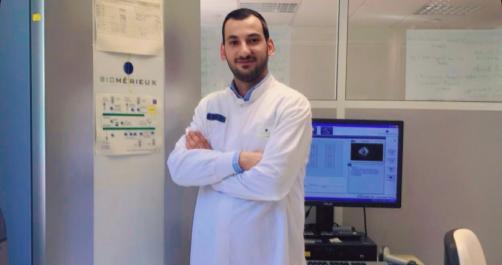
For international students considering where to invest their time and resources, understanding what a program actually delivers matters more than marketing materials. The experiences of graduates who have transitioned from student laboratories to professional roles provide the most honest assessment of a program’s value. Ahmad, a graduate from the first cohort of the Clinical Laboratory Sciences master’s program at the University of Pécs, now works as a Clinical Product Manager overseeing the Middle East region for a multinational medical company. His trajectory illustrates how focused academic training in Hungary can translate into international career mobility.
Submit your application today to begin your journey in Clinical Laboratory Sciences.
What the MSc Program at University of Pécs Actually Delivers
The structure of the Clinical Laboratory Sciences program at the University of Pécs combines theoretical coursework with substantial laboratory practice. Students engage with topics that form the backbone of modern diagnostic medicine, including the analysis and application of biomarkers in clinical settings. Courses such as “Biomarkers in Clinical Diagnosis,” led by experienced faculty members like Prof. Kőszegi Tamás Antal and Dr. Zoltán Horváth-Szalai, provide students with insight into how laboratory data directly influences patient care decisions—particularly in critical scenarios such as sepsis management.
What distinguishes this program from similar offerings elsewhere is the expectation that students will conduct independent laboratory analysis as part of their thesis work. This is not simulated or observational experience. Students work with actual patient data and perform analyses where the results carry real clinical weight. For Ahmad, the moment of performing his first independent laboratory analysis during clinical practice marked a shift in professional identity—from student to future healthcare professional. That kind of transition does not happen in programs where practical work remains abstract or heavily supervised.
The program also requires students to defend their research before a faculty panel, followed by comprehensive oral examinations. This process tests not only subject matter knowledge but also the ability to communicate scientific findings clearly under pressure. Graduating with distinction, as Ahmad did with a score of 5 and outstanding classification, requires genuine mastery of the material rather than minimal competency.
Research Opportunities That Shape Specialization
Students in the program select thesis topics that align with their professional interests, allowing them to build expertise in specific areas of laboratory medicine. The faculty’s willingness to mentor students through this process creates opportunities for meaningful research that can influence career direction. Ahmad’s thesis focused on sepsis-related biomarkers, directly building on coursework and positioning him for roles that bridge laboratory science and clinical product development.
This connection between thesis work and career trajectory is not automatic—it requires students to engage proactively with faculty advisors and take ownership of their research direction. Programs that offer this level of flexibility and faculty access provide a tangible advantage for students who know what they want to pursue professionally.
From Graduate Student to Clinical Product Manager
Understanding how academic credentials translate into specific job roles helps prospective students evaluate whether a program aligns with their career goals. Ahmad’s current position as a Clinical Product Manager for the Middle East region at a multinational medical company represents one possible career path for graduates of laboratory science programs. In this role, he applies his clinical laboratory background to strategic and commercial functions—specifically, bridging the gap between laboratory practice and medical innovation for healthcare systems across multiple countries.
This type of position requires more than technical laboratory skills. It demands the ability to understand clinical workflows, interpret scientific data for non-specialist audiences, and make strategic decisions about product positioning in diverse markets. The training Ahmad received at the University of Pécs contributed to these capabilities in several ways: the discipline of conducting rigorous research, the experience of collaborating with international classmates, and the critical thinking skills developed through faculty-mentored thesis work.
Schedule a free consultation to learn more about the Clinical Laboratory Sciences program.
Skills That Transfer Beyond the Laboratory
Employers in the medical technology and diagnostics sectors increasingly value professionals who can operate at the intersection of science and business. Graduates who can interpret clinical data, understand regulatory environments, and communicate effectively with both technical and commercial teams fill a specific gap in the industry. The University of Pécs program develops these competencies through its emphasis on:
- Methodological problem-solving: Approaching complex clinical questions with structured analytical frameworks rather than intuition alone.
- Critical evaluation of data: The ability to assess the validity and clinical relevance of laboratory findings, a skill directly transferable to product evaluation and market analysis.
- Professional communication: Defending research before faculty panels and presenting findings in academic settings builds the presentation skills needed in corporate environments.
- Cross-cultural collaboration: Working alongside classmates from multiple countries prepares graduates for the realities of multinational workplaces.
What Studying in Hungary Offers Beyond the Classroom
The decision to study abroad involves considerations that extend well beyond academic programming. Living in Hungary, and specifically in a city like Pécs, shapes students in ways that influence their professional readiness. Ahmad noted that his time in Hungary strengthened his independence, adaptability, and cultural awareness—qualities that directly support work in international roles. Navigating daily life in a foreign country, building relationships across cultural boundaries, and managing the practicalities of living abroad develop resilience that employers recognize and value.
Pécs itself contributes to the student experience in ways that differentiate it from larger, more impersonal university cities. The city offers historic sites, cultural events, and a student community that is accessible rather than overwhelming. This environment supports a balance between academic focus and personal development—a combination that several University of Pécs alumni have identified as unexpectedly influential in their post-graduation success.
The university provides structured support for international students through services such as the Buddy Program, which pairs incoming students with local or senior international peers. Dormitory housing creates opportunities for the kind of informal cultural exchange that, while sometimes chaotic (as Ahmad’s story about a dorm kitchen incident involving rice cooked without water and a triggered fire alarm illustrates), builds lasting connections and practical life skills.
Explore our related articles for further reading about student life in Pécs.
Practical Guidance for Prospective International Students
Based on the experiences of graduates who have successfully transitioned from the University of Pécs to international careers, several actionable insights emerge for prospective students:
Engage Actively With Faculty From the Start
The quality of mentorship available at the University of Pécs is a significant asset, but it requires initiative from students. Ahmad specifically credited his thesis supervisor, Prof. Kőszegi Tamás Antal, with shaping his professional mindset and confidence. These relationships do not form automatically. Students who approach faculty early, demonstrate genuine interest in their research areas, and show consistent effort in coursework tend to receive the most meaningful mentorship. If you enter a program planning to remain passive until thesis year, you will underutilize one of the institution’s primary strengths.
Treat Practical Training as Professional Development
Clinical practice and laboratory work should be approached with the seriousness of a professional placement, not as a requirement to complete. The analytical habits formed during these periods—attention to protocol, documentation standards, and the ability to interpret results in clinical context—directly affect employability. Employers in the diagnostics and medical technology sectors assess candidates based on their demonstrated ability to work with real clinical data, not just their theoretical knowledge.
Build International Networks Intentionally
Studying alongside peers from multiple countries creates natural networking opportunities, but turning classmates into professional contacts requires deliberate effort. Maintain relationships after graduation. The University of Pécs alumni network, as demonstrated by gatherings in locations like Jordan, Rwanda, and Kazakhstan, provides ongoing connection points for graduates working across different regions and industries.
Connect Academic Work to Career Goals Early
Select thesis topics, elective courses, and practical placements with your intended career direction in mind. Ahmad’s focus on sepsis biomarkers during his thesis directly supported his later work in clinical product management. Students who treat each academic decision as a step toward a specific professional outcome gain more from their programs than those who optimize only for grades or convenience.
Have questions? Write to us for personalized guidance on the application process.
Evaluating Whether the University of Pécs Is the Right Choice
No single university or program is universally optimal for every student. The Clinical Laboratory Sciences program at the University of Pécs is particularly well-suited for international students who meet several criteria: they want rigorous practical training in laboratory medicine, they value faculty mentorship and are willing to seek it out, they are comfortable living in a smaller European city with a strong student culture, and they see their long-term career involving international work or cross-functional roles in the medical sector.
For students primarily seeking a credential with minimal academic engagement, or who prefer large metropolitan environments, other options may be more appropriate. The value of this program is concentrated in the quality of its laboratory training, the accessibility of its faculty, and the professional network it provides to graduates who actively participate in the university community.
The experiences of alumni like Ahmad demonstrate that the program can serve as a direct pathway to meaningful international careers in the medical and diagnostics industries. However, outcomes depend substantially on individual engagement. The university provides the structure, faculty expertise, and practical infrastructure. What students build with those resources determines their professional trajectory.