
Honorary Doctor Stephen Horváth Recognized by Hungarian University of Sports Science
Highlighting a Milestone in Sports Science Research
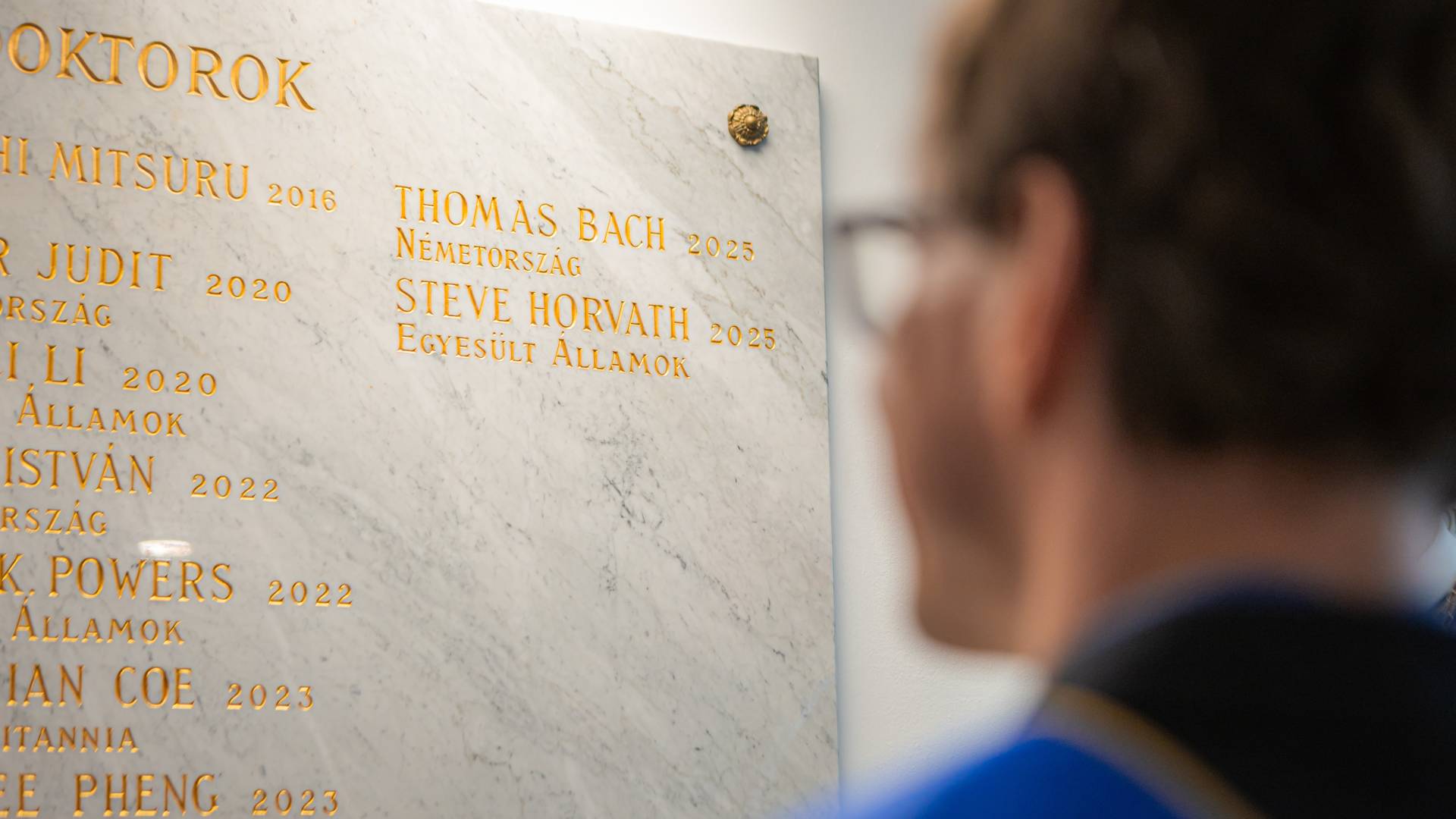
The Hungarian University of Sports Science (HUSS) recently celebrated a significant academic achievement: the conferment of an honorary doctorate upon renowned geneticist and biostatistician Professor Steve Horváth. The ceremony, held on 21 November in the historic Athenes Hall, underscored HUSS’s reputation for pioneering research and its commitment to fostering collaborations between sport scientists and basic researchers.
Professor Horváth: A Bridge Between Genetics and Athletic Performance
Born in Hungary but now a faculty member at the University of California, Los Angeles, Professor Horváth has become a central figure in the field of epigenetics. His flagship contribution, the Horvath Epigenetic Clock, utilizes DNA methylation markers to estimate biological age with remarkable precision. This tool has implications far beyond theoretical biology: it offers athletes, coaches, and sports medicine professionals a measurable way to assess training load, recovery, and the long‑term health impact of intensive sport programs.
How the Epigenetic Clock Translates to Sports Outcomes
In practice, the clock can reveal whether an athlete’s biological age aligns with their calendar age. If a 25‑year‑old gymnast presents an epigenetic age of 30, it could signal an overreaching training regime or underlying health stressors. Conversely, a biological age below expected norms might indicate superior recovery protocols or genetic resilience. Coaches can use this information to tailor periodization schedules, while medical staff can identify early signs of overtraining syndrome.
Valued Insights for Researchers and Practitioners
By integrating epigenetic analysis into routine performance monitoring, sports scientists can move from reactive injury management to proactive wellness strategies. HUSS’s doctoral curriculum now incorporates modules on genomics and epigenomic data interpretation, preparing graduates for careers in sports analytics, personalized training, and clinical sports medicine.
The Honorary Doctorate: Significance for HUSS and its Community
HUSS’s decision to award an honorary doctorate to Professor Horváth reflects several key points:
- Recognition of international excellence that aligns with the university’s mission to elevate Hungarian sports science on the global stage.
- Validation of the university’s research programs, particularly those focused on the interplay between genetics, training, and health.
- Inspiration for current students and young researchers who aspire to merge basic science with applied sport outcomes.
Voices from the Ceremony
Vice‑Rector for Scientific and Innovation Affairs, Professor Zsolt Radák, praised Horváth’s work as “an exemplary model of how fundamental research can influence elite performance.” In his remarks, Radák highlighted the university’s growing emphasis on epigenetic and microbiome studies, fields that now occupy center stage in HUSS’s research agenda.
During the ceremony, Professor Horváth expressed gratitude for the “exceptional educational and research opportunities” offered by HUSS. He noted that the university’s environment—rich in interdisciplinary collaboration—has been vital in refining his own research directions and in promoting translational science.
What This Means for Aspiring Sports Scientists
Students and early‑career researchers can take several actionable lessons from this event:
- Seek Interdisciplinary Projects: Projects that combine genomics with exercise physiology provide a broader context and higher research impact.
- Engage with Cutting‑Edge Tools: Familiarize yourself with epigenetic assays, bioinformatics pipelines, and data‑visualization software. Many universities now offer specialized courses, and online workshops are freely available.
- Publish Translational Findings: Journals such as Frontiers in Sports & Active Living and Journal of Applied Physiology actively seek studies that link molecular markers to performance metrics.
- Attend International Symposia: Conferences—like the Biomechanics in Sport and Ageing Symposium hosted by HUSS—are platforms for networking and learning from leaders in the field.
Expanding the Horizon: HUSS’ Future Initiatives
Following the honorary degree bestowal, HUSS is set to launch a series of initiatives aimed at bridging basic science and athletic practice:
- Launch of a Center for Sports Epigenetics to develop standardized protocols for training‑related epigenetic measurements.
- Collaboration with international partners (e.g., FIBA, IJF Academy) to provide real‑time biomarker monitoring for elite athletes.
- Integration of microbiome studies into injury prevention programs.
- Online webinars featuring leaders like Professor Horváth, to provide accessible education for practitioners worldwide.
Moving Forward: How to Get Involved
Whether you are a student, faculty member, or sports industry professional, there are several avenues to engage with HUSS’s evolving research landscape:
- Apply to HUSS’s doctoral and master’s programs that emphasize molecular exercise science.
- Explore internship and research collaboration opportunities through the university’s International Relations Center.
- Subscribe to HUSS’s newsletters to stay updated on upcoming seminars, publications, and funding calls.
Call to Action
Ready to advance your career in sports science? Contact HUSS today to learn about admission pathways and research funding.
For students seeking practical workshops, register for the annual summer school and gain hands‑on experience with the latest epigenetic techniques.
Stay informed on the latest breakthroughs by following HUSS news updates and contributing to discussions in the comments.