Field Practices at Budapest Metropolitan University: How Art and Design Management MA Students Work with Contemporary Artists
Practical experience has always separated strong art and design managers from those who only understand the industry in theory. At Budapest Metropolitan University in Hungary, the Institute of Art and Design Theory builds this hands-on dimension directly into its curriculum through project weeks and field practices that place students in direct contact with working professionals. On September 8, students from the Art and Design Management MA program experienced this approach firsthand when they took part in two artist-led student workshops at Infopark, culminating in a same-day exhibition at the Infopark I Gallery.
This article examines what these field practices involved, why this model of art education is valuable for future creative professionals, and what prospective students can learn from the way Budapest Metropolitan University connects classroom study with the contemporary art scene.
If you are considering a career at the intersection of art, design, and management, exploring how programs like the Art and Design MA at Budapest Metropolitan University combine theory with practice is an excellent first step. Explore the university’s art programs and admission details here.
Inside the Project Week at the Institute of Art and Design Theory
Field practices at Budapest Metropolitan University are not isolated excursions; they are structured components of the academic calendar. The September workshops formed part of a dedicated project week organized by the Institute of Art and Design Theory, a unit within the Faculty of Art and Creative Industries. The program was curated and coordinated by Szilvia Csanádi, an art historian and professor whose work bridges academic study and the living art world.
The design of the day reflected a clear pedagogical logic. Rather than attending a lecture or observing from the sidelines, Hungarian and international students gathered at Infopark, a dynamic business and innovation district in Budapest, to work directly under the guidance of two young artists who are active in the city’s contemporary art scene: Éva Freund and Judit Kis.
For students in an Art and Design Management MA program, this format matters. Managers in the creative industries rarely succeed without understanding how artists actually think, experiment, and make decisions. A field practice of this kind shortens the distance between management theory and artistic reality.
Learning Directly from Working Contemporary Artists
The core of the field practice consisted of two parallel artist-led workshops. Each offered students a different entry point into contemporary artistic practice, and each demonstrated a distinct way that professional artists structure creative work.
Workshop with Éva Freund
Working with Éva Freund introduced students to the methods of an artist who is building her career within Budapest’s competitive contemporary landscape. Artist-led workshops of this kind typically move beyond technical instruction. Participants are asked to respond to prompts, materials, and conceptual frameworks that the artist uses in her own practice, then to produce experimental work under time pressure.
For management students, this is a revealing exercise. Watching how a professional artist translates an idea into material form, how she manages constraints, and how she makes creative decisions in real time provides insight that no case study can replicate. Students do not simply learn about art; they participate in the process of making it.
Workshop with Judit Kis
The second workshop, led by Judit Kis, gave students another perspective on contemporary practice. Kis is among the younger generation of Hungarian artists whose work engages with current social and cultural questions, and her workshop challenged students to think through experimentation rather than planning alone.
This dimension is particularly relevant for Art and Design Management students. Contemporary artists frequently work with uncertainty, iteration, and rapid prototyping—approaches that have become central to modern project management, product development, and creative direction. Experiencing these methods from the inside equips future managers to lead creative teams with empathy and precision.
The Value of Direct Contact with Practitioners
Across both workshops, a common thread emerged: art education is most effective when students engage with practitioners who are actively exhibiting, producing, and navigating the art market. The presence of two professionally active artists signaled to students that the skills they are developing in their MA program connect directly to a real, functioning scene—not an abstract ideal.
Are you an international student weighing your options for studying contemporary art in Central Europe? Learn more about Budapest Metropolitan University’s international art and design community and how its faculty connects students to working artists.
From Studio Experiment to Public Exhibition at Infopark I Gallery
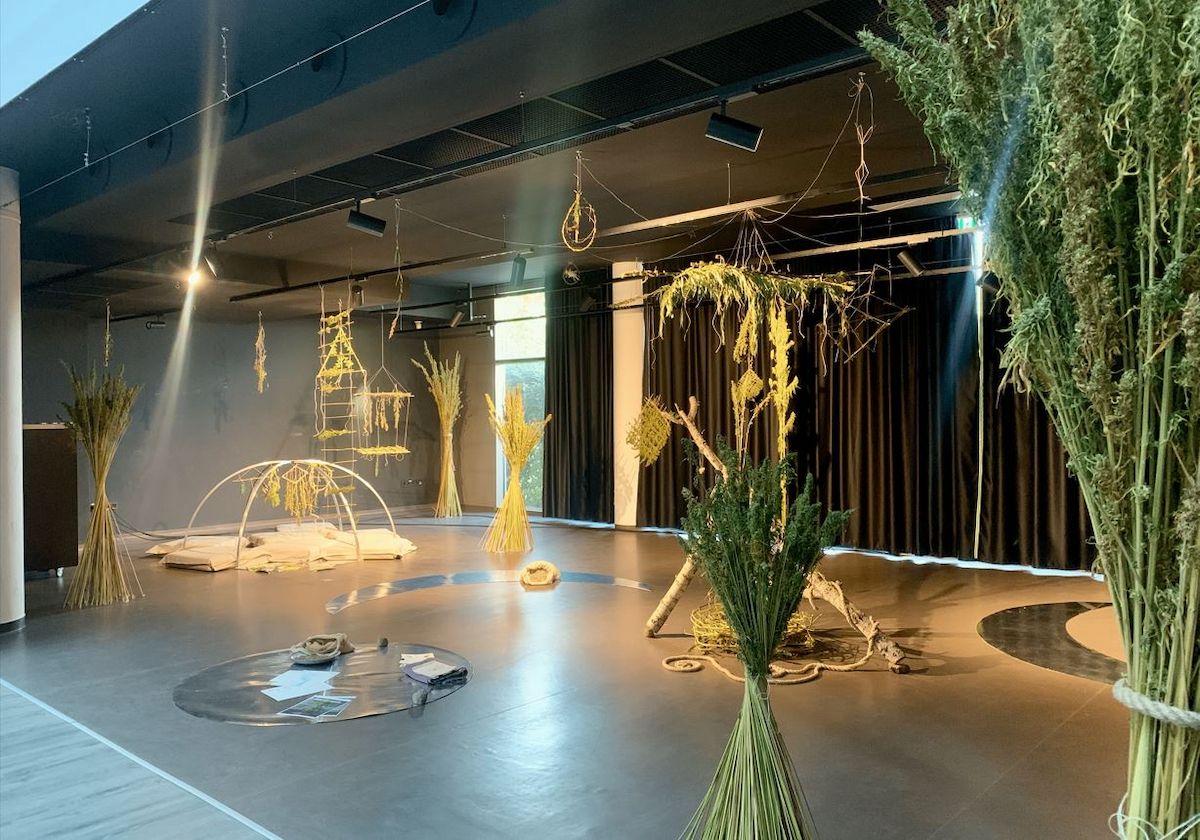
What distinguished this field practice from a typical workshop day was its outcome. By the end of the day, the students’ experiments had developed into a full exhibition at the Infopark I Gallery. This compressed timeline—from initial workshop exercise to publicly presented work within hours—mirrors the fast pace of professional exhibitions, biennales, and art fairs.
Exhibition Experience as Management Training
For Art and Design Management students, the exhibition component carries specific professional weight. Presenting work publicly requires coordinating logistics, understanding display conventions, communicating with venue staff, and managing timing. Even when faculty and artists guide the process, students observe and participate in decisions that gallery professionals make every week.
This experience also builds portfolio material. Students who can document their role in producing a real exhibition—from concept to opening—hold tangible evidence of their capabilities when applying for internships and positions in galleries, cultural institutions, and creative agencies.
The Significance of Infopark as a Venue
Holding the workshops and the resulting exhibition at Infopark placed contemporary art in dialogue with Budapest’s technology and business community. This setting reinforces an important lesson for art managers: contemporary art no longer lives only in museums and traditional galleries. It appears in corporate lobbies, innovation districts, and mixed-use urban spaces. Understanding how art functions in these environments is a core competency for the next generation of cultural professionals.
Why Field Practices Matter in Modern Art Education
The field practice model at Budapest Metropolitan University reflects broader shifts in how art education is delivered across Europe’s leading institutions. Several principles underpin this approach:
- Learning by doing: Students retain and apply knowledge more effectively when they produce real outcomes, such as an exhibition, rather than completing isolated assignments.
- Exposure to multiple working methods: Two artists with distinct practices showed students that there is no single correct way to build a career in contemporary art.
- International collaboration: With Hungarian and international students working side by side, the workshop mirrored the multicultural teams that characterize today’s global art world.
- Faculty as connectors: Professor Szilvia Csanádi’s role demonstrates how academic staff can act as bridges between the university and the professional scene.
These principles apply well beyond a single project week. They shape how students approach their thesis work, their internships, and their first professional roles after graduation.
Budapest as a Base for Contemporary Art Studies
Choosing where to study art and design management is as much about location as it is about curriculum. Hungary’s capital offers an environment that supports this kind of education. Budapest hosts a dense network of galleries, artist studios, alternative spaces, and international cultural institutions, all within a compact and affordable city. Students at Budapest Metropolitan University can move between classroom, studio, and gallery in a single afternoon—as the Infopark field practice demonstrated.
The city’s contemporary art scene is also increasingly international. Events such as gallery weekends, biennials, and design festivals draw visitors and professionals from across Europe, giving students regular opportunities to build networks before they graduate.
Skills That Extend Beyond the Studio
Graduates of programs that emphasize field practices leave with a skill set that employers in the creative industries actively seek:
- Project coordination under pressure, developed by producing an exhibition within a single day.
- Communication across disciplines, built through direct dialogue with artists, curators, and faculty.
- Cultural literacy in contemporary art, grounded in firsthand engagement rather than secondhand study.
- Adaptability, strengthened by experimental formats where outcomes cannot be planned in advance.
These competencies translate directly into careers in gallery management, cultural programming, creative industries consulting, art market services, and independent curating.
Ready to build these skills yourself? Submit your application to the Art and Design Management MA at Budapest Metropolitan University and take the first step toward a career in the creative industries.
Conclusion: Turning Theory into Practice, One Project Week at a Time
The September field practice at Infopark illustrates what distinguishes a strong graduate program in art and design management: direct contact with working artists, a compressed and realistic production timeline, and a visible public outcome. By transforming a day of student experiments into an exhibition at the Infopark I Gallery, Budapest Metropolitan University gave its Art and Design Management MA students something a lecture hall never could—a genuine professional experience.
For prospective students, the message is clear. When evaluating art programs in Hungary or anywhere in Europe, look for evidence that field practices, artist collaborations, and exhibition opportunities are built into the curriculum. These are the experiences that shape capable, confident creative professionals.
Have questions about the Art and Design Management program, admission requirements for international students, or upcoming project weeks? Write to us—our team is happy to help. And if you have participated in a field practice or artist-led workshop during your studies, share your experience in the comments below; your perspective may guide the next generation of art managers.