
Enhancing Pediatric Care: University of Debrecen Introduces a Skills Development Playroom in Hungary
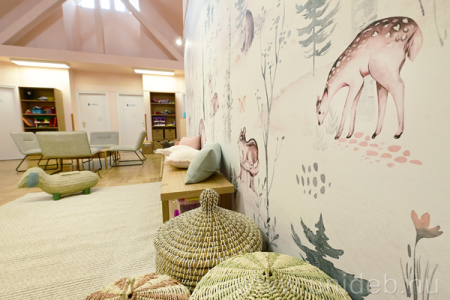
Hospitalization and prolonged medical treatment can be highly stressful experiences for children and their families. Recognizing the critical role that environment plays in medical outcomes, the University of Debrecen has taken a significant step forward in pediatric care. Through the Department of Pediatric Rehabilitation, Pediatric Psychology, and Psychosomatic Unit at the Clinical Center’s Pediatrics Clinic, the university has unveiled a modern skills development playroom. This new facility represents a strategic investment in child rehabilitation, designed to support healing through structured, interactive play within a calming, child-friendly atmosphere in Hungary.
Explore our related articles for further reading.
Understanding the Clinical Value of Play in Child Rehabilitation
Play is frequently viewed as a simple leisure activity, but within a clinical context, it functions as a fundamental therapeutic tool. For children undergoing physical or psychological rehabilitation, traditional therapy exercises can sometimes feel tedious, exhausting, or intimidating. Integrating play into the recovery process changes this dynamic entirely. Clinical experts emphasize that play encourages development and learning organically, bypassing a child’s natural resistance to strenuous medical routines.
When children engage with carefully selected toys and games, they are not merely passing time. They are actively working on their fine and gross motor skills, enhancing their logical thinking, and improving their combinatorial abilities. A child manipulating a small toy car or assembling a puzzle is simultaneously practicing hand-eye coordination, spatial awareness, and cognitive problem-solving. By embedding these critical rehabilitation goals within a playful context, medical professionals can maintain a child’s motivation and reduce the anxiety typically associated with clinical environments.
Features of the New Skills Development Playroom
Designing a medical space for children requires a delicate balance between clinical functionality and psychological comfort. The new skills development playroom at the University of Debrecen was established in the loft of the rehabilitation unit’s building, a spatial choice that required thoughtful architectural adaptation to ensure accessibility and safety. The result is a dedicated, calm environment that feels distinctly separate from the sterile corridors of a traditional hospital ward.
Targeted Therapeutic Equipment and Activities
The room is equipped with a variety of resources specifically chosen to target different developmental areas. Superhero figures and gaming cards stimulate imagination, social interaction, and rule-based thinking. An activity wall provides a structured way for children to practice fine motor skills and physical coordination in an upright position, which is particularly beneficial for those recovering from mobility issues. Books, coloring books, and art supplies offer quiet, focused activities that support cognitive retention and emotional expression. Together, these tools create a comprehensive environment where pediatric care extends beyond standard medical interventions.
Share your experiences in the comments below.
Integrating Therapy with Interactive Environments
The operational model of the Pediatrics Clinic highlights how the playroom fits into the broader daily schedule of young patients. Children with limited mobility who are admitted to this 15-bed clinical ward typically stay for three to four weeks. During this time, they undergo intensive rehabilitation, with the ward treating approximately 230 patients annually. Managing the physical and emotional toll of a month-long hospital stay requires a highly structured, multi-disciplinary approach.
A Structured Daily Rehabilitation Schedule
Mornings at the clinic are generally reserved for formal developmental therapy sessions and physical therapy. These sessions are rigorous and essential for physical recovery, but they demand significant energy from the child. To complement this, afternoon activities are scheduled in a relaxed, informal setting. Clinical specialist Ágnes Tóth notes that the clinic utilizes story therapy, art therapy, and animal-assisted programs to support the rehabilitation process during these afternoon hours. The new skills development playroom now serves as the central hub for these activities.
By moving afternoon therapies into the playroom, the clinic reinforces the results achieved during morning physical therapy and special education sessions. A child who spent the morning working on leg strength and balance can intuitively apply those same muscle groups while navigating the playroom or interacting with the activity wall. This seamless integration ensures that rehabilitation is a continuous, 24-hour process rather than something that only happens in the treatment room.
Corporate and Academic Partnerships Advancing Pediatric Care
Major infrastructure improvements in public healthcare often require support beyond standard institutional budgets. The development of this playroom was made possible through the financial support of the BMW Group’s Debrecen Plant. This collaboration highlights a growing trend of corporate-academic partnerships in Hungary, where industrial stakeholders invest directly in the community infrastructure of the cities where they operate.
Hans-Peter Kemser, President and CEO of BMW Group Plant Debrecen, articulated the rationale behind this investment by emphasizing the mutual benefits between the corporation and the city. When large-scale industrial operations establish themselves in a region, they draw heavily on local resources, infrastructure, and workforce. Returning value to the local community, particularly in sectors as vital as pediatric care, is a practical application of corporate social responsibility. Investing in the health and development of children is, as Kemser noted, a direct investment in the future of the community that supports the plant.
Schedule a free consultation to learn more.
A Five-Year Trajectory of Clinical Improvement
The playroom is not an isolated project but part of a larger, five-year systemic development strategy within the pediatrics department. Professor Zoltán Szabó, President of the Clinical Center at the University of Debrecen, highlighted that this investment aligns with continuous efforts to elevate the standard of pediatric care. Over the past half-decade, the Clinical Center has focused on modernizing its facilities to ensure that medical treatments are supported by environments conducive to healing. Enhancing the effectiveness of rehabilitation processes requires both cutting-edge medical equipment and spaces that address the psychological and developmental needs of patients.
The Broader Impact on Healthcare Standards in Hungary
Facilities like the skills development playroom at the University of Debrecen set a benchmark for pediatric care across Hungary. Historically, hospital design prioritized infection control and medical efficiency, often at the expense of patient comfort, particularly in pediatric wards. The shift toward incorporating dedicated developmental spaces reflects a modern, holistic understanding of healthcare. It acknowledges that treating a child requires treating the whole person—addressing their cognitive, emotional, and social needs alongside their purely physical symptoms.
For parents navigating the healthcare system, the presence of such facilities provides measurable reassurance. It signals that the medical institution values their child’s quality of life during treatment. Furthermore, by improving the effectiveness of rehabilitation processes, these environments can contribute to shorter recovery times and better long-term developmental outcomes, ultimately easing the burden on both the family and the broader healthcare system.
Looking Forward: Continual Development in Pediatric Rehabilitation
The opening of the skills development playroom at the University of Debrecen Clinical Center marks a practical advancement in how child rehabilitation is administered in Hungary. By combining the clinical expertise of the Pediatric Rehabilitation, Pediatric Psychology, and Psychosomatic Unit with the strategic support of the BMW Group Plant Debrecen, the university has created a space where medical treatment and childhood development coexist seamlessly.
As the clinic continues to treat hundreds of patients annually, this environment will play a central role in shaping their recovery experiences. The integration of story therapy, art therapy, and interactive play into the daily routines of these young patients demonstrates a commitment to evidence-based, compassionate care. For healthcare professionals, parents, and advocates of pediatric medicine, this initiative serves as a clear example of how targeted investments in facility design directly enhance the efficacy of medical rehabilitation.