EASM 2025 Conference Opens at Hungarian University of Sports Science – Key Highlights and Takeaways
Overview of the EASM 2025 Launch
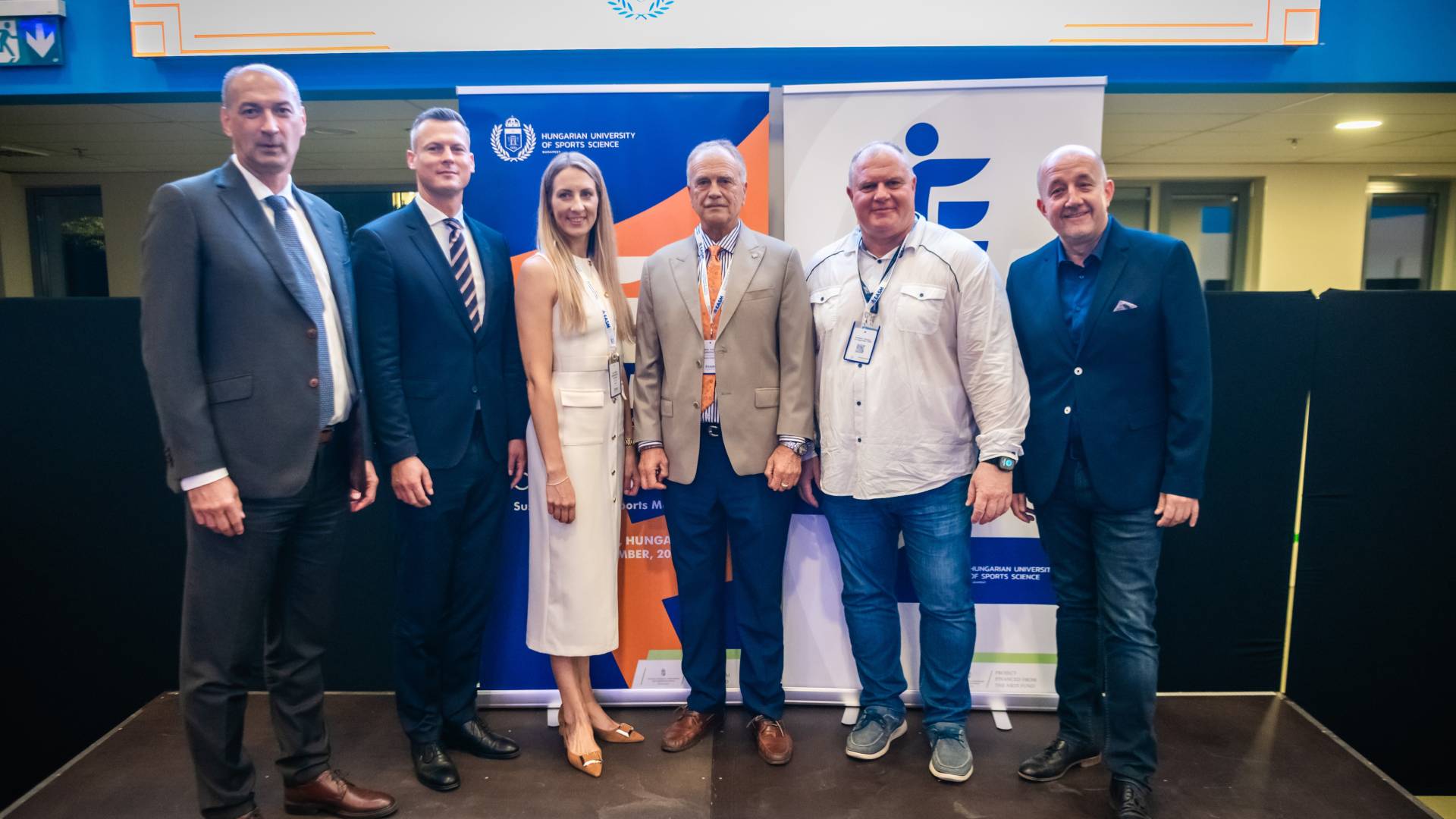
The Hungarian University of Sports Science (HUSS) successfully launched the European Association for Sport Management 2025 conference on the evening of September 2. The event, which will run through September 5, drew almost 500 participants from academia, industry and governing bodies, all converging in Budapest’s Gathering Hall for a mix of formal speeches, cultural performances and networking opportunities.
Why the Venue Matters
HUSS offers facilities that blend modern research labs with historic lecture halls, a setting that resonates with the conference’s blend of tradition and innovation. The university’s close partnership with the International Olympic Committee (IOC) is a notable asset, reinforcing the event’s credibility and strategic importance for sports managers looking to deepen their knowledge.
Keynote Highlights
Three main speakers set the tone for the conference, underscoring the university’s reputation and the event’s emphasis on sustainable sport.
Rector Professor Tamás Sterbenz on Hungary’s Contribution to Sport Management
Professor Sterbenz opened the ceremony by outlining Hungary’s historical role in shaping modern sports administration. He highlighted two celebrated alumni: István Balyi, credited with pioneering the Long‑Term Athletic Development (LTAD) model, and coach Mihály Iglói, whose training methodology produced 49 world records.
Director General Dr. Balázs Baji on International Sports Events
Dr. Baji contextualised Hungary’s recent hosting of major sporting events, pointing out how these ventures spur research, attract top athletes and strengthen the country’s reputation as a sports hub. He stressed that sustainability is not an add‑on but a core element of event planning.
President of EASM Vassil Girginov on the Legacy of the University
Mr. Girginov reminded delegates that HUSS has been a cornerstone of sports science since 1925, noting the university’s contributions to coach education, research and policy development. This linkage to the EASM’s long history framed the conference as a continuation of an established tradition.
Sustainability: The Focus of the Conference
Every part of the program, from the keynote to the practical logistics, has been designed with a sustainability lens. The conference organizers, led by Operations Director Erika Kendlényi‑Gulyás, outlined several initiatives:
- Zero‑Waste Catering: Local, seasonal menu items with minimal packaging.
- Digital Programme Materials: QR‑based abstract and plenary access reduces paper use.
- Carbon‑Offset Partnerships: The event’s travel calculations are offset through certified tree‑planting projects in Hungary.
These measures demonstrate how conferences can operate responsibly while delivering robust scholarly content.
Opening Evening Program – From Speech to Performance
Beyond the speeches, the evening featured a lively showcase from HUSS’s cheerleading squad. Two senior athletes, Tekla Babály and Karina Sánta, performed a duet that won acclaim in the freestyle pom category, while the full team demonstrated a routine that had already earned awards at previous competitions.
After the performance, a dinner and informal networking session allowed attendees to mingle, share experiences and discuss potential collaborations. The blend of academic rigour and cultural energy set the tone for the days ahead.
What to Expect During the Conference Days
From September 3 to 5, the conference will feature over 60 sessions across 15 thematic tracks. Topics cover:
- Sports Analytics and Data Science
- Policy Development and Governance
- Health and Performance Coaching
- Event Management and Sustainability
- Innovation in Physical Education
Sessions include workshops, poster presentations, and panel discussions aimed at fostering interdisciplinary dialogue. An early‑morning “Keynote Reception” will provide a chance for participants to hear from industry leaders in a more informal setting.
Practical Information for Participants
For those travelling to Budapest, HUSS provides convenient accommodation options and links to public transport routes. The conference website offers detailed guidance on arrival, registration and on‑site services.
The conference sponsors and partners include local sporting federations, tech companies and academic publishers. Attendees are encouraged to visit sponsor booths during breaks to discover new tools and research papers.
Stay Informed and Involved
To keep up with the latest updates, participants can subscribe to the EASM newsletter, follow the conference hashtag #EASM2025 on social media and explore the conference’s page for daily agendas. The official program, available online, should be consulted regularly to avoid missing sessions that align with personal research interests.
Conclusion: A Solid Foundation for Future Sports Management
The opening evening at HUSS not only showcased the university’s strengths but also set a clear agenda for the next four days. With a focus on sustainability, a mix of academic and athletic excellence, and a robust programme, the EASM 2025 conference offers substantial value to practitioners, scholars and students alike.
For those looking to deepen their expertise or to network with leaders in sport management, the conference remains a prime opportunity.
Final Thoughts
If you are interested in applying to follow future conferences, submitting a paper, or learning more about sports science education, now is the time to act.
- Submit your application today – explore the EASM conference application portal.
- Schedule a free consultation to learn more – contact the HUSS role‑management office for guidance.
- Have questions? Write to us! – use the contact form on the HUSS website.
- Share your experience in the comments below – let us know what you found most valuable.
- Explore our related articles for further reading – visit the news section of the HUSS site.