Connect Engineering Sciences and Social Research at Óbuda University International Conferences
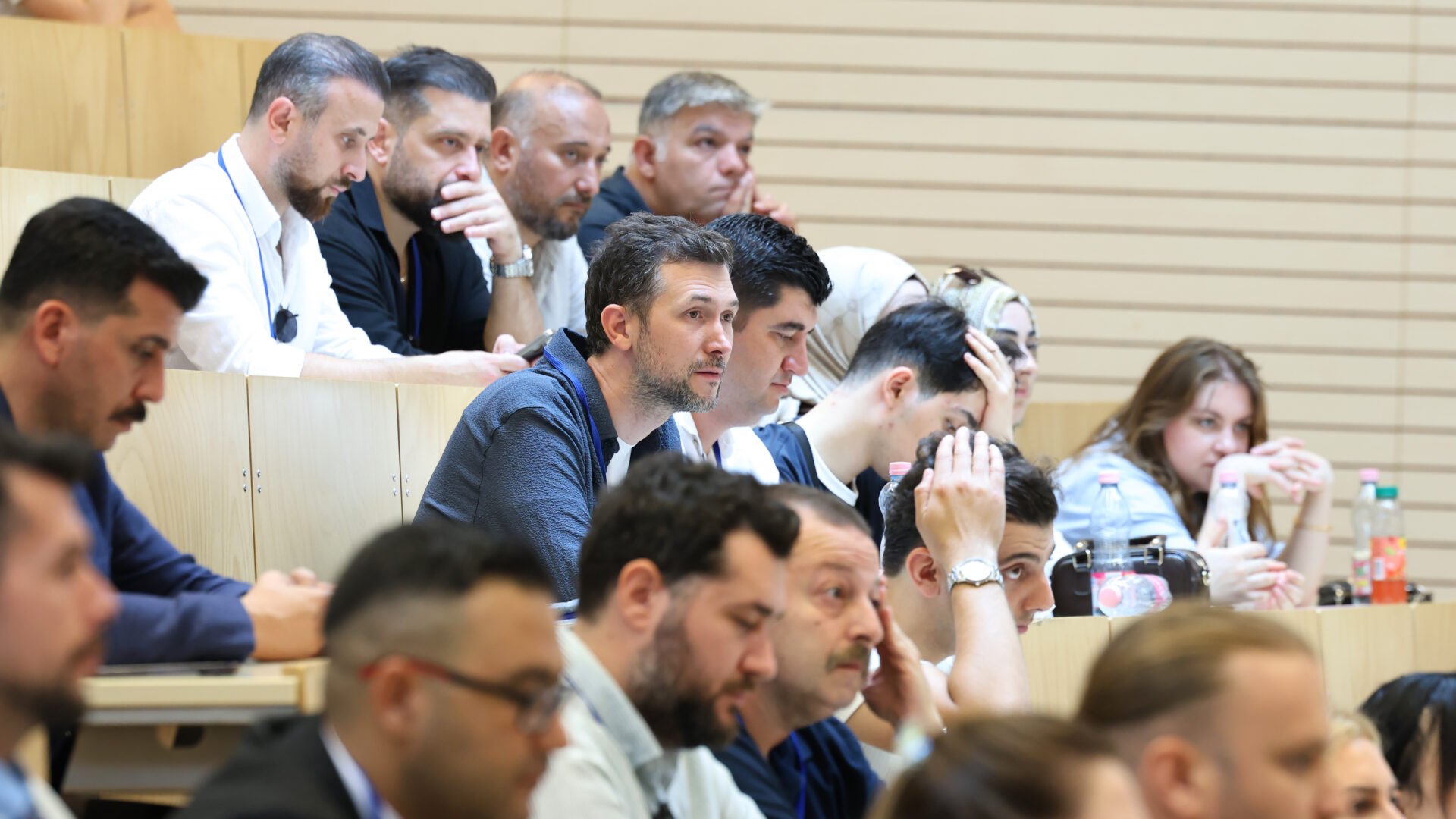
Academic progress relies heavily on the exchange of ideas across borders and disciplines. In early July, the Keleti Károly Faculty of Business and Management at Óbuda University in Hungary demonstrated its commitment to this principle by hosting two major scientific events: the 10th International Conference on Science and Technology (ICONST) and the 10th International Conference on Natural Science and Engineering Research (ICONSR). These anniversary conferences served as a vital meeting point for researchers from Hungary and around the globe, providing a structured environment to present findings, build professional networks, and forge long-term research partnerships.
For prospective students, current researchers, and academic professionals, understanding the dynamics of these international conferences highlights the value of studying and working at institutions that prioritize global academic engagement. Schedule a free consultation to learn more about research opportunities at Óbuda University.
Why Interdisciplinary Collaboration Matters in Modern Academia
Solving complex global challenges—such as sustainable development, public health crises, and technological integration—requires more than isolated expertise. Interdisciplinary collaboration brings together diverse methodologies and perspectives to create comprehensive solutions. Academic institutions that actively foster these environments prepare their students and faculty to think critically beyond the boundaries of a single discipline.
Bridging the Gap Between Technical and Human-Centric Fields
Historically, engineering sciences and social research operated in separate academic silos. Today, the most impactful innovations occur at their intersection. For example, developing new medical devices requires not only engineering prowess but also an understanding of patient behavior, healthcare economics, and social equity. By hosting conferences that address both technical and social dimensions, Óbuda University actively encourages researchers to step outside their traditional academic boundaries and engage with complementary fields.
Highlighting the 10th ICONST and ICONSR Anniversary Events
The decision to host the 10th anniversaries of ICONST and ICONSR simultaneously reflects a strategic approach to academic networking. Rather than isolating specific fields, the Keleti Károly Faculty created a comprehensive academic forum that attracted a wide spectrum of researchers. The primary mission of both conferences was to build bridges between diverse academic disciplines and facilitate meaningful cross-disciplinary dialogue.
ICONST: A Multidisciplinary Forum for Science and Technology
ICONST functioned as a broad multidisciplinary platform. The conference featured parallel sessions covering advances in engineering, recent discoveries in the natural and life sciences, and current developments in medical and sports sciences. This structure allowed attendees to move between sessions, exposing engineers to the latest biological research and medical professionals to cutting-edge technological applications. The diversity of topics presented at ICONST illustrates the multifaceted nature of modern science and technology research in Hungary.
ICONSR: Advancing Social Science Research
While ICONST focused heavily on the technical and natural sciences, ICONSR provided a necessary counterbalance by emphasizing social science research. This conference attracted sociologists, economists, and management experts who explored the human and societal impacts of global trends. By running ICONSR alongside ICONST, the organizers ensured that the human element of scientific progress was not overshadowed by technical achievements. Together, the two events represented a holistic view of modern research.
Submit your application today to join a leading research institution in Central Europe.
Keynote Speakers and Academic Leadership at Óbuda University
The credibility and academic weight of a conference are often determined by the quality of its speakers. The events at the Keleti Károly Faculty were officially opened by Prof. Dr. Mónika Garai-Fodor, the Dean of the Faculty. Her welcoming remarks set a collaborative and professional tone for the proceedings, emphasizing the faculty’s role as a hub for international academic discourse.
Following the opening ceremony, attendees benefited from three plenary lectures delivered by highly regarded international academics:
- Prof. Dr. Bart Muys: Provided insights into his specialized field, offering researchers a high-level perspective on current scientific challenges.
- Prof. Mohamed Bouaziz: Shared his research findings, contributing to the international dialogue that defines these anniversary conferences.
- Prof. Dr. György Molnár: Delivered a lecture that connected local Hungarian research initiatives with broader global scientific trends.
Plenary sessions play a crucial role in academic conferences. They synthesize vast amounts of information into digestible presentations, identify emerging trends, and pose critical questions that smaller thematic sessions can then explore in detail. The expertise of these speakers added significant value for all attendees, particularly for early-career researchers looking to align their work with established academic priorities.
Maximizing the Value of International Conferences for Researchers
Attending international conferences is a fundamental requirement for career advancement in academia, but the benefits extend far beyond simply adding a presentation to a curriculum vitae. The parallel thematic sessions held during the second half of the ICONST and ICONSR days provided a highly interactive environment for professional development.
Building Long-Term Research Partnerships
Conferences hosted by institutions like Óbuda University act as incubators for international research projects. When researchers from different countries and disciplines interact in person, they often identify overlapping interests that can lead to joint grant applications, co-authored publications, and institutional exchange programs. The structured networking opportunities at ICONST and ICONSR were specifically designed to support the development of these long-term partnerships.
Presenting Findings in Parallel Thematic Sessions
For researchers, presenting work in a thematic session offers immediate, peer-driven feedback. Unlike the lengthy peer-review process for journal publications, conference presentations allow for real-time questioning and debate. Researchers had the opportunity to present their individual work in greater detail, engage in direct professional discussions, and test their hypotheses against the scrutiny of an informed audience. This iterative process is essential for refining research methodologies and strengthening final publications.
Have questions about our programs? Write to us!
Study and Research Opportunities in Hungary
Hosting high-profile events like ICONST and ICONSR solidifies Hungary’s position as a competitive destination for higher education and research. Budapest, home to Óbuda University, offers a unique academic environment that combines a rich historical context with a forward-looking focus on technology and innovation.
For international students, choosing a university that actively hosts international conferences provides a distinct advantage. It means access to a steady stream of visiting scholars, exposure to the latest unpublished research, and the opportunity to participate in conference organization as part of their academic training. Óbuda University’s various faculties, particularly the Keleti Károly Faculty of Business and Management, integrate these global perspectives directly into their curricula, ensuring that students are not just learning about the world, but actively engaging with it.
Furthermore, the university’s extensive network of international partner institutions facilitates exchange programs that allow students to experience different academic cultures. Whether a student is interested in the hard aspects of engineering sciences or the nuanced analysis of social research, studying in Hungary at an institution with such a robust conference calendar ensures they remain connected to the global academic community.
Take the Next Step in Your Academic Career
The successful execution of the 10th ICONST and ICONSR conferences at the Keleti Károly Faculty demonstrates a clear institutional capacity for bringing together diverse scientific minds. The events successfully facilitated the exchange of knowledge between the realms of engineering, natural sciences, and social research, proving that the most significant academic advancements happen when disciplines intersect.
For researchers looking for a collaborative environment, and for students seeking a university that provides genuine international exposure, Óbuda University offers a proven track record. Engaging with an institution that regularly hosts such prestigious scientific events positions you at the forefront of global academic and professional networks.
Explore our related articles for further reading on academic events and study options in Hungary.