Advance Your Coaching Career with the International Coaching Course at Hungarian University of Sports Science
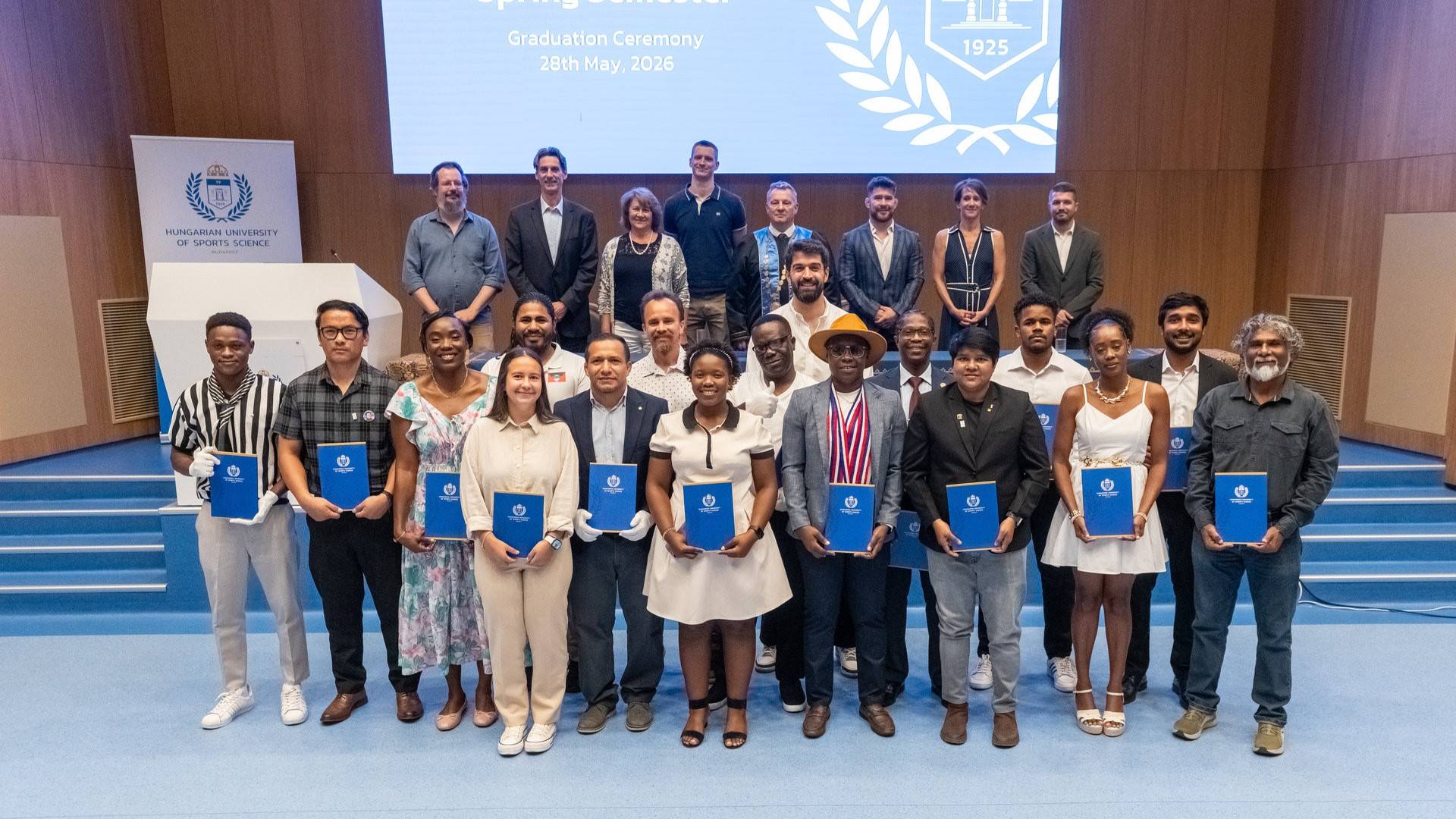
Seventeen international students recently received their diplomas from the Hungarian University of Sports Science (HUSS) after completing the rigorous International Coaching Course (ICC). Representing sixteen different countries and four distinct sports disciplines, these graduates spent two months immersed in an intensive educational environment designed to elevate their practical skills and theoretical knowledge. For aspiring coaches looking to establish a strong foundation in sports education, understanding the structure, benefits, and application process of this program provides a clear pathway to professional development.
How Olympic Solidarity Shapes Global Sports Education
The International Coaching Course at HUSS operates with the vital support of the Olympic Solidarity Programme. Olympic Solidarity represents the International Olympic Committee’s commitment to distributing revenue from the Olympic Games to assist National Olympic Committees (NOCs) around the world. One of its primary objectives is to advance sports education by providing coaches from developing nations with access to high-level training they might not otherwise receive.
By funding programs like the ICC, Olympic Solidarity ensures that knowledge transfer reaches a global scale. Coaches from nations such as the Maldives, Sri Lanka, Kenya, Grenada, and El Salvador are given the opportunity to study advanced methodologies and return to their home countries to implement them. This structural support does more than fund a trip to Europe; it builds local capacity within national sports federations. When a wrestling coach from Zambia or a basketball coach from Cape Verde returns home, they bring updated biomechanical understanding, modern periodization strategies, and refined tactical approaches that directly benefit their local athletes.
Schedule a free consultation to learn more about international sports programs.
Select the Hungarian University of Sports Science for Your Training
Choosing the right institution for advanced sports education is a critical decision for any coaching professional. Hungary has a long, documented history of success in Olympic sports, ranging from water polo to fencing and wrestling. The Hungarian University of Sports Science serves as the central hub for this athletic expertise, combining decades of empirical research with applied coaching methodologies.
Located in Budapest, HUSS provides students with access to specialized facilities, including advanced laboratory services for exercise science and biomechanics. The institution does not rely solely on legacy; it actively integrates modern technology and research into its coaching curricula. Students at HUSS learn from researchers and sports professionals who actively contribute to the global discourse on athletic performance. Furthermore, studying in Hungary offers a cost-effective alternative to Western European or North American institutions, without sacrificing the quality of education or the recognition of the diploma.
Explore our related articles for further reading on studying in Hungary.
Review the Structure of the International Coaching Course
The ICC is designed to be highly concentrated, taking place over a two-month period. This condensed format requires dedication and focuses heavily on an efficient transfer of knowledge. The program’s greatest strength lies in its balanced emphasis on both sports science foundations and practical, on-field approaches. Students do not simply sit in lecture halls; they engage in practical sessions, observational analysis, and peer-led coaching exercises.
The recent graduating class completed their studies across four specific areas of focus. Understanding these specializations helps prospective students align the program with their career goals.
Specializations in General Conditioning
Five of the recent graduates specialized in general conditioning. This track is critical for coaches who work across multiple sports or who are responsible for the physical preparation of athletes outside of specific skill work. The curriculum typically covers strength training, energy system development, injury prevention protocols, and mobility. Graduates in this specialization, such as those from Trinidad and Tobago, Bhutan, and Lesotho, return to their home countries equipped to design comprehensive physical preparation programs that reduce injury rates and increase athletic longevity.
Sport-Specific Training in Wrestling, Basketball, and Handball
The remaining twelve students focused on sport-specific modules: wrestling (five students), basketball (four students), and handball (three students). These modules dive deep into the tactical, technical, and physiological demands of each sport. For wrestling, the presence of distinguished guests from United World Wrestling (UWW), including Development Director Deqa Niamkey and Education Manager Zach Erret, highlights the direct alignment between the ICC curriculum and international federation standards. Basketball and handball students analyze game models, practice planning, and athlete management specific to court-based team sports.
Develop a Professional Network Across Borders
Technical knowledge represents only one component of the ICC experience. The program intentionally brings together coaches from vastly different cultural and sporting backgrounds. During the recent graduation ceremony, student speakers Kelsey Tanika Toussaint-Reid and Daniela Koleva noted that the cohort arrived as strangers but left as friends. This transition from isolated professionals to a connected network is a deliberate outcome of the program design.
Building a global contact base provides long-term professional benefits. A basketball coach from Liberia can share game footage with a conditioning specialist from North Macedonia. A handball coach from Bangladesh can consult with a wrestling coach from Sri Lanka on grassroots athlete development strategies. Additionally, interaction with high-level officials—such as the UWW representatives present at the graduation—provides students with direct lines of communication to international sporting bodies. HUSS actively fosters this ongoing relationship by inducting graduates into its Alumni community, encouraging them to return for support and continued education.
Apply for the International Coaching Course
Securing a place in the ICC requires proactive planning, as the program relies heavily on the nomination processes of National Olympic Committees. Aspiring coaches cannot simply apply directly to HUSS as independent students for this specific Olympic Solidarity-funded track. Instead, they must work through their local NOC or national sports federation.
To begin the process, coaches should express their interest in advanced education to their NOC’s leadership or coaching department. It is beneficial to prepare a professional portfolio that outlines current coaching roles, educational background, and a clear plan for how the acquired knowledge will be disseminated upon returning home. Olympic Solidarity scholarships prioritize applicants who demonstrate a capacity to multiply the impact of their training—meaning the goal is to teach other coaches in the home country, not just apply the knowledge to a single team.
Once nominated by the NOC, the application is forwarded to HUSS and the IOC for review. Applicants must ensure their passports are valid, meet the language proficiency requirements (the course is conducted in English), and are prepared for the intensive two-month commitment in Budapest.
Submit your application today to start your coaching journey.
Plan Your Career After Graduation
Graduating from the International Coaching Course at the Hungarian University of Sports Science is a significant credential, but it is the application of that credential that defines a coach’s career. As Dr. Csaba Ökrös, Vice-Rector for General Affairs at HUSS, emphasized during the recent ceremony, the knowledge and experience gained at the university are designed to benefit graduates throughout their professional careers.
Graduates typically pursue several distinct paths. Many return to their national federations to take on head coaching roles or assume directorship positions within their NOCs. Others use the diploma as a stepping stone to pursue higher-level degrees, such as a master’s degree or a PhD in sports science. The exposure to European coaching methodologies also opens doors to professional club coaching opportunities across the continent.
Top-performing students, such as Kelsey Tanika Toussaint-Reid and Jonah Camps who received special recognition at the recent ceremony, often find themselves fast-tracked into international development roles. Their demonstrated excellence signals to international federations and Olympic Solidarity that they are reliable partners for future coaching initiatives, clinics, and educational programs.
Investing in sports education at an institution with a proven track record provides measurable returns. The combination of Olympic Solidarity funding, a rigorous scientific curriculum, and a globally diverse cohort makes the International Coaching Course a practical and effective option for coaches committed to advancing their careers and the standards of their home sports systems.
Share your experiences with international sports education in the comments below.