
Óbuda University Advances Urban Sustainability in Japan Through the GreenQual Project
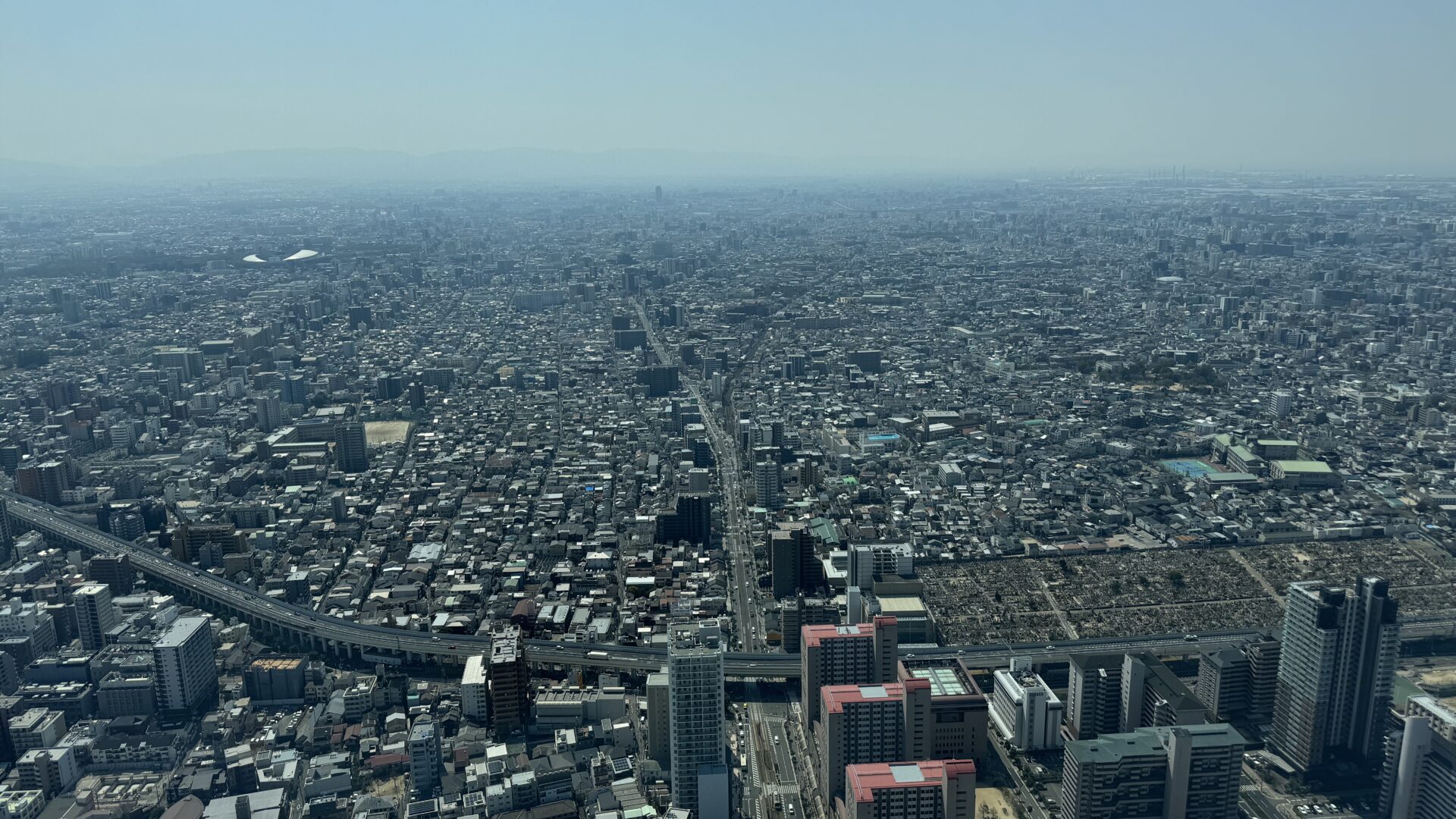
As global temperatures rise and urban populations expand, the need for climate-conscious city planning has never been more urgent. Dense metropolitan areas often struggle with the urban heat island effect, poor air quality, and inadequate green infrastructure. Addressing these complex challenges requires robust, data-driven international research. Recently, a dedicated research group from Óbuda University in Hungary traveled to Osaka, Japan, to participate in a high-level professional workshop and an intensive field measurement campaign. Their work centers on the GreenQual project, a vital initiative aimed at improving urban sustainability across different global contexts.
Advancing Urban Sustainability Through Global Collaboration
Modern environmental challenges do not respect national borders. Effective solutions demand cross-border cooperation and the sharing of diverse methodologies. Óbuda University has established itself as a significant player in this arena, consistently fostering international research partnerships that address pressing climate issues. The recent deployment of a specialized delegation to Japan exemplifies this commitment. By collaborating with leading institutions in Asia and Europe, the university ensures that its research outputs are both globally relevant and rigorously tested across varying climatic and urban conditions.
This collaborative approach allows researchers to pool resources, standardize data collection methods, and develop comprehensive frameworks that no single institution could achieve in isolation. For students and professionals looking to make a tangible impact in the field of environmental science, engaging with universities that prioritize such global networks is essential.
Explore our related articles for further reading on how academic institutions are addressing global climate challenges.
The GreenQual Project: Objectives and International Scope
At the heart of this recent international effort is the GreenQual project. Formally titled “GreenQual: Investigating the Role of Green Spaces in Enhancing Resilience to Climate Change and Improving Water, Soil, and Air Quality in Dense Urban Fabrics,” the initiative targets the specific environmental pressures found in heavily built environments.
The project operates through a robust consortium led by distinguished experts. Viktória Sugár (Dr. habil., PhD) serves as the European project leader from Óbuda University, working alongside Kita Michihiro, a Professor at Osaka University who leads the Japanese contingent. The partnership also includes Bálint Hartmann and Vera Iváncsics from F4ASTER, as well as Barbara Czesak and Renata Rózycka-Czas from the University of Agriculture in Kraków, Poland.
Jointly funded by the European Interest Group (EIG) Concert-Japan and the National Research, Development, and Innovation Office under grant agreement No. 2024-1.2.2-ERA_NET-2024-00006, the GreenQual project represents a significant investment in understanding how targeted urban greening can mitigate the adverse effects of climate change.
Key Outcomes from the Osaka Workshop
The professional program in Japan commenced with an international workshop hosted at the prestigious Osaka University Nakanoshima Center. Óbuda University was represented by a sizeable and highly qualified research delegation: Viktória Sugár, Zsuzsanna Fáczányi, István Kistelegdi, Attila Kerekes, Péter Kiss, Marcel Nánási, and Martin Kolman.
Harmonizing Data and Methodologies
One of the primary objectives of the workshop was to review the results achieved by the international partners to date. During interactive sessions, experts focused heavily on the technical integration of their respective findings. A major point of discussion was the harmonization of data and indicators. When multiple teams collect environmental data across different countries, ensuring that the metrics are directly comparable is a massive logistical and scientific challenge. The Osaka workshop provided the necessary forum to align these methodologies, paving the way for a unified, shared methodological framework for the optimal design of urban green spaces.
Pathways to Carbon Neutrality
During the workshop, the team from Óbuda University delivered an independent presentation detailing their specific research outputs. Their presentation focused strongly on urban resilience and the practical pathways cities can take toward achieving carbon neutrality. By sharing Hungary-specific data and modeling approaches alongside their Japanese counterparts, the Óbuda researchers helped refine the collective understanding of how different urban fabrics respond to greening interventions.
Schedule a free consultation to learn more about our research programs and how you can participate in future international studies.
Field Measurements and Microclimatic Analysis in Osaka
Theoretical frameworks must be validated by empirical data. Closely linked to the workshop, the research group—expanded to include Aurél Bernárd (Dr., DLA)—conducted an intensive measurement campaign at various locations across Osaka. The primary aim of this field investigation was to compare the microclimatic characteristics of different urban spatial typologies, with a particular emphasis on the effects of built density and the cooling impact of green spaces.
Selecting the Right Urban Typologies
To capture a comprehensive picture of urban microclimates, the researchers carefully selected three distinct sites for their measurements:
- An open urban space: Representing areas with minimal obstruction to wind flow and solar radiation, serving as a baseline for standard urban exposure.
- A densely built, narrow street: Representing the “urban canyon” effect, where tall buildings trap heat, restrict airflow, and significantly elevate local temperatures.
- A wider park area: Representing the intended mitigation strategy, where vegetation, shade, and evapotranspiration actively cool the surrounding environment.
By measuring these highly contrasting environments, the team could quantify exactly how much of a temperature differential exists between them and how rapidly microclimatic conditions change over short periods.
Ensuring Rigor in an International Setting
Conducting precise environmental measurements in a foreign country requires meticulous planning and reliable local support. The researchers recorded the short-term microclimatic dynamics of the environment through precise and repeated measurement cycles. Colleagues in Osaka provided critical logistical and professional support, which proved essential for adhering to the rigorous measurement protocols required in an international research setting. This level of coordination ensures that the data collected in Japan is scientifically sound and directly comparable to the data gathered in Hungary and Poland.
Share your experiences with urban microclimates and green infrastructure in the comments below.
Case Study in Action: Umekita Park
Theory and measurement were further contextualized through direct observation. As part of the professional programme, participants examined the example of Umekita Park in Osaka. This site served as a tangible, real-world demonstration of how theoretical concepts are applied on a large scale.
Umekita Park showcases an innovative model of successful collaboration between the private sector and urban green space management. In many cities, the burden of creating and maintaining green infrastructure falls solely on municipal governments, which often lack the necessary funding. The Umekita model demonstrates how public-private partnerships can yield high-quality, accessible urban parks that serve both the community and the local ecosystem. For the GreenQual researchers, observing this model provided valuable insights into the non-technical barriers to urban sustainability—such as funding, maintenance, and stakeholder engagement—that must be overcome to replicate such successes in European cities like Budapest.
The Future of International Research at Óbuda University
The data collected during the Osaka measurement campaign provide critical quantitative evidence supporting the temperature-mitigating role of urban green spaces. More importantly, the findings of this research contribute to the international validation of the measurement methodologies developed by the GreenQual consortium. When a research methodology proves effective in both Central European and East Asian contexts, it significantly increases its value and applicability for urban planners worldwide.
For Óbuda University, this successful workshop and measurement campaign solidify its reputation as a hub for impactful international research in Hungary. The university continues to build strategic partnerships that not only advance academic knowledge but also produce actionable insights for city planners, policymakers, and environmental engineers.
The GreenQual project will continue to analyze the cross-continental data sets, with the ultimate goal of publishing comprehensive guidelines for optimizing green space design in dense urban fabrics. As cities continue to grapple with the realities of climate change, the empirical data and collaborative frameworks forged by initiatives like this will be indispensable tools for building resilient, sustainable urban futures.
Submit your application today to join our research teams and contribute to impactful global sustainability projects.
Conclusion
The intersection of urban planning, environmental science, and international cooperation is where the most effective climate solutions are currently being forged. Óbuda University’s recent work in Osaka through the GreenQual project highlights the importance of stepping outside local boundaries to test hypotheses and share knowledge on a global stage. By standardizing data collection, analyzing diverse urban typologies, and learning from successful international models like Umekita Park, the university is actively contributing to the global push for urban sustainability. For aspiring researchers and professionals, following and engaging with these international initiatives offers a clear pathway to understanding the future of climate-resilient city design.
Have questions about the GreenQual project or our research initiatives? Write to us!