
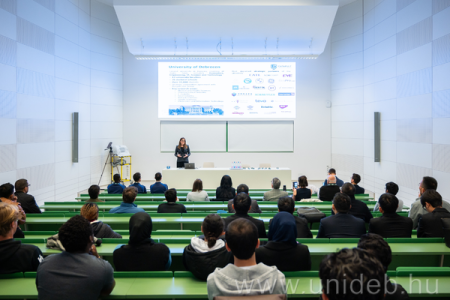
Overview of the Innovation Summit
The Faculty of Engineering at the University of Debrecen recently hosted a focused innovation forum that brought together software developers, manufacturing specialists, and academic researchers. The event, held in collaboration with Shanghai DianJi University under the One Belt, One Road Initiative, highlighted the latest advances in digital design and computer‑aided manufacturing (CAM). Participants explored how these technologies can accelerate industrial transformation in Hungary and beyond.
Key Themes Discussed at the Forum
Digital Design as a Catalyst for Manufacturing Efficiency
Digital design tools—ranging from advanced CAD suites to generative‑design algorithms—were showcased as pivotal in reducing prototyping time and material waste. The forum demonstrated how integrating these tools into production pipelines can lower costs while maintaining high precision.
Industry‑University Partnerships
One of the forum’s central messages was the importance of sustained collaboration between academia and industry. Dean Géza Husi emphasized that 25‑30 technical ideas emerged during the event, many of which could be developed jointly with Shanghai DianJi University. These partnerships can create pathways for students to engage in real‑world projects and for companies to tap into fresh research.
Local Economic Impact and Talent Development
Deputy Mayor Lajos Barcsa highlighted the goal of retaining local talent. By aligning university curricula with the needs of Debrecen’s manufacturing sector, graduates can secure employment within the city, strengthening the regional economy.
Collaboration Opportunities for Stakeholders
Participants were invited to explore several avenues for partnership:
- Research Projects: Joint PhD and master’s research initiatives that focus on CAM and digital fabrication.
- Technology Transfer: The UD Catapult Nonprofit Kft. model demonstrates how university‑led companies can commercialise research outcomes.
- Industry‑Led Workshops: Hands‑on sessions where software developers present the latest tools to engineering students.
Impact on Hungary’s Industrial Landscape
By fostering a culture of innovation, the University of Debrecen is positioning Hungary as a competitive player in the global manufacturing arena. The integration of digital design into production processes can help local firms meet the demands of Industry 4.0, including smart factories, predictive maintenance, and supply‑chain optimisation.
How to Get Involved
Students, researchers, and industry professionals interested in contributing to this momentum can take several steps:
- Apply for the university’s engineering programmes that emphasize digital design and manufacturing.
- Attend upcoming workshops and seminars hosted by the Faculty of Engineering.
- Reach out to the university’s technology‑transfer office to discuss potential collaborations.
For those looking to deepen their understanding of digital design trends, the university’s library hosts a curated collection of recent publications and case studies.
Conclusion and Next Steps
The Innovation Summit underscored the University of Debrecen’s commitment to bridging academic research and industrial practice. By continuing to nurture partnerships, the university can drive sustainable growth for Hungary’s manufacturing sector.
Ready to explore how digital design can transform your projects? Submit your application today and join a community that is shaping the future of industrial solutions.
Have questions about the programmes or partnership opportunities? Write to us!
Share your experiences in the comments below or explore our related articles for further reading.