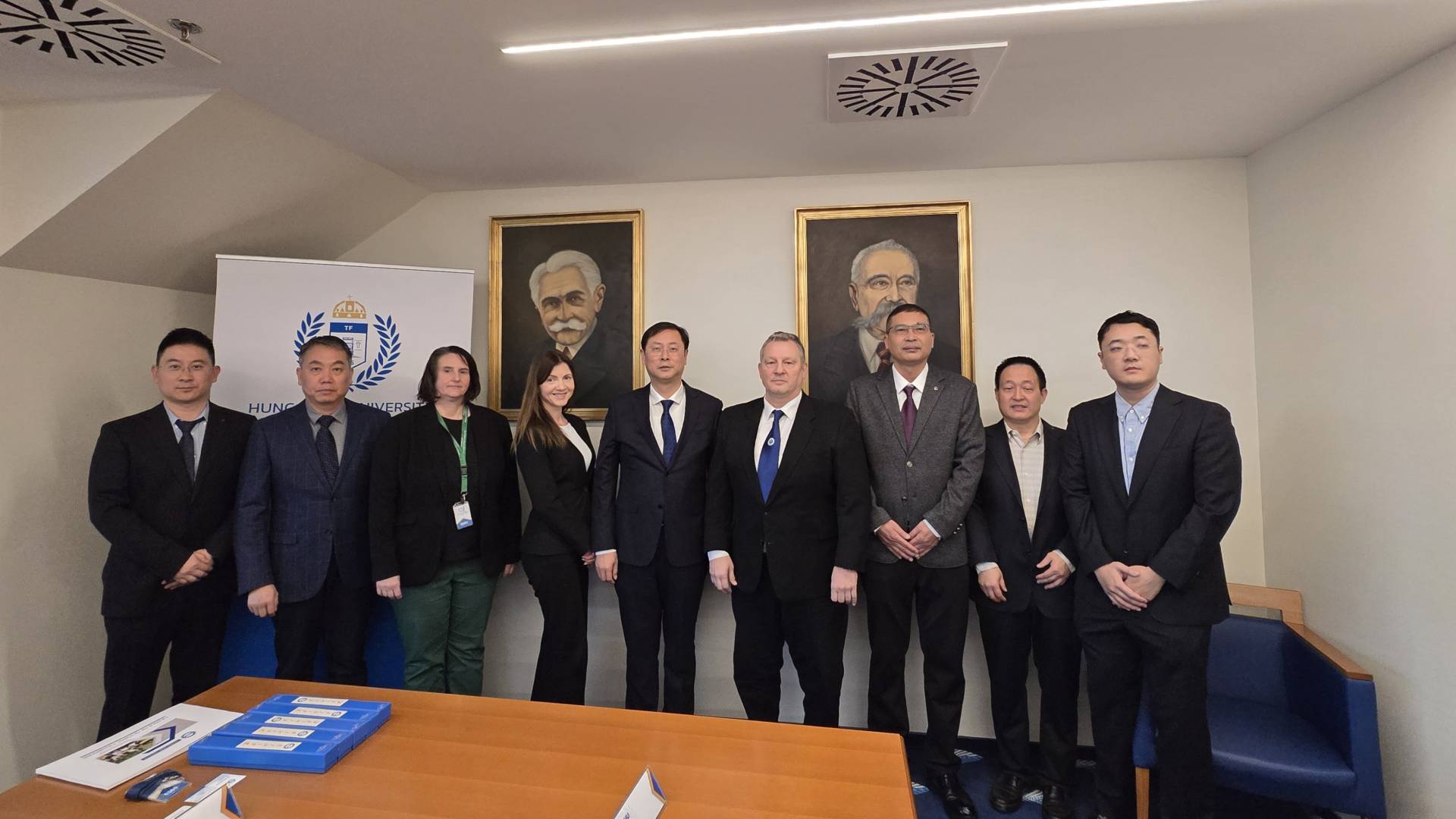
The recent visit of the Chinese Nanjing Sport Institute to the Hungarian University of Sports Science (HUSS) marks a significant step toward deepening international cooperation in sports education. The delegation, led by Wu Bingcheng, met with Vice‑Rector Dr. Csaba Ökrös on 5 December to discuss potential joint programs, research collaborations, and student exchanges. This engagement reflects a growing trend of cross‑border partnerships that benefit both institutions and their students.
HUSS and Nanjing Sport Institute: A Brief Overview
HUSS, located in Budapest, is a leading institution in Hungary for sports science, coaching, and sports management. With a strong emphasis on research and practical training, the university offers undergraduate, graduate, and doctoral programs that attract students from across Europe and beyond.
Founded in 1956, the Nanjing Sport Institute (NSI) is one of China’s oldest and most respected sports universities. It enrolls around 7,000 students and has produced 18 Olympic medalists and more than 120 world champions in disciplines such as fencing, swimming, gymnastics, artistic swimming, tennis, table tennis, and badminton. NSI’s curriculum blends elite athlete training with academic study in sports science, physical education, sports health, training methodology, and sports management.
Shared Vision: Integrating Elite Sport and Academic Excellence
Both HUSS and NSI prioritize a balanced approach that merges elite sport performance with rigorous academic research. This alignment creates a natural foundation for collaboration. While HUSS has a long history of producing world‑class coaches and sports scientists, NSI’s track record in athlete development offers complementary expertise. Together, they can design programs that cater to athletes who wish to pursue higher education without compromising training schedules.
Potential Joint Programs
One of the key outcomes of the meeting was the proposal to develop joint Bachelor’s and Master’s courses taught in English. NSI’s interest in launching a doctoral school aligns with HUSS’s experience in establishing doctoral training pathways. By sharing faculty, research facilities, and curriculum frameworks, both universities can offer students a broader range of specializations and a more international learning environment.
Research Collaboration Opportunities
HUSS’s Research Center for Molecular Exercise Science and NSI’s research labs can collaborate on studies that address global sports challenges—such as injury prevention, performance optimization, and sports nutrition. Joint publications and conference presentations would raise the profile of both institutions and attract additional funding from international bodies.
Benefits for Students and Researchers
Students stand to gain from exposure to diverse training methodologies and academic perspectives. For example, HUSS students could attend NSI’s intensive coaching clinics, while NSI students could participate in HUSS’s International Coaching Course (ICC), supported by the Olympic Solidarity program of the International Olympic Committee.
Researchers can benefit from shared data sets, access to advanced equipment, and cross‑cultural insights. Collaborative projects could lead to grants from European Union sports research programs and Chinese national science foundations.
To take advantage of these opportunities, prospective students should consider applying to HUSS’s international programs. Submit your application today and explore how a dual‑institution experience can enhance your career prospects.
Future Collaboration Plans
Beyond academic programs, the delegation discussed the possibility of a dedicated coaching course in Hungarian sports success models. This course would focus on the strategies that have made Hungarian athletes competitive on the world stage, offering NSI students a unique learning experience.
Additionally, both universities plan to establish a student exchange program that allows participants to spend a semester in each country. This initiative will foster cultural understanding and professional networking across continents.
For those interested in learning more about the partnership and how it could impact your educational journey, schedule a free consultation with the International Relations Center at HUSS.
How to Get Involved
Prospective students, coaches, and researchers can engage with the partnership through several channels:
- Academic Programs: Review the course catalog on the HUSS website and identify programs offered in English that align with your interests.
- Research Projects: Contact the Research Center for Molecular Exercise Science to inquire about ongoing projects and collaboration opportunities.
- Student Exchanges: Visit the International Studies Office to learn about exchange agreements and application procedures.
- Coaching Courses: Enroll in the International Coaching Course (ICC) to gain certification recognized by the International Olympic Committee.
These pathways provide structured ways to participate in a partnership that bridges European and Asian sports education.
Conclusion
The visit of the Nanjing Sport Institute to HUSS underscores a shared commitment to advancing sports education through international cooperation. By combining HUSS’s academic strengths with NSI’s elite athlete training, the partnership promises to create innovative programs, robust research, and enriched learning experiences for students worldwide.
To stay informed about upcoming events, program updates, and partnership developments, explore our related articles for further insight. Your next step toward a global sports career starts here.